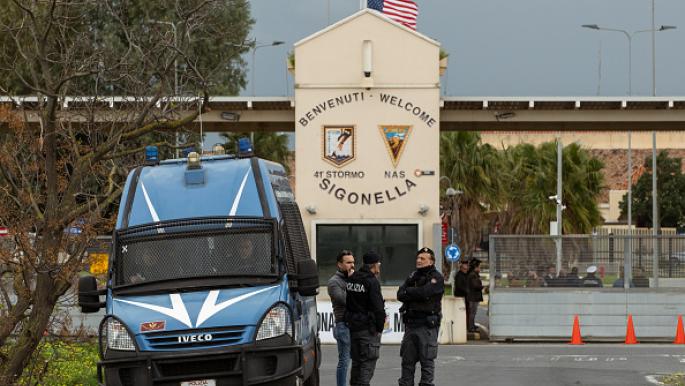
The Italian government has announced its refusal to allow several US planes to land at the Sigonella airbase in Sicily, as part of plans for potential strikes on Iran. This decision comes at a time when the world is witnessing an escalation in tensions between the United States and Iran, raising questions about the impact on regional and international security.
The Sigonella base is considered one of the largest US military bases in Europe and plays a vital role in US military operations in the Mediterranean region. However, Italy's stance reflects its desire to maintain independence in military decision-making and avoid getting dragged into conflicts that could affect its national security.
Details of the Event
Italy's refusal to allow the landing of US planes comes at a sensitive time, as threats from Iran have increased following the US withdrawal from the nuclear agreement. Reports have indicated that the United States plans to use the Sigonella base as a launch pad for military operations against Iran, which has raised concerns within the Italian government.
Italian officials confirmed that the decision was made after consultations with other NATO allies, emphasizing the need to respect national sovereignty. They also pointed out that Italy seeks to maintain stability in the region and avoid any military escalation that could worsen the situation.
Background & Context
Historically, Italy has been part of Western military alliances, but it has also been cautious about engaging in military conflicts. In recent years, Italy has undergone shifts in its foreign policy, striving to balance its commitments as a NATO member with its national needs.
The Italian decision comes at a critical time, as tensions in the Middle East have increased, particularly following the escalation of Iranian military activities, prompting many countries to reassess their positions. Italy, considered an influential country within the European Union, aims for a larger role in promoting diplomacy and resolving conflicts through peaceful means.
Impact & Consequences
Italy's refusal to allow US planes to land may affect relations between Rome and Washington, as the United States might view this decision as a retreat from military commitments. On the other hand, this decision could bolster Italy's position on the international stage as a supporter of peace and stability.
This decision may also open the door for other countries in the region to reassess their positions towards the United States, especially amid increasing military pressures. Italy's stance could have implications for other NATO allies, potentially leading to changes in their military strategies.
Regional Significance
This decision has significant implications for the Arab region, reflecting growing concerns over military escalation in the Middle East. Arab countries facing tensions with Iran may see this decision as an opportunity to enhance diplomacy instead of military escalation.
Moreover, Italy, through this decision, may contribute to strengthening peace efforts in the region, potentially opening avenues for broader dialogue between Arab countries and Iran. Under current circumstances, any step towards de-escalation is considered positive.
In conclusion, Italy's position serves as a testament to the importance of national sovereignty in military decision-making, reflecting the desire of European countries to avoid getting entangled in conflicts that could affect their stability and security.