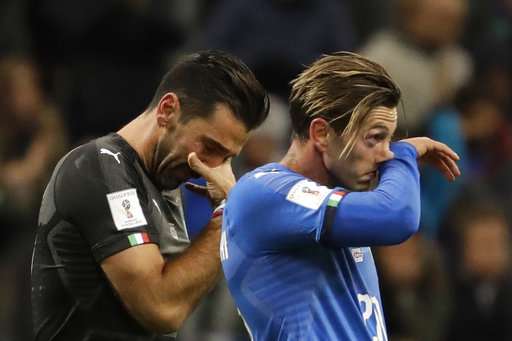
Italy woke up on Wednesday angry and frustrated after failing to qualify for the World Cup for the third consecutive time, following their defeat in a qualifying match against Bosnia on penalties. This result adds a new chapter of gloom to the history of Italian football, which was once considered a powerhouse in the game.
After the match ended in a 1-1 draw, the Italian team lost 4-1 on penalties, sparking shock among fans. Many supporters expressed their disappointment, with one describing the situation as "painful," while another questioned the future of football in the country.
Details of the Event
This loss is another blow to Italian football, which has not qualified for the World Cup since 2014. In that tournament, Bosnia made its debut, while Italy now seems to be suffering from a real crisis in developing young players.
It is noteworthy that Italy has faced consecutive defeats in the qualifiers, having previously lost to Sweden and North Macedonia. These results reflect a state of instability within the team, with many analysts criticizing the players' performance and the coach's tactics.
Background & Context
The history of Italian football is filled with successes, as the country has won the World Cup four times, the last being in 2006. However, since then, Italy has seen a noticeable decline in its performance on the international stage. This decline cannot be separated from structural issues in the player development system, as many question the effectiveness of academies and youth programs.
This crisis serves as a wake-up call for the Italian Football Federation, which needs to reassess its strategies for talent development. With increasing competition from other countries, Italy must find new ways to regain its status in the world of football.
Impact & Consequences
The impact of this loss will not be limited to Italian football alone; it will also affect fans and sponsoring companies. With Italy absent from the World Cup, many companies will miss the opportunity to promote their products during the most important sporting event globally.
Moreover, this loss may affect the morale of players and fans, potentially leading to a decline in financial and media support for local tournaments. It is crucial for the Italian Federation to address this crisis seriously and work on rebuilding trust between fans and players.
Regional Significance
Although Italy is not an Arab country, football remains one of the most popular sports in the Arab world. This loss for Italy may reflect the challenges faced by some Arab countries in developing football, as many countries strive to improve their performance on the international stage.
Furthermore, Italy's failure may open the door for other teams in the tournament, increasing the enthusiasm of Arab fans to follow teams that may achieve greater successes. Football is not just a game; it is a means of communication and expression of cultural identity.
In conclusion, these events reflect the necessity of rethinking football development strategies in Italy, as well as in other countries seeking success on the international stage.