The recent defeat of the Italian national team in the World Cup qualifying matches, particularly against Bosnia, has sparked widespread debate across the country. The Azzurri have missed out on the global tournament for the third consecutive time, prompting both coach Gennaro Gattuso and the president of the Italian Football Federation, Gabriele Gravina, to resign.
In a press conference before his team's match against Juventus, Genoa head coach Daniele De Rossi noted that discussions about rebuilding Italian football have become a topic of conversation for everyone, from former players to chefs and shopkeepers. He expressed more concern for his team than for the future of the national squad.
Details of the Event
These events follow a series of disappointing results, with the Italian team suffering a harsh defeat against Norway at the start of the qualifiers, which led to the dismissal of former coach Luciano Spalletti. Commenting on the situation, Spalletti expressed his sadness over what had transpired, emphasizing the importance of deeply considering how to rebuild the team.
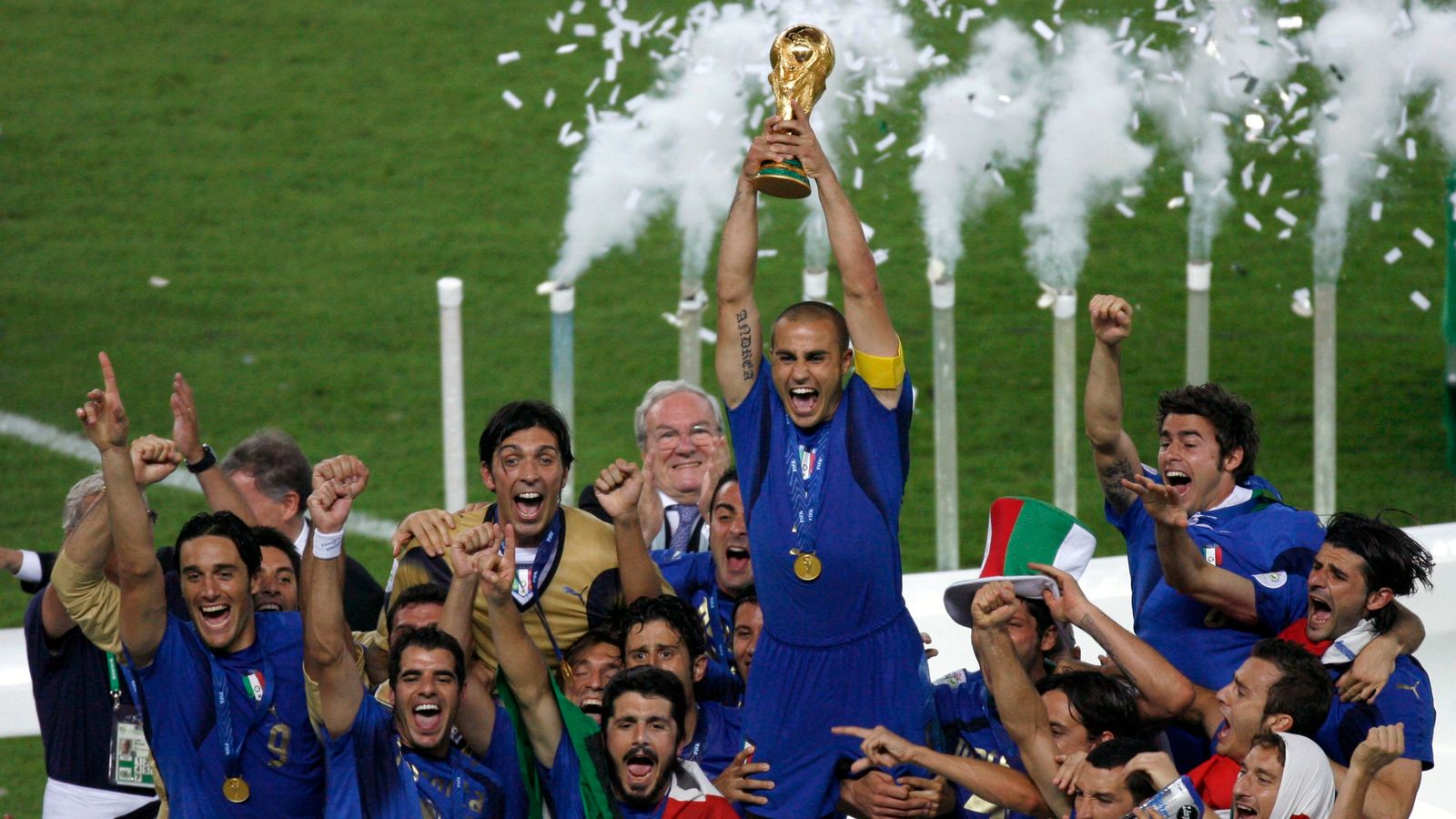
He also pointed out that Italy is still capable of producing high-level players, like those who contributed to the 2006 World Cup victory, stressing the need to capitalize on available talents.
Background & Context
The history of Italian football is filled with achievements, as the national team has won the World Cup four times. However, the failure to qualify for the global tournament in recent years reflects a deep crisis within the Italian football system. Recent years have seen significant changes in the structure of the Italian league, affecting the level of competition.
Many experts believe that the problem lies not only in the choice of coach but also in the need for a comprehensive restructuring of Italian football, including the development of young players and the enhancement of academies.
Impact & Consequences
The repercussions of this failure extend beyond football, reflecting a sense of general frustration within Italian society. The discussion about the future of Italian football has become a hot topic in all circles, highlighting the need for a new vision to rebuild the national team.
Many believe that any new coach will face significant challenges, and that quick fixes will not suffice. There are also calls for a radical change in the management of football in the country, including strengthening cooperation between clubs and the federation.
Regional Significance
Football in Italy serves as a model for many Arab countries, where many aspire to develop the game in their own nations. Italy's failure could serve as a lesson for Arab countries about the importance of strategic planning and investment in young talents.
This situation could also lead to enhanced cooperation between Italian clubs and Arab clubs, contributing to the exchange of experiences and player development.
In conclusion, the future of Italian football remains uncertain, requiring collective efforts to rebuild trust and achieve success in the future.