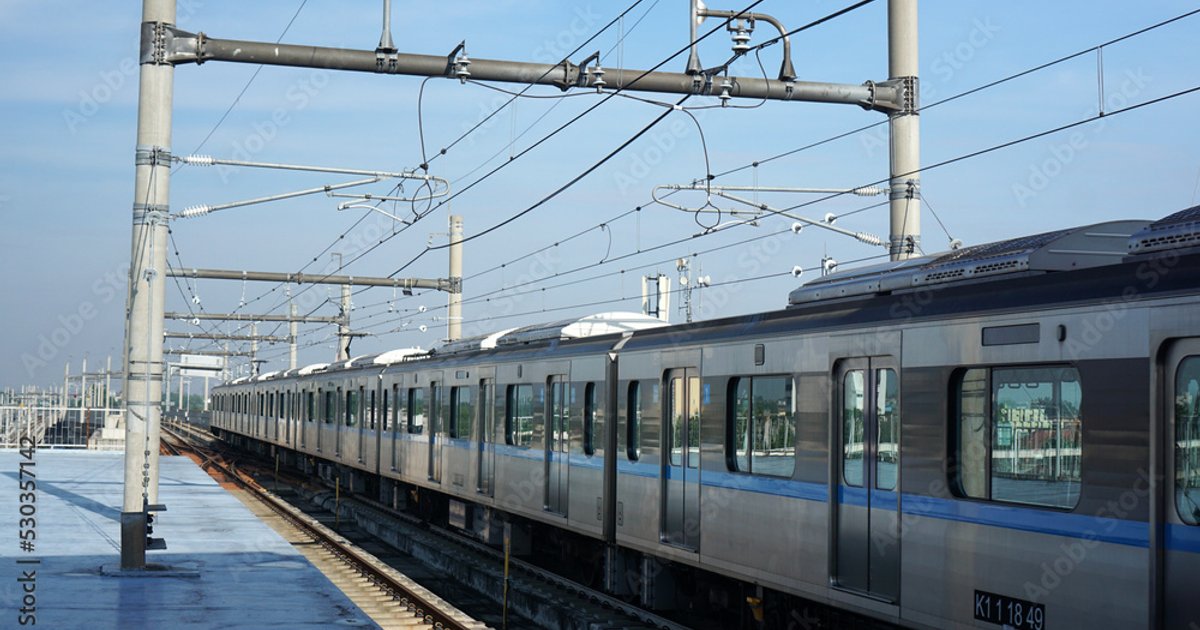
MRT Jakarta (Perseroda) has announced a new collaboration with the World Resources Institute (WRI) in Indonesia, aimed at enhancing efforts to measure and reduce emissions in the transportation sector. The cooperation agreement was signed at an event held in the Dharmawangsa area of Jakarta, where the company's director general, Tohiyat, emphasized that this step reflects MRT Jakarta's commitment to supporting environmental sustainability in the capital.
This partnership focuses on developing accurate methodologies for measuring transportation emissions, including conducting surveys on transportation transitions and assessing carbon footprints. Tohiyat explained that the anticipated results from this collaboration will contribute to achieving MRT Jakarta's sustainability plan goals for the period from 2022 to 2030, and enhance transparency and credibility in emissions measurement.
Event Details
This partnership will last for one year and will work to enhance the verification and registration process for emissions reductions through the national registration system for combating climate change. This initiative will also open new horizons for developing the carbon economy, reflecting the importance of public transport in reducing emissions.
In this context, the director general of the World Resources Institute in Indonesia, Arif Wijaya, stressed the importance of using data to enhance the role of public transport in addressing climate change. He noted that approximately 54% of greenhouse gas emissions in Jakarta come from the transportation sector, highlighting the urgent need to develop public transport as a primary solution.
Background & Context
Jakarta is considered one of the most congested cities in the world, facing significant challenges in transportation and environmental issues. In recent years, the Indonesian government has increased its efforts to reduce carbon emissions, launching several initiatives to promote the use of public transport. This partnership is part of a comprehensive strategy aimed at improving air quality and reducing traffic congestion.
This strategy also includes the use of renewable energy in operating public transport, reflecting Indonesia's commitment to facing environmental challenges. Studies have shown that improving public transport can significantly contribute to reducing carbon emissions.
Impact & Consequences
This initiative is expected to contribute to improving air quality in Jakarta, which will have a positive impact on the health of the population. It will also help raise awareness about the importance of sustainable transport and provide a cleaner environment. Additionally, using accurate methodologies for measuring emissions will enable the government to make informed decisions regarding environmental policies.
This step is also a model that can be emulated in other countries facing similar transportation and environmental issues. Collaboration between the public and private sectors in this area can achieve tangible results in mitigating climate change.
Regional Significance
Many Arab cities face similar challenges in transportation and the environment, suffering from high levels of pollution and congestion. Jakarta's experience can serve as an inspiration for Arab countries to develop effective strategies for sustainable transport. By enhancing public transport and utilizing renewable energy, Arab cities can improve the quality of life for their citizens.
In conclusion, this initiative represents an important step towards achieving sustainability goals in Jakarta and may open new avenues for international cooperation in the fields of environment and transport.