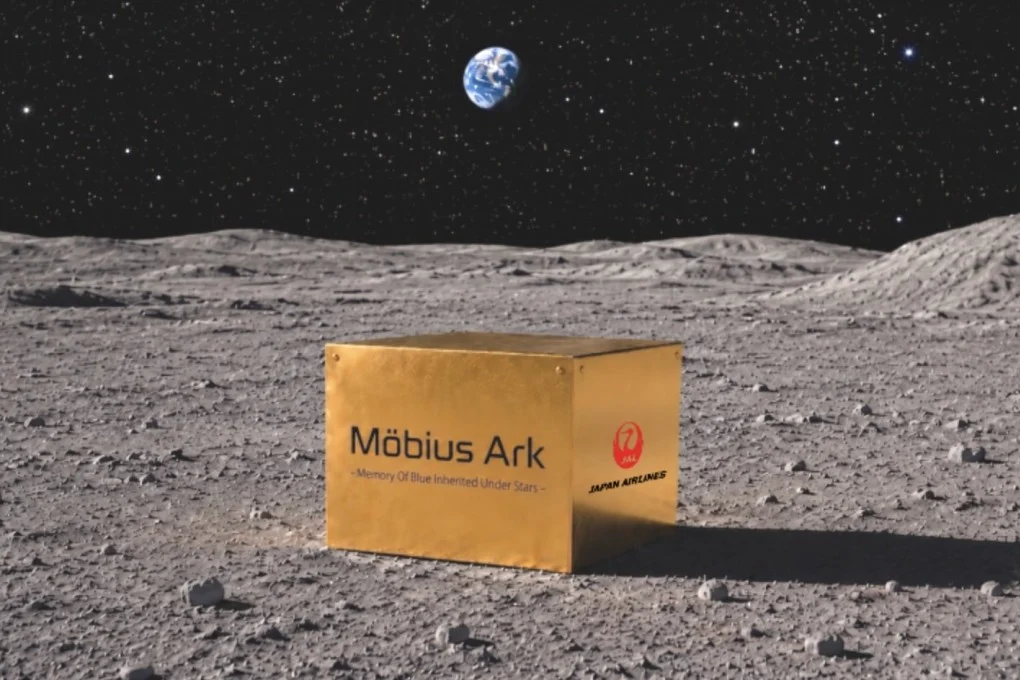
Japan Airlines has announced a strategic partnership with the emerging space company ispace, marking a significant step towards exploring new horizons beyond traditional aviation. The new project aims to transport elements of human cultural heritage to the moon, reflecting Japan's ambitions to expand its presence in space.
The plan involves using a landing vehicle to transport these precious elements, which represent a part of human culture, to the lunar surface. This initiative comes at a time when concerns are growing about the impact of climate change, natural disasters, and conflicts on cultural heritage on Earth.
Event Details
This partnership is considered a pioneering step in the field of space, as Japan Airlines seeks to diversify its activities and explore new opportunities in the space sector. The first transportation operations are expected to take place in the coming years, providing people with the chance to preserve a part of their cultural history away from the dangers threatening Earth.
The company also aims to enhance collaboration with cultural and artistic institutions to gather the elements that will be transported, reflecting the importance of cultural heritage in human identity. Additionally, the project aims to raise awareness about the significance of preserving culture amid current global challenges.
Background & Context
Historically, Japan has been a leading country in technology and innovation, and in recent years there has been an increasing interest in space exploration. In 2020, Japan launched the Hayabusa2 mission to collect samples from asteroids, demonstrating the country's commitment to expanding the boundaries of human knowledge in space.
There is also a growing global interest in space exploration, with many countries aiming to send missions to the moon and Mars. This trend reflects humanity's desire to explore space and utilize its resources, opening new avenues for international cooperation in this field.
Impact & Consequences
This project could have a significant impact on how we understand cultural heritage and its importance. If Japan Airlines succeeds in transporting elements of cultural heritage to the moon, this step could pave the way for similar projects in the future, enhancing the significance of space as a destination for preserving culture.
Moreover, this project may encourage other countries to consider how to protect their cultural heritage amid climate changes and conflicts. This could lead to enhanced international cooperation in the fields of space and culture, contributing to building a better future for humanity.
Regional Significance
Looking at the Arab region, this project could have positive effects on how Arab countries deal with their cultural heritage. Such initiatives may encourage Arab nations to think about how to protect their cultural heritage from various threats, whether natural or human-made.
It could also open the door for cooperation between Arab countries and Japan in the fields of space and culture, enhancing opportunities for innovation and development in the region.
In conclusion, Japan Airlines' project to transport cultural heritage to the moon represents a bold step towards the future, embodying human ambition to preserve culture amid global challenges. With increasing interest in space, this project may mark the beginning of a new era of cultural exploration.