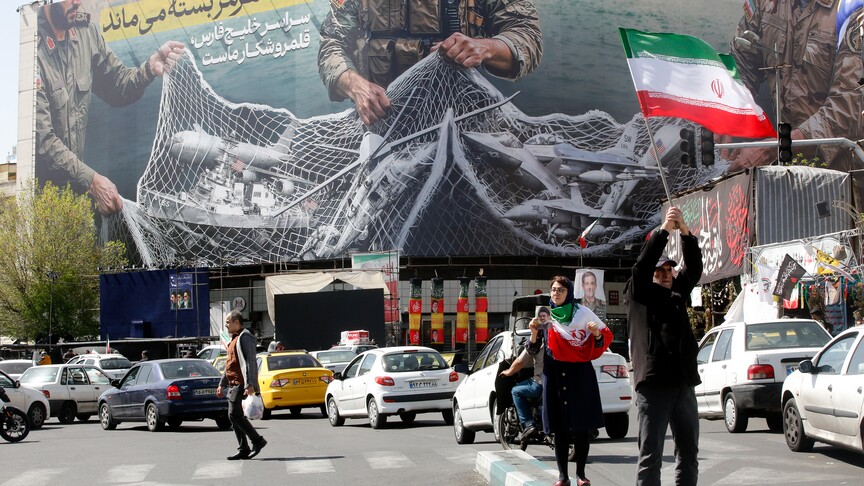
Japanese Interior Minister Sanae Takahashi has called on the Iranian government to take swift action to ensure a safe passage through the Strait of Hormuz. This appeal arises amid escalating tensions in the region, raising concerns about maritime safety.
This initiative is part of Japan's efforts to maintain regional stability and ensure the safety of oil shipments. The Strait of Hormuz is a vital point through which a significant percentage of the world's oil passes, and any disruption in maritime traffic could greatly affect the global economy.
Details of the Event
Reports indicate that Takahashi expressed her concerns regarding the current situation in the region, where threats from armed groups are increasing. She urged Iran to take rapid steps to ensure the safety of maritime routes, which is crucial for the Japanese economy that heavily relies on energy imports.
These statements come at a time when relations between Tehran and Tokyo are experiencing some strain, yet Japan is keen to maintain dialogue channels with Iran. Takahashi emphasized the importance of international cooperation in addressing security challenges in the region.
Background & Context
The Strait of Hormuz is considered one of the most important maritime passages in the world, with approximately 20% of the total global oil passing through it. Historically, the strait has witnessed numerous conflicts and tensions, especially amid regional disputes between Iran and other countries in the area. This has led to an increased military presence in the region by countries such as the United States.
In recent years, tensions between Iran and the United States have escalated, impacting regional stability. Additionally, conflicts between Iran and certain Arab nations have exacerbated the situation, making calls for securing maritime routes more critical than ever.
Impact & Consequences
Takahashi's call may stimulate more countries to engage in efforts to secure the Strait of Hormuz, potentially contributing to reducing tensions in the region. However, any military movements could escalate the situation, increasing risks to maritime traffic.
This appeal also serves as an indicator of the importance of international cooperation in addressing security challenges. The stability of the region heavily relies on the ability of nations to work together to ensure the safety of maritime routes.
Regional Significance
The situation in the Strait of Hormuz directly affects Arab countries, particularly those that rely on oil exports. Any disruption in maritime traffic could lead to rising oil prices, impacting the Arab economy as a whole.
Moreover, regional stability is vital for the national security of Arab nations, as any escalation could lead to undesirable repercussions. Therefore, calls for securing maritime routes are seen as a positive step towards achieving stability in the region.
In conclusion, Japan's call for a safe passage through the Strait of Hormuz reflects the importance of international cooperation in addressing security challenges. As tensions in the region persist, there remains hope that these appeals will contribute to achieving stability and peace.