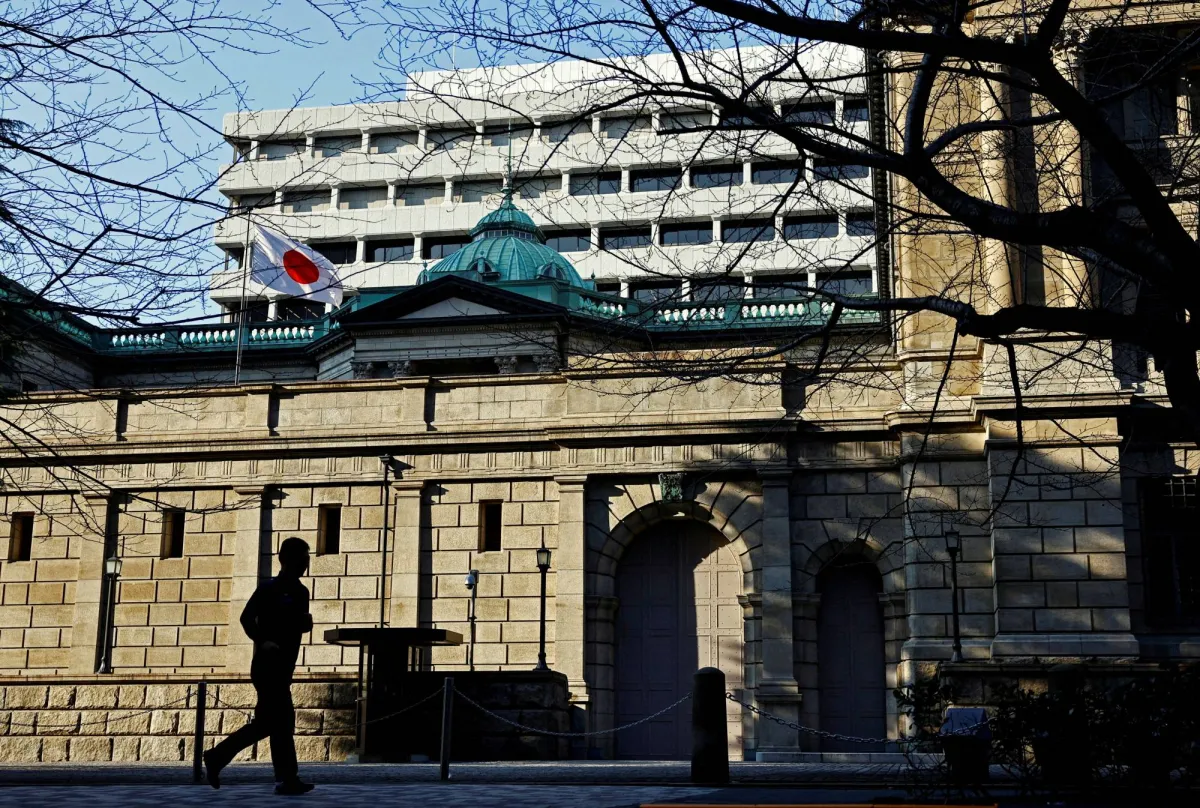
A senior official at the Bank of Japan, Koji Nakamura, the executive director of monetary policy, stated that the bank will continue to raise interest rates if its economic forecasts are realized. This announcement comes at a time when economic pressures are mounting due to rising fuel costs associated with the Iranian war, reflecting the bank's shift towards tightening monetary policy.
During a session before parliament, Nakamura noted that rising oil prices could pose risks to economic growth, but they could also lead to an increase in core inflation by raising long-term inflation expectations. He emphasized that the pressures from rising oil prices on inflation could be greater than before, as companies have become more cautious about raising prices and wages.
Details of the Announcement
Nakamura stated, "If our economic forecasts and price expectations are met, we are likely to continue raising interest rates," indicating that the degree and timing of future increases will depend on economic conditions, prices, and financial circumstances. He clarified that the bank will make appropriate decisions at each monetary policy meeting based on available data.
Nakamura's remarks reflect the Bank of Japan's readiness to proceed with moderate interest rate hikes, despite new pressures from abroad. High fuel costs and rising import prices due to a weakened yen are exacerbating local inflation, complicating the central bank's task of achieving balance.
Context and Background
These statements come at a time when the Japanese economy is experiencing increasing pressures due to the Iranian war, with business sentiment deteriorating significantly in March, as companies express concerns over rising fuel costs. According to a survey conducted by the private research center Teikoku Databank, sentiment declined across all ten sectors included in the survey for the first time since September 2023.
The yen has also fallen by more than 2% against the dollar since the onset of the war, increasing pressures on the Japanese economy. One fertilizer manufacturer indicated that rising crude oil prices have led to increased production costs at a time when the flow of goods is slowing.
Implications and Effects
While officials from the Bank of Japan warn that the war may fuel inflation, some analysts believe that shortages of chemical products such as naphtha could pose a greater threat to the Japanese economy. The central bank is expected to release a quarterly regional report on Monday, highlighting how it assesses these competing risks.
The Bank of Japan ended a massive economic stimulus program that lasted for a decade in 2024 and has raised interest rates several times, including in December, when the short-term interest rate reached its highest level in 30 years at 0.75%. Governor Kazuo Ueda clarified that the door remains open for further interest rate hikes, as long as moderate economic recovery keeps inflation on track to achieve the bank's 2% target sustainably.
Impact on the Arab Region
The Arab region is significantly affected by the repercussions of rising oil prices, as many countries rely on energy imports. Increased fuel costs may heighten economic pressures on energy-importing countries, necessitating urgent measures to protect consumers and secure supplies.
In light of these circumstances, Arab governments must monitor economic developments in Japan and their impact on global markets, especially amid ongoing geopolitical tensions.