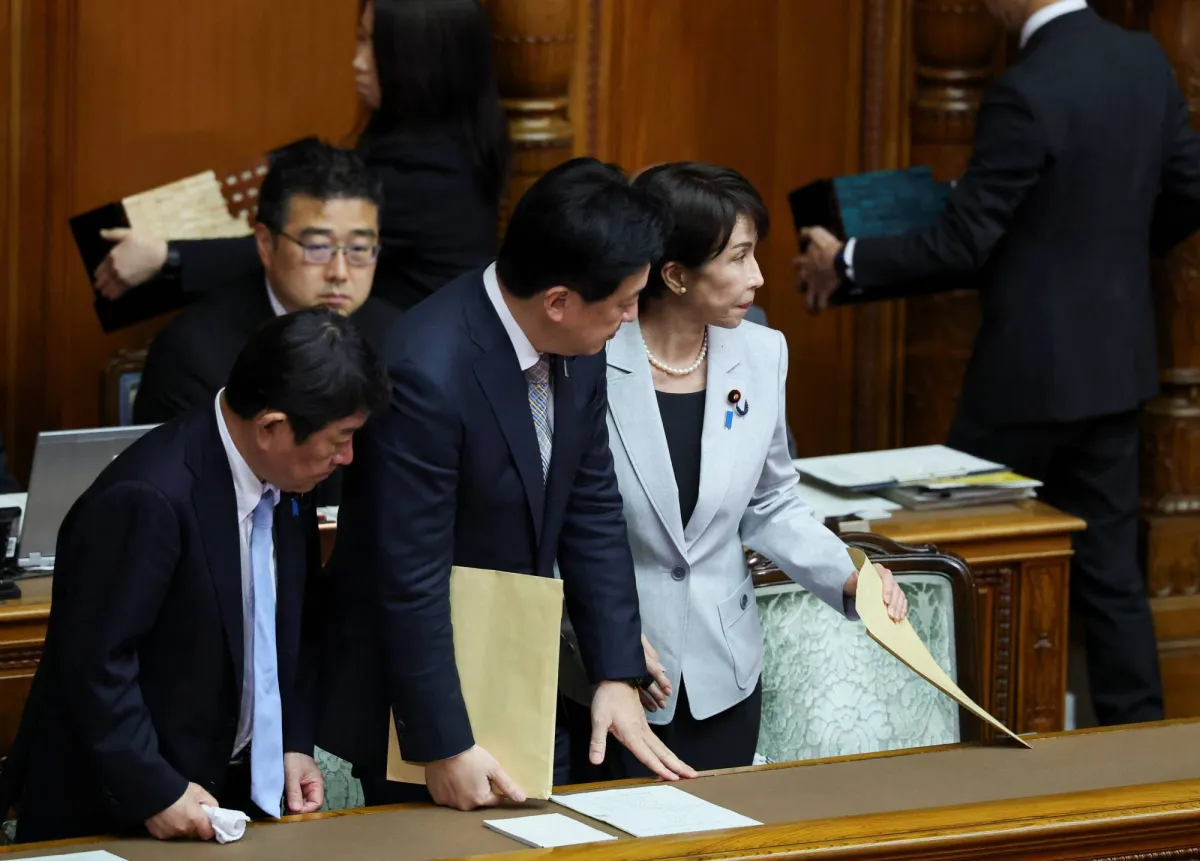
Japanese Prime Minister Sanae Takachi stated on Tuesday that there are no current plans to request households and businesses to reduce energy consumption, emphasizing that such measures could harm economic activity. This declaration comes in light of increasing concerns regarding supply disruptions resulting from the war in Iran.
In response to a question from an opposition lawmaker during a Senate budget committee session, Takachi explained that the government will closely monitor the situation and will act swiftly if necessary. She affirmed that maintaining economic activity is the priority at this time.
Details of the Situation
In a related statement, Japanese Finance Minister Satsuki Katayama indicated that the government will remain in close contact with G7 countries, given the ongoing uncertainty regarding the conflict in the Middle East, which is significantly impacting financial markets. The yield curve for Japanese government bonds has seen a notable increase, with the yield on 10-year bonds reaching its highest level since February 1999.
Katayama added in a press conference that G7 finance ministers and central bank governors agreed that developments in the Middle East and sharp fluctuations in oil prices are significantly affecting markets. She confirmed that the Japanese government will continue to communicate closely with its G7 counterparts to ensure market stability.
Background & Context
These statements come at a time when the Japanese economy is facing increasing pressures, as government data showed a decline in an index measuring economic health in February, highlighting the economy's weakness even before the repercussions of the Iranian war. A private survey also revealed a rise in bankruptcies in the home painting sector, reflecting the impact of rising fuel prices and supply constraints on small and medium-sized enterprises.
Japan relies heavily on imports, making its economy vulnerable to rising fuel prices. The government may face pressure to prepare an additional budget to enhance economic stimulus, as it draws on 800 billion yen (approximately $5 billion) from reserve funds to finance government support.
Impact & Consequences
Analyses suggest that a shortage of naphtha will negatively impact factory production, potentially exacerbating the damage to the economy. The number of painting companies declaring bankruptcy rose by 22.2% in the fiscal year ending in March, the highest level in 23 years, reflecting the pressures faced by small businesses.
Additionally, rising global oil prices may affect the domestic market, as the Japanese government seeks to control refined oil prices. Under these circumstances, it appears that the Japanese government is facing significant challenges in maintaining economic stability.
Regional Significance
Developments in Japan have implications for the Arab region, especially given the heavy reliance of Arab countries on oil exports. Disruptions in Japanese financial markets could lead to indirect effects on global oil prices, impacting the economies of oil-producing countries in the region.
In conclusion, the economic situation in Japan remains under close observation as the government seeks to balance energy consumption with economic activity amid the challenges posed by the Iranian war.