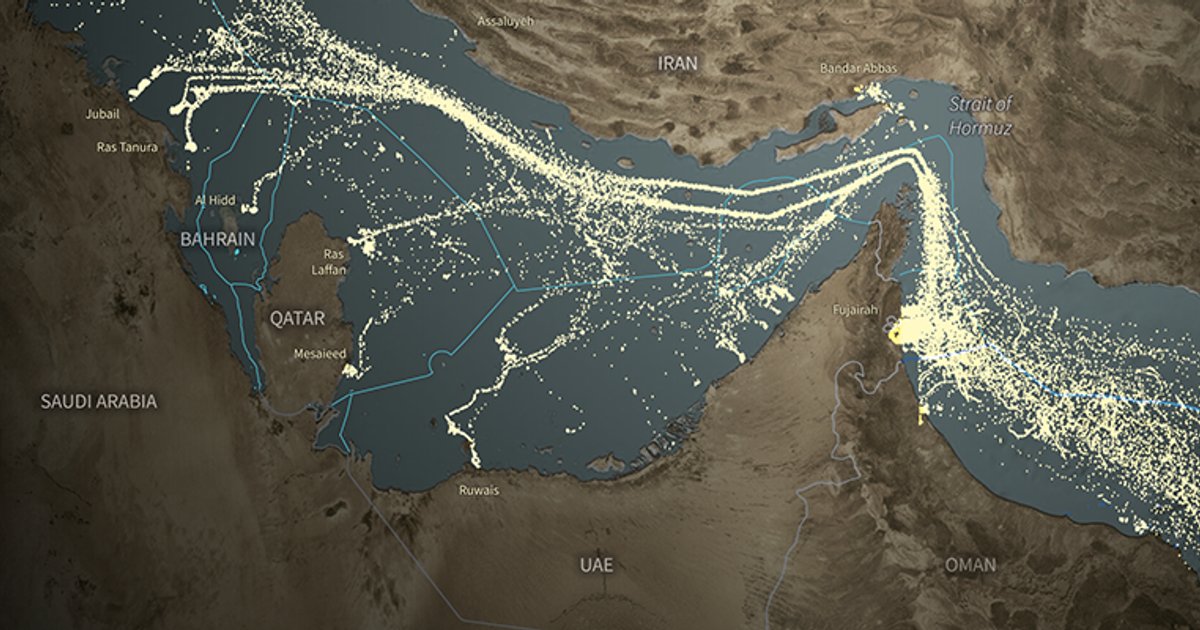
Japanese Prime Minister Sanae Takatiichi stated that her country relies on direct communication channels with Iran to ensure the safety of navigation in the Strait of Hormuz, amidst escalating tensions in the Middle East. This statement was made during a parliamentary session, where Takatiichi emphasized the importance of maintaining the safety of vessels, including Japanese ships, that traverse this vital corridor.
Takatiichi noted that the Japanese government is closely monitoring the situation in the Arabian Gulf, where many vessels, including those flying the Japanese flag, are still present in the waters of the Gulf. She explained that continuous communication with Iran is a fundamental step to ensure the safety of all ships in the region.
Details of the Event
In a related context, the Japanese Prime Minister confirmed that her country is seeking to take appropriate measures in cooperation with Iran to ensure the safety of navigation in the Strait of Hormuz. She reported that the model of direct communication with Iran will continue, stressing the importance of this matter in light of recent events in the region.
It is worth mentioning that the United States and Israel launched joint strikes on targets within Iran on February 28, resulting in damage to infrastructure and casualties, including the death of the then Supreme Leader, Ali Khamenei. Iran responded to these attacks by targeting areas in Israel and American military facilities in the Middle East as part of its self-defense.
Background & Context
The Strait of Hormuz is considered one of the most important maritime passages in the world, through which a significant percentage of oil and natural gas supplies pass. This area has witnessed increasing tensions in recent years due to regional conflicts and external interventions, directly affecting maritime traffic and global trade.
Historically, Iran has played a pivotal role in securing this corridor, but recent events have complicated the situation. Any escalation in tensions could disrupt shipping movements, negatively impacting oil prices and global economies.
Impact & Consequences
The repercussions of these events extend beyond the region, as any escalation in the Strait of Hormuz could lead to increased fuel prices worldwide. Markets have already witnessed a rise in prices due to concerns over regional instability, affecting consumers globally.
Moreover, the continuation of tensions may lead to increased military interventions by major powers, complicating the security situation in the region and raising the likelihood of new conflicts.
Regional Significance
For Arab countries, the situation in the Strait of Hormuz poses a significant challenge, as many of these nations rely on oil and gas supplies from this area. Any escalation in tensions could impact the economies of these countries and increase energy costs.
Furthermore, ongoing communication between Japan and Iran may open new avenues for regional cooperation, potentially helping to ease tensions in the area. Strengthening maritime security is vital to maintaining market stability and ensuring the flow of supplies.
In conclusion, the situation in the Strait of Hormuz remains under scrutiny, with growing concerns over escalating tensions. Cooperation among nations to ensure navigation safety is a necessary step to maintain regional and global stability.