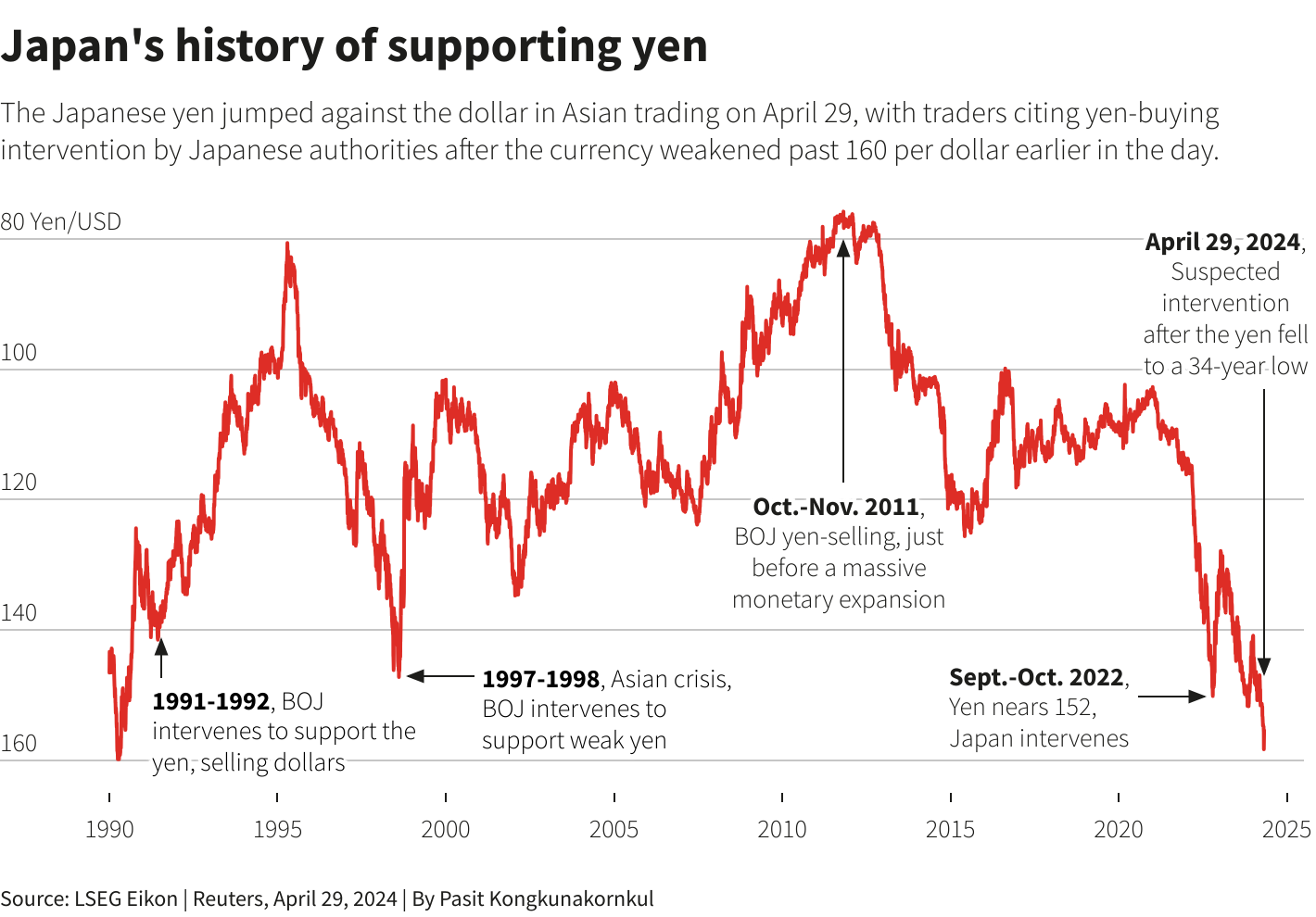
Japan aims to leverage the oil market to enhance the value of the yen amid global economic challenges. This initiative comes as pressures on the Japanese currency increase due to rising energy prices.
Japan, which heavily relies on oil imports, faces growing challenges due to soaring global energy prices. The sharp increase in oil prices has led to a decline in the value of the yen, negatively impacting the Japanese economy. In this context, the Japanese government is working on multiple strategies to support the yen by exploiting the oil market.
Details of the Initiative
Japan is one of the largest oil importers in the world, relying on imports to meet its energy needs. With rising oil prices, the Japanese currency has seen a significant decline, prompting the government to seek effective solutions. Among these solutions are strengthening relations with oil-producing countries and expanding investments in the energy sector.
Japan is also striving to diversify its energy sources and reduce dependence on imported oil. The Japanese government has shown increasing interest in investing in renewable energy, which could help alleviate pressures on the yen in the long term.
Background & Context
Historically, Japan has experienced significant fluctuations in the value of the yen, especially during global economic crises. In recent years, geopolitical crises and rising oil prices have exacerbated the situation. In 2022, the yen fell to its lowest level in decades, affecting the purchasing power of Japanese citizens.
Japan is one of the few countries without significant energy resources, making it vulnerable to oil price fluctuations. Therefore, the Japanese government's strategies aim to achieve economic stability by improving the currency's position.
Impact & Consequences
If Japan succeeds in leveraging the oil market to support the yen, it could lead to greater economic stability. This would positively affect Japanese companies that rely on imports, potentially contributing to economic growth.
However, Japan may face new challenges if oil prices continue to rise. This could lead to increased production costs, impacting the competitiveness of Japanese products in global markets.
Regional Significance
Arab oil-producing countries are key partners for Japan in the energy sector. Therefore, Japan's strategies to support the yen may influence economic relations between Japan and Arab countries. If Japan can stabilize its currency, it may lead to increased Japanese investments in the region.
At the same time, Arab countries could benefit from rising demand for Japanese oil, which may contribute to strengthening their economies. Thus, cooperation between Japan and Arab countries in the energy sector will have positive effects on both sides.
In conclusion, Japan is striving to utilize the oil market to support the yen amid current economic challenges. The success of these strategies could contribute to the stability of the Japanese currency and enhance economic relations with oil-producing countries, opening new avenues for cooperation in the future.