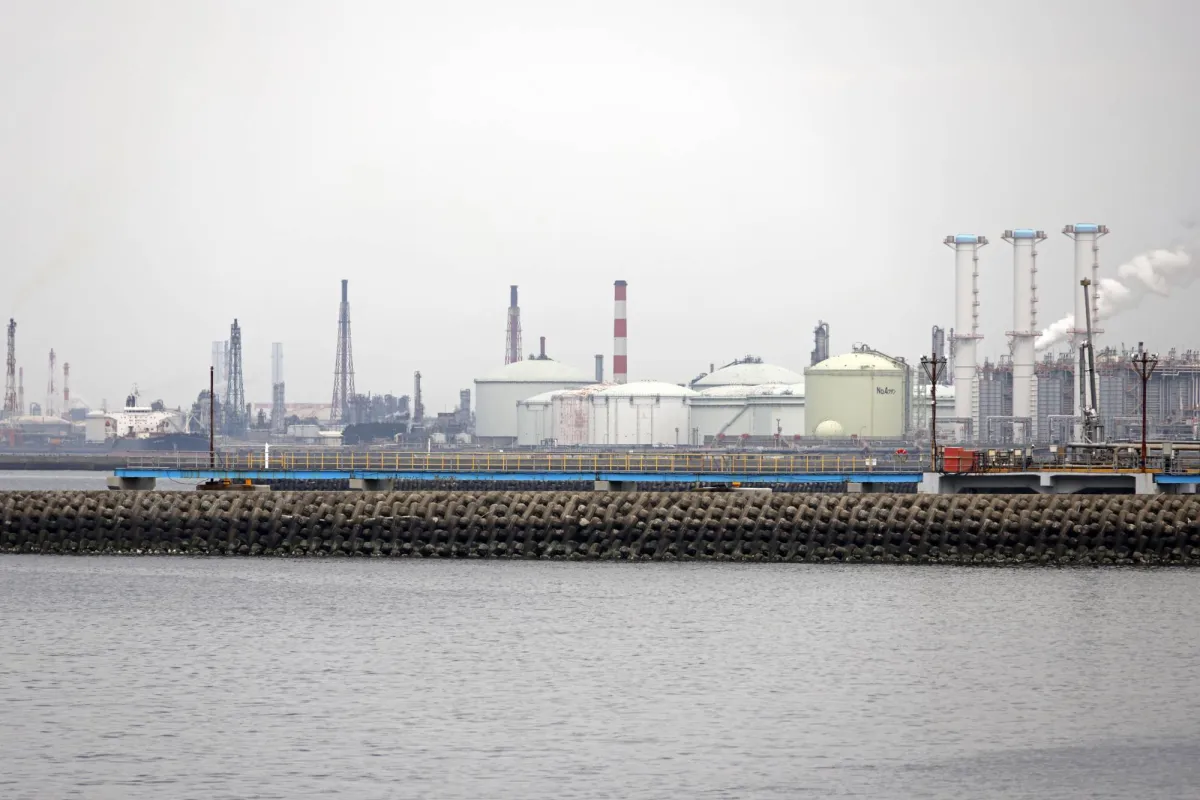
Japan has initiated a new strategy to transfer oil from one ship to another in open seas, distancing itself from the Middle East, with the aim of securing its crude supplies. This step is taken in light of escalating tensions in the region, where the Strait of Hormuz poses a significant threat to Japanese oil tankers and their crews.
According to Bloomberg, the giant oil tanker Kisugawa is en route to Japan's Hokkaido port after loading approximately 1.2 million barrels of Murban crude, purchased from Rio de Janeiro Energy while at sea off the west coast of Malaysia last Sunday.
Details of the Operation
This operation follows a week after another shipment of Murban crude was transferred to a Japanese tanker, reflecting the increasing challenges Japan faces in maintaining a steady flow of crude oil from the Middle East. Transfers of oil between tankers in open seas are rare for Japanese shipping companies, highlighting the significance of this step.
Officials in Tokyo have reported that they are in talks with Iran, exploring alternative options for securing oil supplies, emphasizing the necessity of ensuring the safety of ships and sailors. Major shipping companies from the Asian nation have suspended their operations across the Arabian Gulf, instructing their vessels to remain in safe waters.
Background & Context
Japan is one of the largest oil importers in the world, with most of its supplies coming from the Middle East. As tensions in the region rise, particularly after Iran's control over the Strait of Hormuz, through which approximately one-fifth of global oil supplies pass, Japan is compelled to reassess its strategies to ensure oil supplies.
Japanese shipping companies have grown increasingly cautious following a series of Iranian attacks targeting vessels attempting to transit the Strait of Hormuz. This situation has prompted Japan to seek alternative methods to secure its oil supplies.
Impact & Consequences
Reports indicate that Japan may face difficulties in obtaining sustainable oil supplies if tensions in the region persist. This could impact the Japanese economy and increase energy costs, negatively affecting local prices.
On the other hand, this new strategy may lead to increased demand for maritime transport services, which could positively reflect on Japanese shipping companies capable of providing these services in open seas.
Regional Significance
Arab oil-producing countries are directly affected by these developments, as any changes in Japan's purchasing strategies could influence global oil prices. Additionally, ongoing tensions in the region may heighten concerns about supply disruptions.
In conclusion, Japan appears to be striving to secure its oil supplies amid a volatile geopolitical environment, reflecting the importance of alternative transport strategies in facing global challenges.