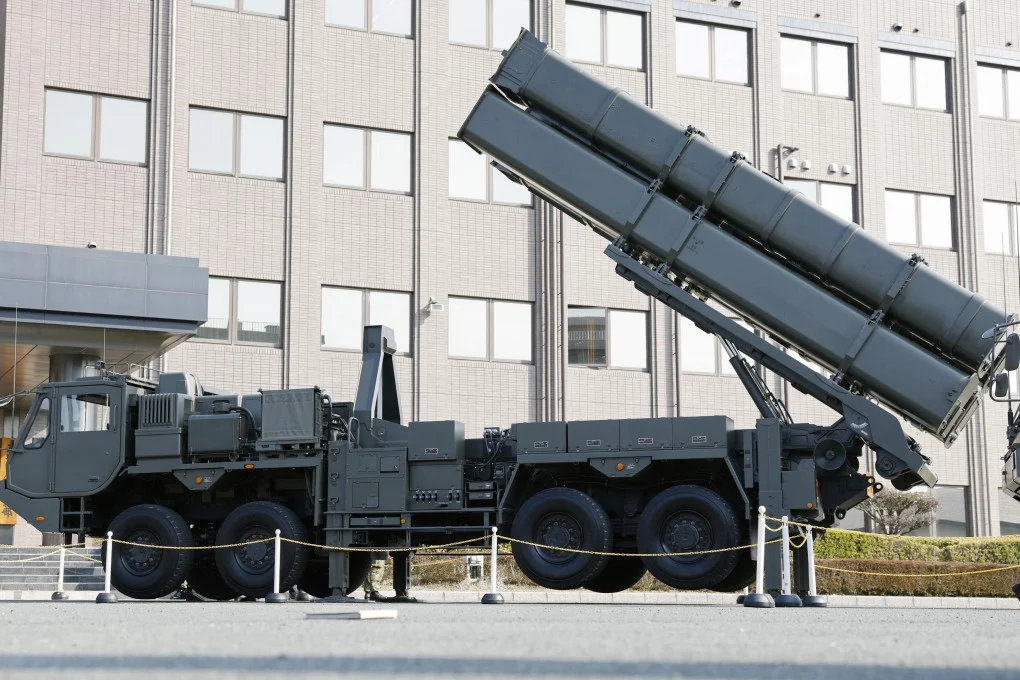
Japan has taken significant steps towards enhancing its defense capabilities by increasing taxes on tobacco and corporations. This initiative is part of the Japanese government's efforts to finance a record increase in defense spending. Following these tax hikes, an increase in income tax is anticipated in 2027, indicating that the government aims to raise approximately 1.3 trillion yen (equivalent to $8 billion) annually.
These measures come at a time when the security situation surrounding Japan is deteriorating, prompting the government to take urgent actions to bolster military capabilities. With rising regional threats, Japan appears to be moving towards a more robust defense policy, necessitating additional financial resources.
Details of the Tax Increases
The Japanese government announced these tax increases as part of a comprehensive plan to enhance defense spending, which has seen a notable rise in recent years. The government seeks to develop its military capabilities to address increasing challenges from countries like North Korea and China. These tax increases are likely to place an additional financial burden on citizens, which may provoke mixed reactions from the public.
This initiative is part of a broader strategy aimed at strengthening Japan's national security amid changing global conditions. The government hopes that these increases will contribute to improving the country's air and naval defenses.
Background & Context
Historically, Japan has followed a limited defense policy post-World War II, relying on the United States for its security. However, this policy has significantly changed in recent years, particularly with rising tensions in the Pacific region. In 2014, the Japanese government amended its constitution to allow for an expansion of military activities, enabling it to enhance its defense capabilities further.
Concerns are growing in Japan regarding military threats, especially with North Korea's nuclear and missile tests, alongside China's increasing military activities in the East China Sea. These circumstances have prompted the Japanese government to reassess its defense strategy, leading to a substantial increase in military spending.
Impact & Consequences
These tax increases are a bold move by the Japanese government and may have significant implications for the local economy. The rise in taxes could reduce consumer spending, potentially negatively affecting economic growth. Additionally, this step may evoke feelings of discontent among citizens, who might feel they are bearing an extra burden amid current economic conditions.
On the other hand, this increase in defense spending could enhance Japan's military capabilities, contributing to greater stability in the security situation in the region. However, the economic and social challenges that may arise from these policies cannot be overlooked.
Regional Significance
The Arab region is indirectly affected by these developments in Japan, as the enhancement of military capabilities by major powers can influence regional balances. Amid rising tensions in the Middle East, these policies may foster security cooperation between Arab countries and major powers like Japan.
Ultimately, Japan seems to be heading towards a more robust defense policy, which could impact security conditions in the region and the world. These developments require careful monitoring by Arab nations, especially in light of the increasing security challenges they face.