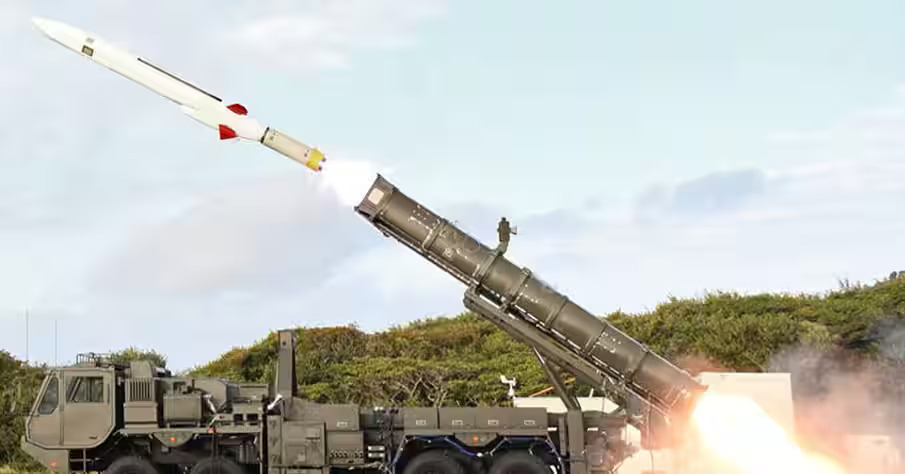
Japan has announced the deployment of its long-range missiles for the first time, marking a strategic shift in its defense policy. This move comes at a time when the region is witnessing escalating tensions, particularly with increasing threats from North Korea, raising significant concerns for Tokyo and its allies.
Japan, which has historically adhered to a pacifist defense policy, is seeking to enhance its military capabilities to address growing security challenges. This announcement was made during a press conference by the Japanese Minister of Defense, who confirmed that these missiles will bolster the country's ability to respond quickly and effectively in emergencies.
Details of the Missile Deployment
The deployed missiles include a new type of long-range missile capable of targeting distant objectives. These missiles were developed in collaboration with the United States, as part of joint efforts to enhance regional security. This decision follows a comprehensive review of Japan's defense policy, which had relied solely on self-defense.
This step is part of a broader strategy aimed at strengthening defense cooperation with allies, particularly the United States, in response to increasing threats from countries like North Korea and China. Japan also plans to significantly increase its defense budget, reflecting its commitment to enhancing military capabilities.
Background & Context
Historically, Japan has adopted a pacifist defense policy since the end of World War II, with strict limitations on its military capabilities. However, this policy has begun to change in recent years, especially with the rising tensions in East Asia. The region has witnessed nuclear and missile tests by North Korea, along with increasing military activities from China.
In 2014, the Japanese government reinterpreted its constitution to allow the Self-Defense Forces to engage in combat missions abroad, paving the way for enhanced military capabilities. Since then, Japan has been strengthening its military cooperation with the United States and other countries in the region.
Impact & Consequences
This move represents a significant shift in Japan's defense policy and may lead to changes in the military balance in the region. It is likely to provoke reactions from neighboring countries, particularly China and North Korea, which may view this as a threat to their security.
The deployment of these missiles could also heighten tensions in the region and prompt other countries to bolster their military capabilities. At the same time, this step may enhance Japan's position as a military power in the region, potentially affecting its relations with other nations.
Regional Significance
While this news may seem distant from the Arab region, the enhancement of military capabilities in any area can impact overall regional stability. Tensions in East Asia could lead to changes in the strategies of major powers, which may affect Arab interests in areas such as energy and security.
Furthermore, the strengthening of military cooperation between Japan and the United States may indicate new trends in global security policy, requiring Arab countries to closely monitor these developments.
In conclusion, Japan's deployment of long-range missiles marks an important shift in its defense policy, reflecting the increasing challenges it faces in East Asia. This decision is expected to have widespread implications for regional and international security, necessitating other countries to adapt to these changes.