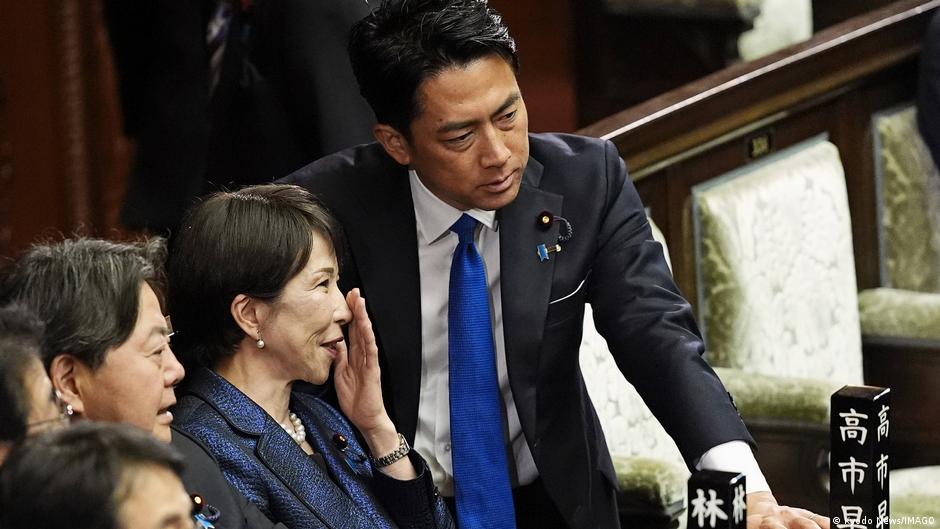
The Japanese government has declared the end of its decades-long ban on lethal arms exports, a move deemed necessary to enhance national security and strengthen alliances with partner nations. This decision, confirmed last week, enables Japanese companies to sell advanced military equipment to 17 countries that have defense agreements with Tokyo.
This policy shift comes at a time of escalating security tensions in the West Pacific region, where increasing military activities by China and North Korea raise significant concerns. Prime Minister Sanai Takahashi emphasized that this step aims to enhance the defense capabilities of Japan's allied nations.
Details of the New Policy
This move represents a radical change in Japan's defense policy, which has imposed strict restrictions on arms exports since 1967. Countries such as Australia and the Philippines are expected to benefit from this new policy, having signed significant agreements for the supply of advanced weaponry. For instance, Japan has concluded a $6.5 billion deal with Australia to supply 11 Mogami-class frigates.
Additionally, Japan aims to provide the Philippines with Abukuma-class warships to enhance the capabilities of the Philippine Navy, which faces challenges from Chinese naval forces in the South China Sea.
Background & Context
Historically, Japan has adopted a defense policy focused on non-military expansion, but recent geopolitical changes, including increasing threats from China and North Korea, have prompted the Japanese government to reassess its defense strategy. Since 2014, Japan has begun to ease restrictions on arms exports, but the recent decision marks a significant leap in this direction.
The Japanese government seeks to bolster its defense capabilities through cooperation with allies, as pressure from the United States mounts on allied nations to increase their defense spending. This trend reflects Japan's desire to build a robust defense industry reliant on foreign markets.
Impact & Consequences
This decision is considered a turning point in military relations in the Asia-Pacific region, potentially leading to increased tensions between Japan and its neighbors, particularly China. Experts warn that this move could push the region to the brink of armed conflict if not handled with caution.
On the other hand, this policy may contribute to strengthening military alliances between Japan and allied countries, thereby enhancing the balance of power in the region. However, the rising security challenges necessitate that Japan take additional steps to ensure regional stability.
Regional Significance
The implications of this policy shift extend beyond Japan, affecting the dynamics of military power in the Asia-Pacific. The potential for enhanced military cooperation may alter the strategic landscape, prompting neighboring countries to reassess their defense postures.
In conclusion, Japan's decision to lift the arms export ban is a strategic move that reflects the evolving geopolitical realities in the region, underscoring the importance of military preparedness in the face of emerging threats.