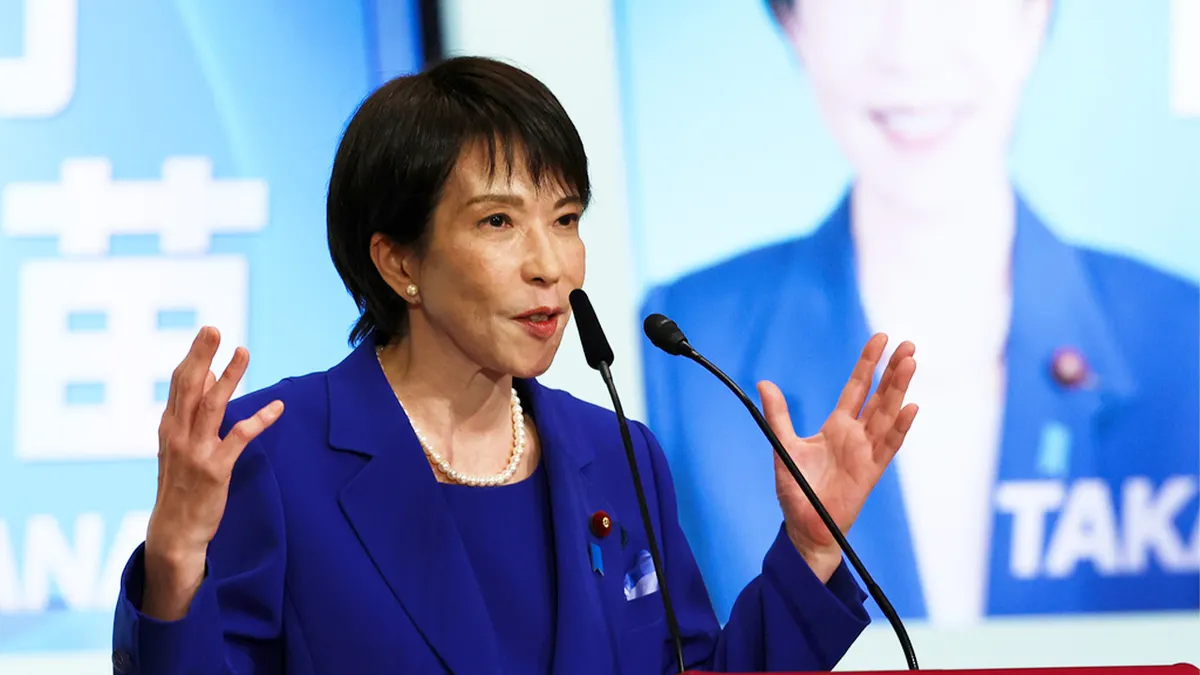
Japan's Prime Minister, Sna Takayashi, stated on Monday that she does not see an urgent need for an additional budget, but she pledged to respond "flexibly" according to the extent of the economic damage resulting from the conflict in the Middle East.
Takayashi's remarks came at a time when calls from government and opposition lawmakers are increasing for a new package of measures to address the sharp rise in oil prices and supply disruptions caused by the war in Iran.
Details of the Situation
In parliament, Takayashi said, "At this moment, I do not see the need to prepare an additional budget," pointing out that the government still has sufficient funds allocated to support fuel prices. She confirmed that "developments in the Middle East are unpredictable. We will be vigilant about their impact on the Japanese economy and will take necessary actions flexibly."
Takayashi also affirmed that the government should not take steps to curb economic activity, despite concerns that Japan may face a shortage of crude oil and petroleum products due to the effective closure of the Strait of Hormuz. Japan has reduced gasoline prices through subsidies and has not taken steps to conserve fuel, reflecting Takayashi's focus on supporting a fragile economic recovery.
Background & Context
In recent years, Japan has prepared additional budgets amid record spending in annual budgets to tackle economic challenges, including the COVID-19 pandemic and rising import costs due to the war in Ukraine. Despite being an advocate for flexible fiscal policy, Takayashi has committed to halting the preparation of additional budgets and instead incorporating all necessary expenditures into annual budgets.
Japan is one of the countries that heavily relies on oil imports from the Middle East, making its economy vulnerable to the impacts of rising oil prices and the closure of the Strait of Hormuz. Analyses have warned that the government may face a funding shortfall by July if conflicts persist and no additional budget is enacted.
Impact & Consequences
The rise in oil prices resulting from the conflict in the Middle East has complicated the efforts of Japanese policymakers to support the economy while keeping inflationary pressures under control. Additionally, rising oil prices add to the increasing inflationary pressures caused by a weak yen and rising wages, complicating the Bank of Japan's decisions regarding interest rates.
The Bank of Japan is expected to keep interest rates steady, but it may signal its readiness to raise rates as early as June, as the energy shock puts policymakers on alert against inflation risks.
Regional Significance
Arab countries are directly affected by developments in the Middle East, as rising oil prices impact their economies and increase economic challenges. Any disruptions in oil supplies also affect the stability of global markets, reflecting on oil-importing countries.
In conclusion, Japan remains cautious regarding global economic developments, especially those related to oil, necessitating a swift and flexible response to face future challenges.