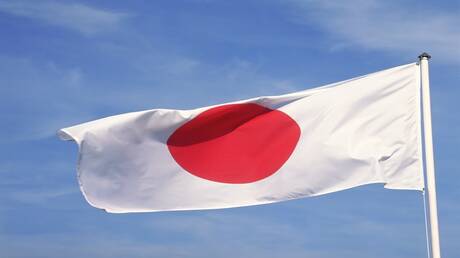
The Japanese Ministry of Defense has announced that it will send four personnel from the Self-Defense Forces to the NATO structure for security assistance and training for Ukraine (NSATU) based in Germany. This step is part of enhancing international cooperation to support Ukraine amid the tense security situation in the region.
This action is part of Japan's ongoing efforts to support Ukraine, as Tokyo seeks to strengthen its role on the international stage through active participation in military alliances. This decision also reflects Japan's commitment to addressing emerging global security challenges.
Details of the Deployment
The Japanese Ministry of Defense clarified that the four personnel will operate within the NATO structure, providing support and training to Ukrainian forces. This measure comes at a critical time, as Ukraine faces an escalation in conflict with Russia, necessitating increased international support.
This initiative is part of Japan's strategy to enhance its defensive capabilities and collaborate with allies, as Tokyo aims to expand its involvement in global security issues. Additionally, sending troops to Germany underscores Japan's commitment to working alongside its NATO allies.
Background & Context
Historically, Japan has adopted a self-defense policy, focusing on protecting its territory without directly engaging in external conflicts. However, recent geopolitical changes, including tensions in the Pacific region and the Russia-Ukraine conflict, have prompted Japan to reassess its defense strategy.
In recent years, Japan has begun to strengthen its military cooperation with Western nations, including the United States and NATO countries. This shift reflects Tokyo's desire to be a more effective player on the international stage, especially in the face of increasing security challenges.
Impact & Consequences
This decision is expected to have significant implications for international relations in the region. It reflects Japan's commitment to supporting Ukraine and enhances its position as a reliable ally in the face of security threats. Furthermore, this move may increase pressure on Russia, potentially affecting its strategies in the region.
Moreover, Japan's participation in military operations under NATO's banner could pave the way for further military cooperation with European nations, thereby strengthening the alliance's capacity to address common challenges.
Regional Significance
For the Arab region, the enhancement of military cooperation between Japan and NATO could have indirect effects. Stability in Europe can influence regional security, especially amid ongoing tensions in the Middle East.
This cooperation may also encourage Arab nations to bolster their military partnerships with major powers, potentially leading to changes in the security dynamics within the region.
In conclusion, Japan's decision to send troops to the NATO structure represents a significant step that reflects its commitment to supporting Ukraine and enhancing its role on the international stage. This move may open new avenues for military cooperation and impact global security balances.