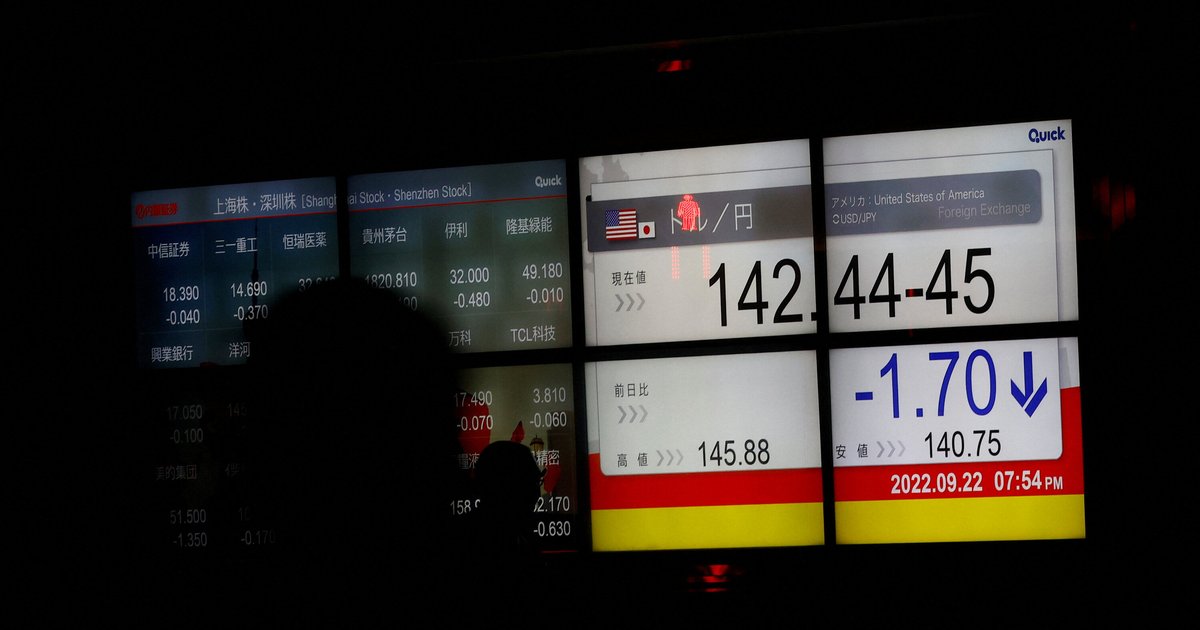
The Japanese government has stated that the decline in the yen's value against the US dollar is considered speculative, marking the first time since the outbreak of the war in the Middle East that such a statement has been made. These remarks come as the Japanese economy faces increasing pressure due to rising imported oil prices, heightening inflation fears.
As the yen continues to decline, nearing the level of 160 yen per dollar, Japanese Finance Minister Satsuki Katayama confirmed the government's readiness to intervene in the markets to counteract sharp fluctuations. Katayama noted that speculative movements in the currency market are on the rise, indicating that these statements follow observed effects of the war in Iran on global markets.
Details of the Event
Data shows that core inflation in the Japanese capital, Tokyo, slowed in March; however, analysts expect that high oil prices resulting from the conflict in Iran will increase inflationary pressures. The Bank of Japan may have to make tough decisions regarding interest rate hikes in its upcoming meeting.
It is worth noting that the yen has experienced a significant decline in value, recording 159.93 yen per dollar, raising concerns among financial authorities. Some experts have pointed out that these movements may be driven by increased demand for the dollar as a safe haven amid volatile global conditions.
Background & Context
Historically, Japan has intervened in the currency market when price movements exceed reasonable limits. Previous interventions by the Japanese government have been justified as necessary to maintain economic stability. Katayama emphasized that excessive movements in the currency market negatively impact economic growth.
The war in Iran is a significant factor influencing global markets, leading to the closure of the Strait of Hormuz, a vital point for oil and gas transportation. This has contributed to rising oil prices, further increasing inflationary pressures on the Japanese economy.
Impact & Consequences
The Japanese markets are facing dual pressures from the declining yen and rising oil prices. This has resulted in a significant drop in the Nikkei index, which recorded a decline of more than 11% during March. Concerns over high inflation have also prompted investors to sell Japanese government bonds.
Expectations are rising that the Bank of Japan may raise interest rates in its next meeting, with estimates suggesting a 70% chance of a rate hike. This trend reflects growing concern over the impacts of the war in Iran on the Japanese economy.
Regional Significance
Arab countries are directly affected by rising oil prices due to the conflict in Iran, as oil is one of the main sources of revenue for many Arab nations. Additionally, tensions in the region could impact the stability of global financial markets, negatively affecting the economies of Arab countries.
In conclusion, the current situation in Japan illustrates how geopolitical events can influence the global economy, necessitating proactive measures from Arab nations to address potential economic challenges.