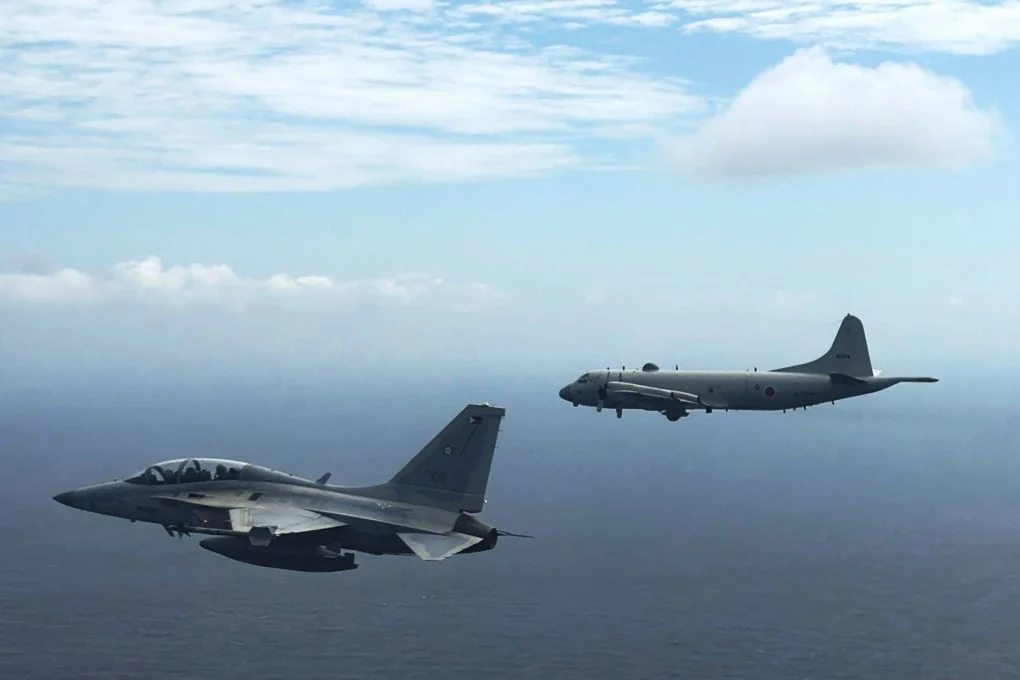
Japanese forces are preparing to join joint military exercises with Filipino troops next month, a move considered the first of its kind since the end of World War II. This return evokes mixed feelings among Filipinos, as some believe it is not just about what Japan is doing today, but also about what it has failed to acknowledge regarding its colonial past.
Survivors, activists, and historians argue that Japan's increasing role in the Philippines brings to mind what one activist described as the "elephant in the room": the absence of an official apology from the Japanese government for the crimes committed during the occupation. This absence raises questions about Japan's willingness to confront its dark history.
Details of the Event
The military exercises will be part of efforts to enhance security cooperation between Japan and the Philippines amid rising tensions in the Pacific region. This step comes at a sensitive time, as Japan seeks to expand its security role in the area, which requires it to address its colonial history more seriously.
While some Filipinos welcome military cooperation, others express concern that this collaboration may overlook the past of occupation. Many believe that acknowledging history is a crucial step in building healthy relations between the two nations.
Background & Context
During World War II, Japan occupied the Philippines from 1942 to 1945, resulting in significant suffering for Filipinos. It is estimated that hundreds of thousands of Filipinos lost their lives during this period, along with numerous atrocities committed against civilians. After the war, Japan did not issue an official apology, leaving deep scars in the collective memory of the Filipino people.
Over the years, Japan has attempted to improve its image in the Philippines through economic aid and cultural cooperation, but the lack of an official apology remains a significant obstacle in relations between the two countries. Many Filipinos see an apology as a necessary step toward achieving true reconciliation.
Impact & Consequences
These military exercises are considered an important step in strengthening relations between Japan and the Philippines, but they could also exacerbate negative sentiments towards Japan if historical issues are not addressed appropriately. There is concern that the failure to acknowledge the past may intensify tensions between new generations of Filipinos and Japanese.
Additionally, these events may affect Japan's relations with other countries in the region, as nations such as China and South Korea monitor the situation's developments. These military exercises could be viewed as a strong message from Japan to its neighbors, potentially escalating tensions in the region.
Regional Significance
Although the event may seem distant from the Arab region, there are lessons to be learned from this situation. Relations between countries should be built on acknowledgment of the past and mutual understanding, which can serve as a model for relations between Arab nations and other countries with histories of colonialism or conflict.
Ultimately, the question remains about how Japan will deal with its past and whether it will take genuine steps toward acknowledging the crimes committed in the Philippines. Acknowledging the past is a necessary step to build a better future between nations.