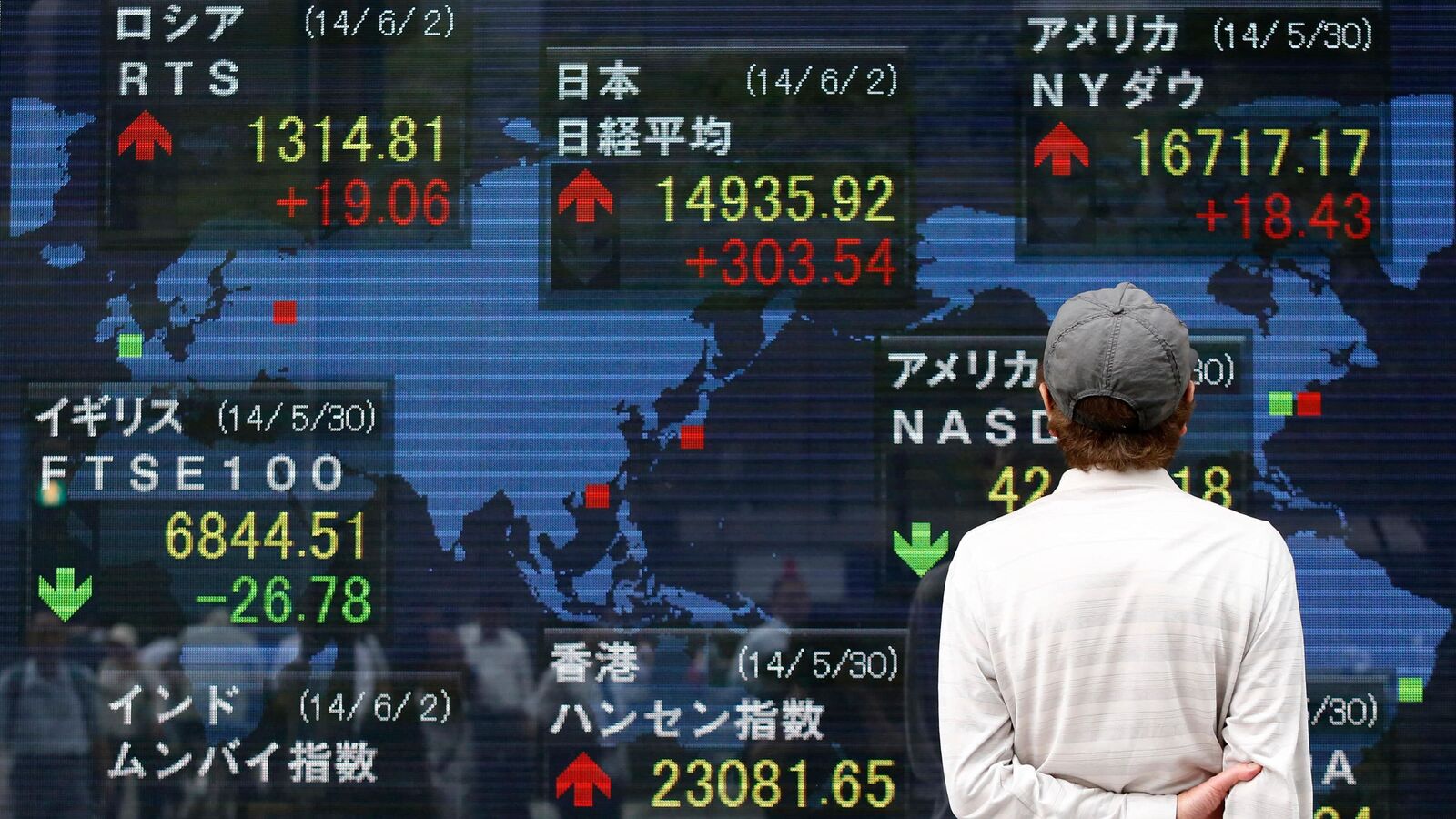
Japanese stock indices fell during today's trading, with markets experiencing a noticeable decrease in value. This decline reflects the growing concern regarding the global economy, particularly amid geopolitical tensions and the economic challenges faced by many countries.
The rising fears of an economic slowdown have led to a drop in the Nikkei 225 index, one of Japan's key stock market indicators. The Topix index, which includes shares of major companies, also saw a significant decline, indicating a state of uncertainty in the markets.
Event Details
In detail, the Nikkei 225 index recorded a decrease of 1.5%, while the Topix index fell by 1.2% during the trading session. This decline follows a series of negative economic data that showed a contraction in industrial activity in Japan, heightening fears about the future of the Japanese economy.
Reports confirm that investors are leaning towards risk reduction under the current circumstances, leading to widespread sell-offs in the markets. Additionally, trade tensions between the United States and China cast a shadow over the markets, further increasing instability.
Background & Context
Japan is considered one of the largest economies in the world and has faced numerous challenges in recent years, including declining domestic demand and an aging population. These factors have contributed to a slowdown in economic growth, affecting investor confidence in the market.
In recent years, the Japanese government has pursued expansionary monetary policies to support the economy, but with rising inflationary pressures, authorities may need to reconsider their strategies. This situation complicates the economic landscape in Japan.
Impact & Consequences
The decline of Japanese stock indices impacts global financial markets, as Japan is a major financial hub. Any downturn in the Japanese economy could have negative repercussions on other markets, especially in Asia.
This decline may also affect major Japanese companies, leading to a reduction in their investments and expansions abroad. Under these circumstances, we may witness negative impacts on global supply chains, further complicating the economic situation.
Regional Significance
Arab markets are closely linked to global markets, and any decline in Japanese markets could affect Arab investments in Japan. Additionally, economic tensions may lead to decreased demand for oil, impacting the economies of oil-producing Arab countries.
In light of these circumstances, Arab countries must monitor developments in Japanese markets and take necessary measures to protect their economies from potential negative repercussions.
Financial markets remain under significant pressure, and countries and investors must stay vigilant amid these changing conditions. The decline of Japanese stock indices is merely an indicator of the economic challenges that global markets may face in the future.