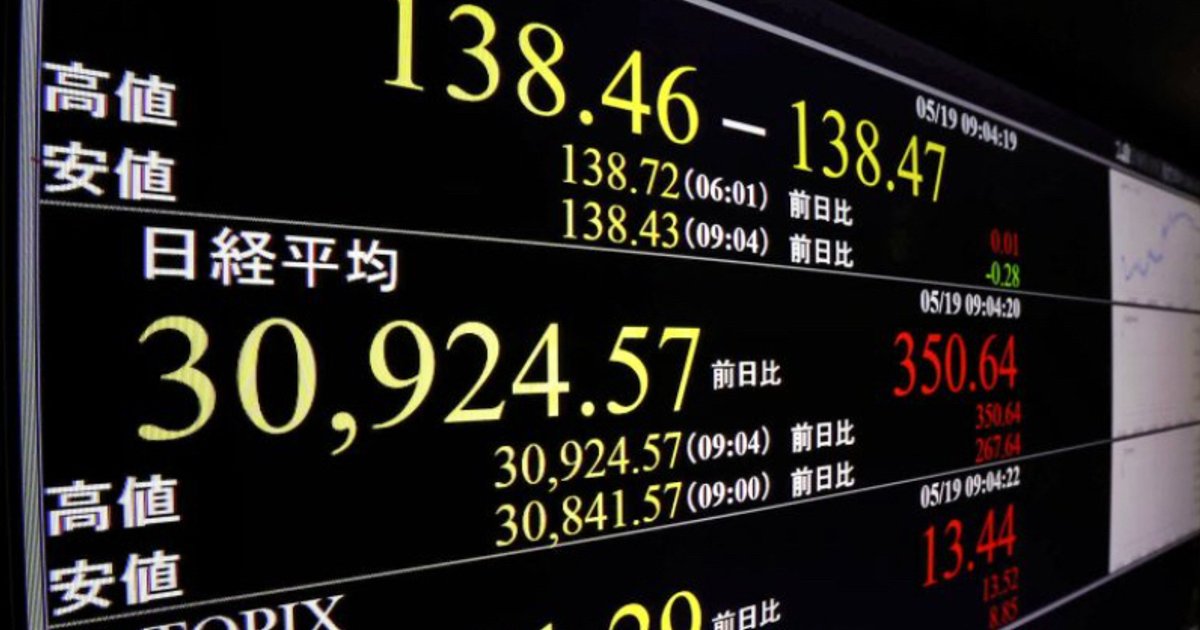
The Japanese Nikkei index has fallen for the fourth consecutive day, recording its worst monthly performance since the global financial crisis of 2008. This decline comes at a time when investor sentiment is significantly affected by the escalating conflict in the Middle East, increasing uncertainty in financial markets.
These declines in the Japanese market indicate the negative impacts that regional crises can have on the global economy. Investors often take cautious positions during times of political and military turmoil, leading to a decrease in investments in financial markets.
Nikkei Index Performance Details
At the close of Tuesday's session, the Nikkei index ended down by 1.5%, reaching a level of 27,000 points. The index has seen a decline of 8% during the month of October, marking the worst performance since the global financial crisis. This weak performance reflects growing fears about the impact of the conflict in the Middle East on the global economy, as investors closely monitor developments in the region.
Concerns are rising that the war could lead to an increase in oil prices, which may negatively affect economic growth in Japan, a country that heavily relies on energy imports. Additionally, the deterioration of trade relations among major countries could exacerbate economic conditions.
Historical Context and Background
Historically, Japanese financial markets have experienced significant volatility due to regional and global crises. In 2008, the global financial crisis led to a sharp decline in markets, impacting the Japanese economy, which was already suffering from a prolonged recession. Today, it seems history is repeating itself with the escalation of the conflict in the Middle East, threatening the stability of financial markets.
The Nikkei index is considered one of the most important economic indicators in Japan, reflecting the performance of the largest 225 companies listed on the Tokyo Stock Exchange. Therefore, the decline of this index is a sign of deteriorating confidence in the Japanese economy, indicating that investors expect further challenges in the near future.
Potential Economic Impact
These developments could lead to negative impacts on the Japanese economy, as both foreign and domestic investments may decline due to uncertainty. Furthermore, rising oil prices could increase production costs, affecting corporate profits and increasing inflationary pressures.
Moreover, the decline of the Nikkei index could influence investor sentiment in global markets, as Japan is considered one of the largest economies in the world. Any decline in investor confidence in Japan could extend to other markets, increasing financial instability.
Implications for the Arab Region
The Arab region is directly affected by conflicts in the Middle East, as many countries depend on the stability of global markets. Any deterioration in the Japanese economy could impact trade and investments in the region, increasing the economic challenges faced by Arab countries.
In light of these circumstances, Arab countries must closely monitor developments in Japan, as any downturn in the Japanese economy could have negative repercussions on economic growth in the region, especially given the increasing reliance on international trade.