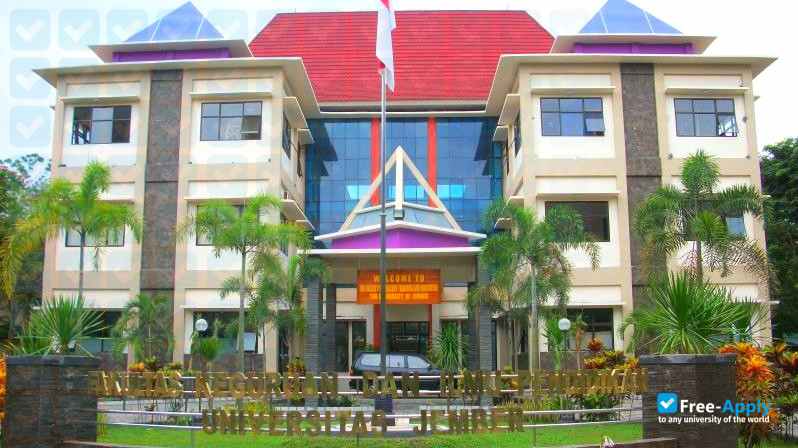
Jember University (Unej) in Indonesia has announced the acceptance of 3,367 students for the 2026 academic year through the performance-based national selection system (SNBP). These students were selected from 13,755 applicants, reflecting an acceptance rate of approximately 33% of the total number of new students expected to be received.
In a statement to Antara News Agency, the university's Vice President for Academic Affairs, Professor Salamin, confirmed that students accepted through the SNBP system are required to register anew, and they can view registration guidelines on the university's official website. He noted that students accepted via this system cannot apply through other systems such as the national selection based on tests (SNBT) or through independent channels.
Event Details
These results are part of the new student admission process at Indonesian universities, where Jember University represents one of the leading educational institutions in the country. Professor Salamin mentioned that the university also provides financial assistance to outstanding students from low-income families through the Indonesia Smart College Card program (KIP-K). This year, 5,847 students registered in the SNBP system through the KIP-K program, with 1,447 students being accepted.
Jember University ranks seventh among Indonesian universities in terms of the number of students accepted through the KIP-K program, reflecting its commitment to providing educational opportunities for students from diverse social and economic backgrounds.
Background & Context
Founded in 1964, Jember University is one of the public universities in Indonesia that aims to offer high-quality education. The university follows an educational system focused on developing students' academic and practical skills, making it a preferred destination for many students in the country.
The admission process at Indonesian universities is one of the most significant annual events, where students compete for higher education seats amid an increasing number of applicants. With the rising number of students in recent years, competition has become more intense, necessitating thorough preparation from students.
Impact & Consequences
The acceptance results underscore the importance of the performance-based national selection system in enhancing the quality of higher education in Indonesia. They also highlight the efforts made to provide educational opportunities for students from diverse backgrounds, contributing to the promotion of educational equality.
These results are expected to impact the future of the accepted students, as they will have the opportunity to receive distinguished education at Jember University, potentially opening new horizons in various job fields.
Regional Significance
The experience of Jember University in accepting students through the national selection system serves as a model that can be beneficial for Arab countries, where many universities face challenges in student admissions. Arab nations can learn from this experience to develop fairer and more transparent admission systems.
Amid the economic and social challenges faced by many Arab countries, enhancing opportunities for higher education is vital for achieving sustainable development.