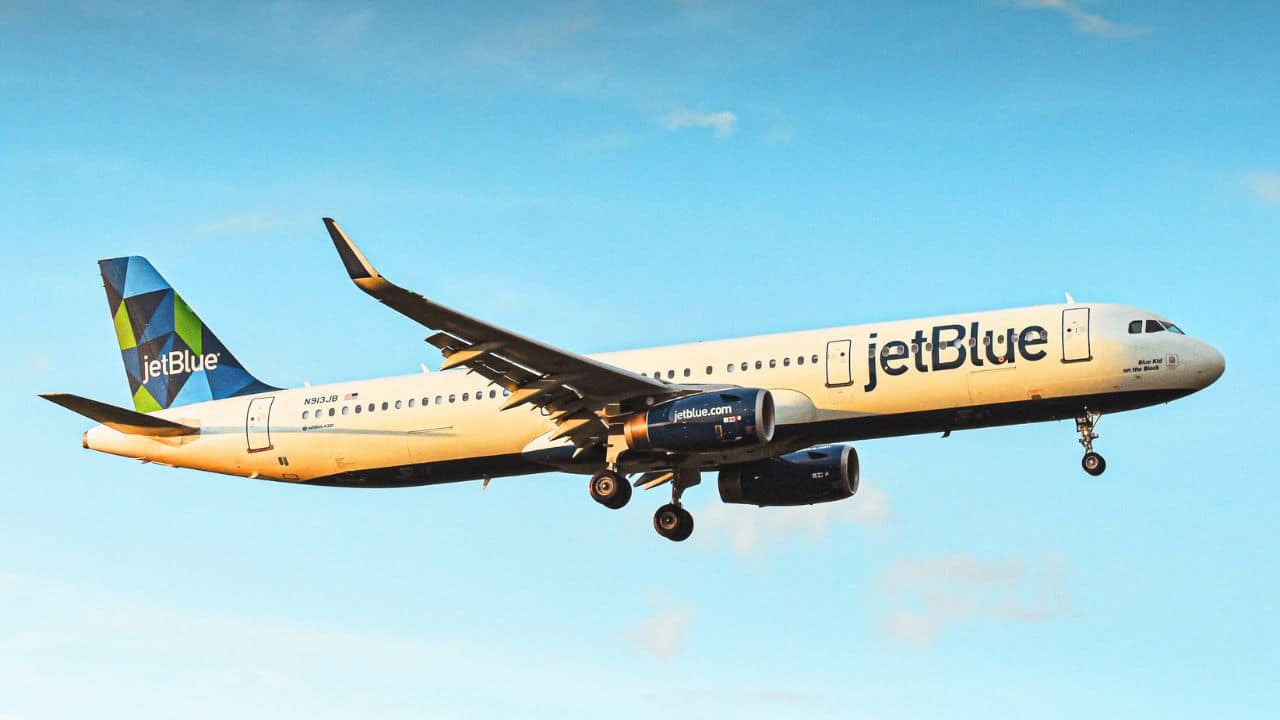
JetBlue, one of the leading American airlines, has announced an increase in checked baggage fees by up to $9 as part of the ongoing impact of the war in Iran on fuel costs. This increase comes at a sensitive time for the sector, as many airlines face significant challenges due to rising fuel prices.
This move is part of the company's strategy to adapt to changing economic conditions, as it seeks to offset the rise in operational costs. This increase is expected to affect travelers, especially those who rely on frequent travel.
Details of the Announcement
The fee increase comes at a time when the world is experiencing political and economic tensions, with crises escalating in the Middle East, leading to higher oil and fuel prices in general. JetBlue has confirmed that this increase will take effect starting next month, meaning travelers should be prepared for additional costs when flying.
JetBlue is known for its efforts to provide affordable services, but with the recent rise in fuel costs, it seems that this strategy may come under pressure. This increase is not the first of its kind, as we have recently seen similar hikes from other airlines.
Background & Context
Historically, the aviation sector has faced numerous challenges due to fluctuations in fuel prices. In previous years, wars and conflicts in the Middle East have directly impacted oil prices, which in turn reflects on travel costs. The war in Iran, which began in recent years, has led to a sharp increase in fuel prices, prompting many airlines to reevaluate their pricing strategies.
Moreover, the effects of the COVID-19 pandemic continue to cast a shadow over the aviation sector, as many travelers seek to return to flying after a long period of restrictions. With rising travel costs, some may hesitate to make travel decisions, potentially affecting overall air traffic.
Impact & Consequences
The increase in baggage fees is a step that may lead to a decline in demand for air travel, as some travelers may avoid using airlines that impose additional charges. This decline could impact the overall revenues of airlines, leading to further financial pressures on the sector.
Additionally, this increase may exacerbate competition among airlines, as other companies may seek to offer more competitive prices to attract travelers. Under these circumstances, we may witness changes in pricing strategies and services offered by airlines.
Regional Significance
In the Arab region, this news may have multiple implications. With escalating tensions in the Middle East, the tourism and travel sector may be significantly affected. Increased travel costs may lead to a decline in the number of tourists coming to Arab countries, impacting the local economy.
Arab travelers flying to the United States or through American airlines may face additional costs, which could affect their travel plans. Ultimately, airlines must adapt to these changes to ensure the continuity of their services and attract travelers.