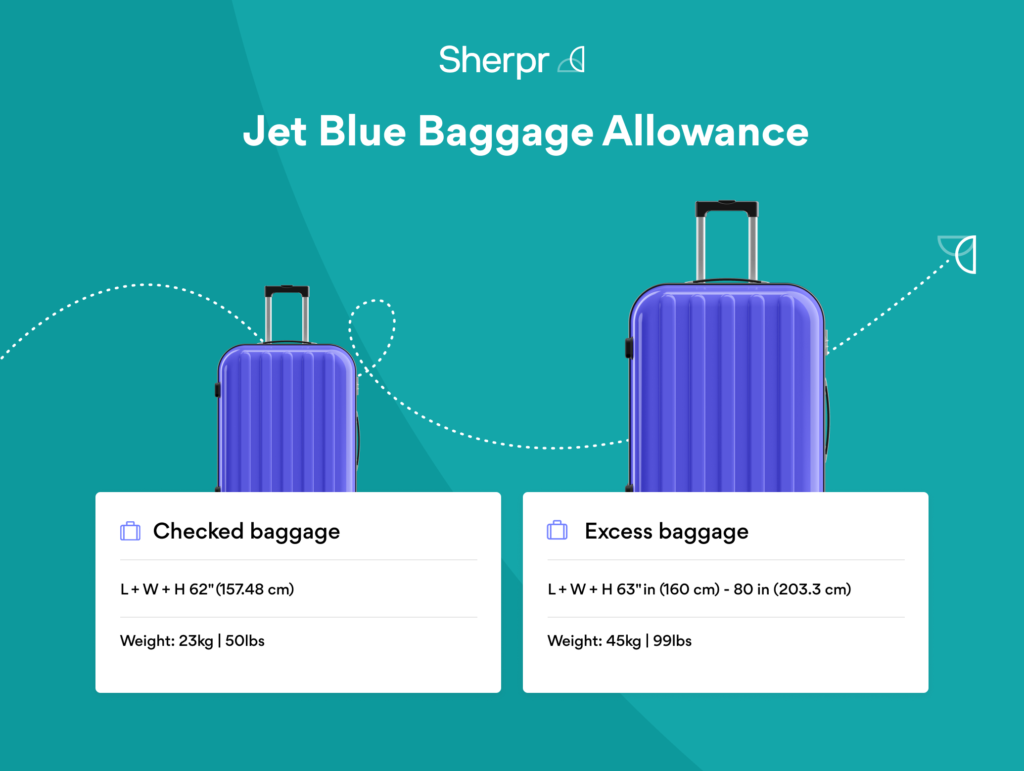
JetBlue Airways has announced an increase in baggage fees at a time when fuel prices are significantly rising, following the attacks carried out by the United States and Israel on Iran on February 28. This increase is part of the airlines' efforts to address the rising costs imposed by high fuel prices.
In an official statement, JetBlue confirmed that it regularly evaluates its operating costs, emphasizing the necessity of managing these costs while keeping base ticket prices competitive, in addition to continuing to invest in the customer experience that they value. This move reflects the challenges faced by airlines under the current economic conditions.
Details of the Fee Increase
The increase in baggage fees comes at a sensitive time for the aviation industry, which has seen a notable rise in ticket prices worldwide. This price increase is primarily attributed to the significant rise in fuel prices, which have been directly affected by geopolitical events in the region. JetBlue is one of many airlines that have had to take similar steps to cope with rising costs.
The company aims to strike a balance between increasing revenue through additional fees and maintaining its customer base. This increase is expected to impact travelers, particularly those who rely on frequent travel.
Background & Context
The global aviation industry has faced significant challenges since the beginning of the year, as the rise in fuel prices has put financial pressure on many companies. The attacks on Iran have intensified these pressures, leading to an overall increase in oil prices. Historically, fuel prices have constituted a large portion of airlines' operating costs, making them vulnerable to market fluctuations.
In recent years, airlines have made repeated attempts to raise prices or impose additional fees in an effort to offset rising costs. However, these strategies can lead to negative reactions from customers, making it essential for companies to proceed with caution.
Impact & Consequences
The increase in baggage fees is expected to have negative effects on demand for air travel, as some travelers may hesitate to book new tickets due to the additional costs. This could lead to a decline in revenue for airlines, potentially forcing them to take further actions to adapt to the situation.
Moreover, this increase may exacerbate tensions between airlines and customers, as travelers seek more economical travel options. Under these circumstances, it will be important for airlines to monitor market reactions and adjust their strategies accordingly.
Regional Significance
The Arab region is among the most affected by changes in fuel prices, as many countries rely on the aviation sector as a key part of their economies. With rising travel costs, tourists and investors may be impacted, potentially leading to a decline in tourism activity.
Furthermore, this increase in fees may affect Arab airlines, forcing them to review their pricing strategies. Given the ongoing geopolitical tensions, it will be crucial for airlines in the region to remain flexible and capable of adapting to changing conditions.
In conclusion, under the current economic circumstances, airlines like JetBlue must balance revenue increases with providing competitive services to customers. As fuel prices continue to rise, these challenges are expected to persist in impacting the aviation industry as a whole.