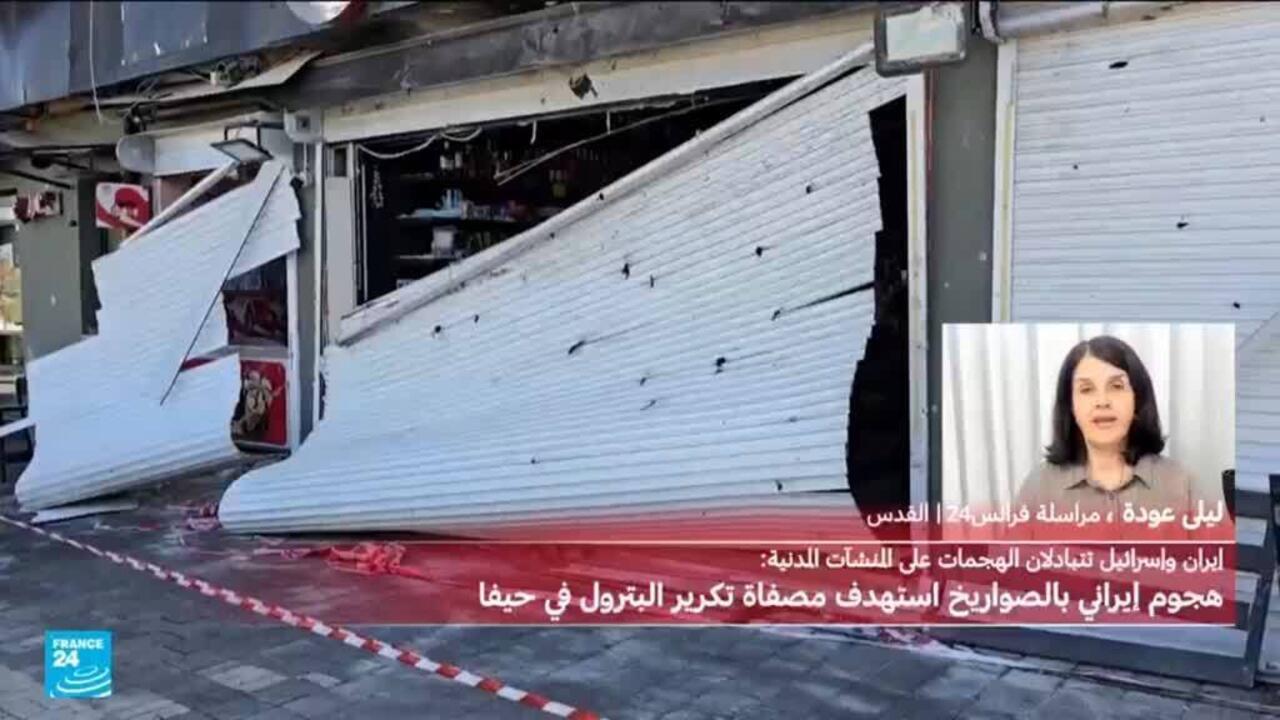
An oil refining facility in the Israeli city of Haifa was subjected to a joint attack by Lebanese Hezbollah and Iran, resulting in damage to an industrial building and a fuel tanker from shrapnel of a missile intercepted by Israeli air defenses. Despite the material damage, there were no reports of injuries among the facility's workers.
In a statement, the Israeli Energy Minister confirmed that the attack did not cause any harm to the production facilities at the oil refineries in Haifa, indicating that fuel supplies would not be affected by this assault. This attack comes at a sensitive time marked by escalating tensions in the region, raising concerns about the stability of energy supplies.
Details of the Incident
The attack targeting Haifa is part of an ongoing escalation in the conflict between Israel and its allies on one side, and Hezbollah and Iran on the other. The Israeli Fire Authority reported that the shrapnel from the intercepted missile struck industrial facilities, reflecting the precision of the attacks carried out by armed groups in the region.
It is noteworthy that Haifa is considered one of the most important industrial cities in Israel, housing major oil refineries that play a vital role in meeting the country's energy needs. This attack could raise concerns about the security of these critical facilities.
Background & Context
Historically, the region has witnessed numerous conflicts between Israel and Hezbollah, with the dispute dating back decades and continuing today amid rising regional tensions. Hezbollah, backed by Iran, views Israel as a primary enemy and periodically conducts military operations against it.
In recent years, Iran has increased its support for Hezbollah, enhancing its military capabilities. This support includes supplying the group with missiles and military technology, increasing Hezbollah's ability to carry out precise attacks against Israeli targets.
Impact & Consequences
The attack on Haifa could have wide-ranging implications for regional security, potentially leading to greater escalation in the conflict between Israel and Hezbollah. Additionally, targeting oil facilities may impact global oil prices, especially if attacks continue and increase in frequency.
Moreover, this attack could provoke military responses from the Israeli side, heightening tensions in the region. Should Israel decide to take retaliatory military action, it could drag the region into a broader conflict.
Regional Significance
The events in Haifa hold particular significance for Arab countries, reflecting the ongoing conflicts in the region and their impact on security and stability. The escalating tensions between Iran and its allies on one side and Israel on the other could affect relations between Arab states and Iran, especially amid existing tensions in Iraq, Syria, and Lebanon.
Furthermore, targeting oil facilities may raise concerns among oil-producing Arab nations, as any escalation in the conflict could affect oil supplies and prices in global markets. Therefore, the events in Haifa remain under scrutiny, with the world closely monitoring their developments.