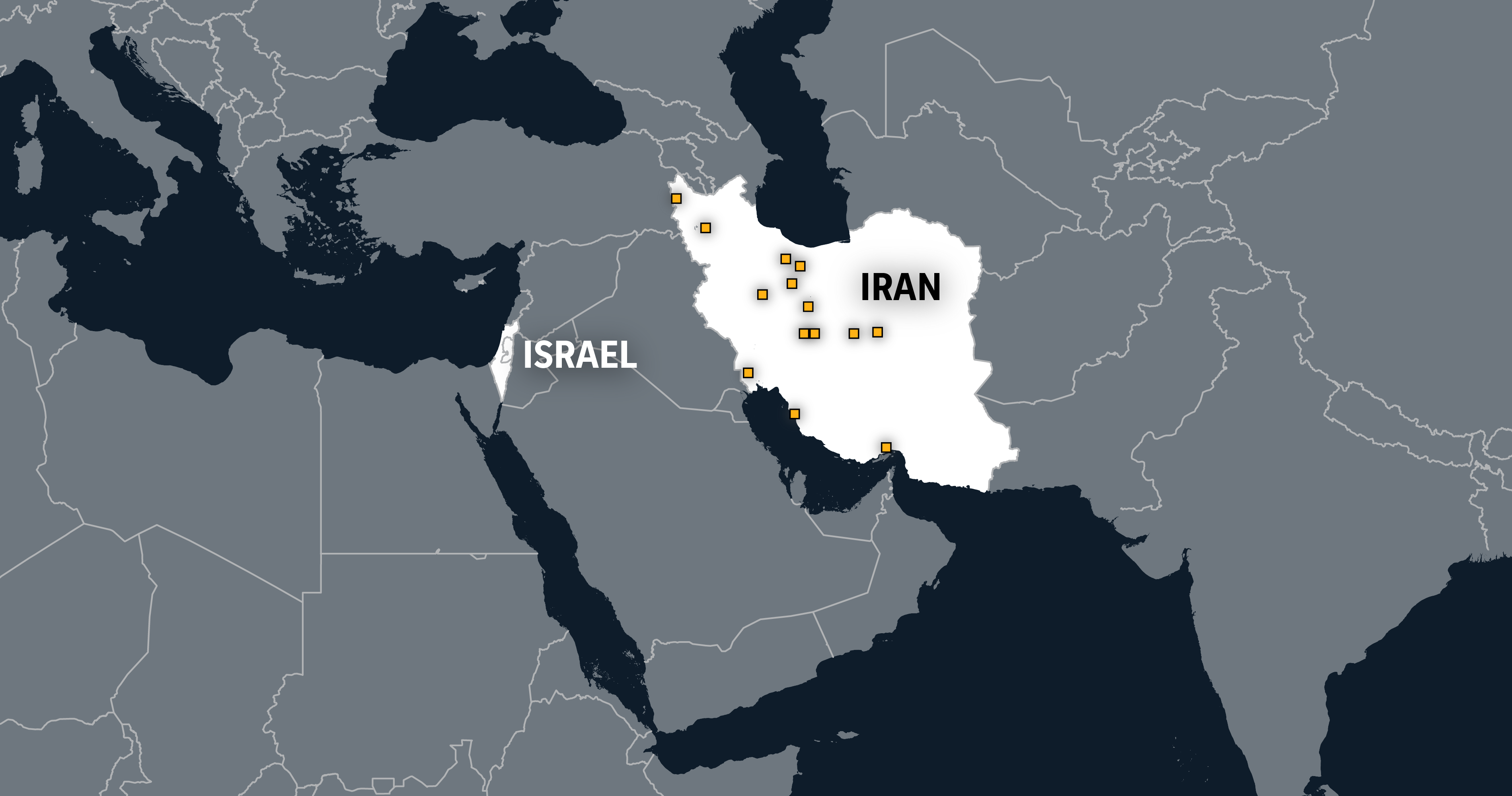
On Saturday, joint airstrikes by Israeli and American forces targeted the Bushehr region in Iran, where one of the main nuclear facilities is located. These strikes resulted in the death of a security personnel, while official reports stated that the facilities suffered no significant damage.
Earlier, Iranian forces announced that they had shot down an F-15E fighter jet amidst escalating military tensions in the region. This escalation comes at a sensitive time, as fears grow over the potential for conflict in the Middle East.
Details of the Incident
The Bushehr region is considered a strategic area in Iran, housing the Bushehr nuclear power plant, which is a crucial part of Iran's nuclear program. Reports indicate that the airstrikes targeted sites near this facility, raising concerns from the Iranian government and prompting swift reactions from the Iranian military.
It is noteworthy that these airstrikes occur against the backdrop of increasing tensions between Iran and the United States, especially following the latter's withdrawal from the nuclear agreement in 2018. These events have led to heightened military tensions in the region, threatening regional security.
Background & Context
Historically, the Middle East has been a theater for multiple conflicts, where regional and international interests intersect. Since the Iranian Revolution in 1979, relations between Iran and the West have been marked by ongoing tensions, particularly with the escalation of Iran's nuclear program. Numerous attempts have been made to reach agreements aimed at reducing tensions, but these efforts have often failed.
In recent years, Israel has intensified its military operations against what it perceives as threats from Iran, especially concerning its support for armed groups in the region. Additionally, the United States, under the current administration, has taken more aggressive steps against Iran, increasing the likelihood of military escalation.
Impact & Consequences
These airstrikes represent a serious escalation in the conflict between Iran and the United States and its allies. They could provoke military responses from Iran, increasing the likelihood of a widespread conflict in the region. Furthermore, these events may negatively impact oil prices and financial markets, which are significantly affected by geopolitical tensions.
Moreover, the escalation of tensions in the region could affect regional security, as other countries may seek to bolster their military capabilities in response to potential threats. This could lead to a new arms race in the Middle East, complicating security situations further.
Regional Significance
The events in Iran have a direct impact on Arab countries, especially those sharing borders or economic ties with Iran. The increasing tensions could lead to heightened sectarian divisions in the region, negatively affecting internal stability in many Arab nations.
Arab countries may find themselves compelled to deal with the repercussions of these airstrikes, whether through enhancing security cooperation or seeking diplomatic solutions to reduce tensions. In this context, some Arab nations may seek to play a mediating role in an attempt to ease the conflict.
In conclusion, these events underscore the importance of dialogue and regional and international cooperation to achieve stability in the Middle East. Military escalation will only lead to further crises, necessitating the search for peaceful solutions.