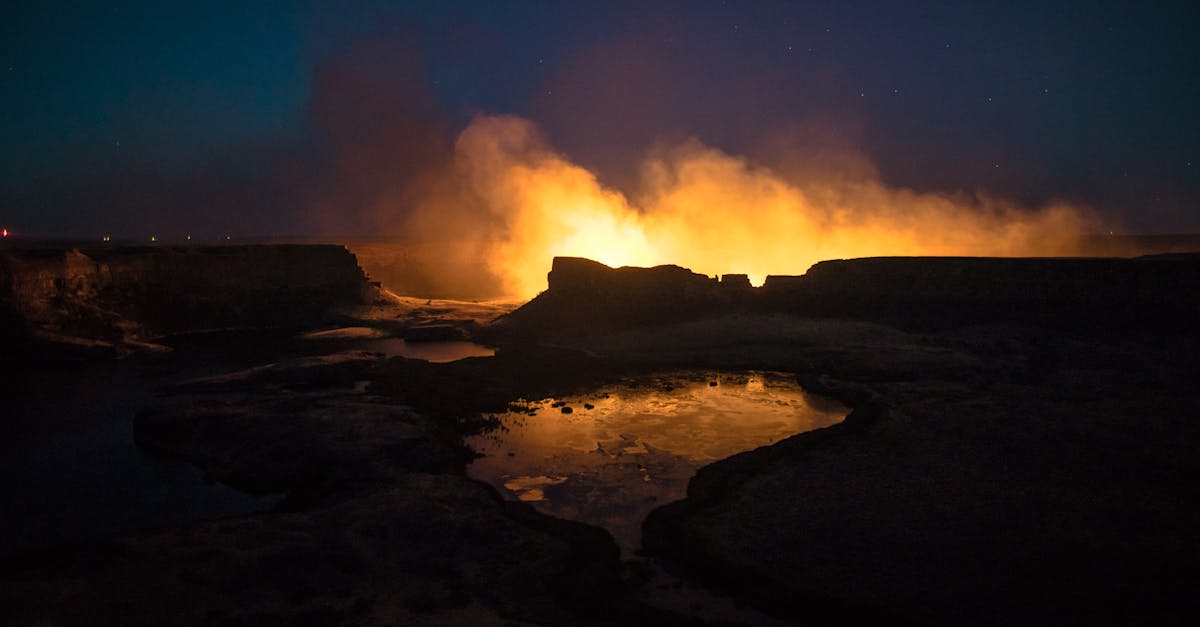
In an unprecedented military escalation, Israeli and American forces launched airstrikes on Khorramshahr Island, which is considered a strategic hub for Iran's oil industry. The Iranian news agency "Mehr" reported that several explosions were heard in the area, indicating the scale of the attack and its potential impact on Iran's oil production.
These developments come at a critical time, as Iran has threatened to take actions that could deprive the "United States and its allies" of oil and gas for extended periods. These threats reflect rising tensions in the region, especially following a series of events that have intensified the conflict between Iran and the West.
Details of the Event
Reports indicate that the airstrikes targeted vital facilities in Khorramshahr, which is one of the largest oil production centers in Iran. The attacks followed a series of military skirmishes between Iranian forces and American troops in the region, increasing the likelihood of an escalation in the conflict.
Khorramshahr is a strategic point, located near the Strait of Hormuz, which is one of the most important maritime routes for oil transportation. Control over this area means controlling a significant portion of global energy supplies, making it a primary target in any military conflict.
Background & Context
Historically, relations between Iran and the United States have seen increasing tensions since the Iranian Revolution in 1979. These tensions escalated significantly after the United States withdrew from the Iranian nuclear deal in 2018, leading to harsh economic sanctions imposed on Tehran.
In recent years, Iran has bolstered its military capabilities in the region, including the development of its missile programs and expanding its influence in Iraq and Syria. These moves have raised concerns among the United States and its allies, leading to heightened military tensions.
Impact & Consequences
The attacks on Khorramshahr could have serious repercussions for regional security. Iran is expected to respond to these airstrikes in various ways, either by targeting American forces in the region or through the use of its proxies in Iraq and Syria.
Moreover, these events may affect global oil prices, as any escalation in the region could lead to an increase in oil prices due to fears of supply disruptions. This could directly impact the global economy, especially amid current economic crises.
Regional Significance
Neighboring Arab countries, such as Iraq and Kuwait, are on high alert due to these developments. Any military escalation could affect security and stability in the region, complicating political and economic situations.
Additionally, oil-producing Arab nations may face new challenges amid rising oil prices, which could impact their economic development plans.
The escalation of events in Khorramshahr reflects the increasing tensions in the Gulf region, necessitating international attention to ensure regional stability and protect global energy supplies.