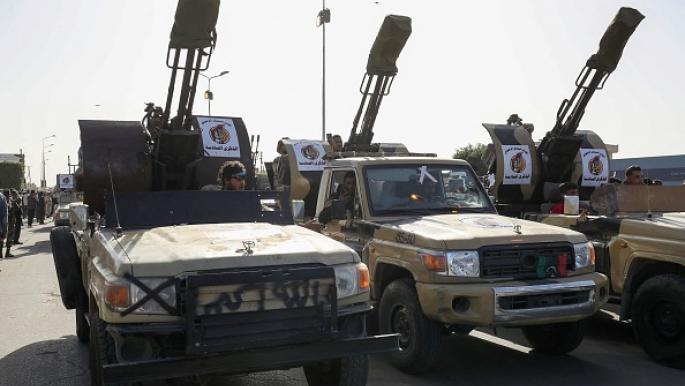
The city of Sirte in Libya is preparing to host part of the 'Flintlock' 2026 military exercises, organized by the U.S. special operations forces under the Africa Command. These exercises come at a critical time as various parties in Libya seek to enhance security cooperation and unify efforts to address increasing security challenges.
The 'Flintlock' exercises are among the largest military training events organized in Africa, bringing together forces from different countries, which contributes to strengthening military capabilities and cooperation among participating nations. It is expected that forces from both Eastern and Western Libya will participate in these exercises, reflecting the parties' desire to overcome the political and military divisions that the country has been suffering from.
Details of the Event
The 'Flintlock' 2026 exercises will include a series of training activities aimed at enhancing coordination among different military forces. The drills will feature simulations to confront security threats and facilitate the exchange of expertise among participating forces. These exercises will also provide an opportunity to develop individual skills and enhance teamwork among military units.
This initiative is part of the United States' efforts to bolster security and stability in the North Africa region, where Libya is considered a strategic point. These exercises are expected to improve the level of coordination among Libyan forces and enhance their capabilities to face security challenges.
Background & Context
Historically, Libya has experienced internal conflicts since the overthrow of Muammar Gaddafi in 2011, leading to the division of the country into warring factions. With the rise of security threats, including terrorism and drug trafficking, it has become essential to enhance cooperation among different forces. Military exercises, such as 'Flintlock', have played a significant role in fostering this collaboration.
Sirte is considered a symbol of division in Libya, having been the scene of numerous battles during the conflict. However, its hosting of joint military exercises may reflect a positive shift towards cooperation among the various parties, potentially contributing to achieving stability in the country.
Impact & Consequences
The 'Flintlock' exercises are expected to have positive effects on the security situation in Libya. The cooperation between forces from the East and West of the country may help build trust among the different parties and enhance the prospects for achieving peace and stability. Additionally, these exercises could encourage the international community to support efforts to rebuild Libya and strengthen its security capabilities.
Despite the significant challenges facing Libya, these exercises represent an important step towards achieving security and stability. They also reflect the international community's commitment to supporting Libya in addressing security threats.
Regional Significance
Libya is part of the North African region, which faces increasing security challenges. Enhancing military cooperation among countries in this area can have a positive impact on regional security. Security challenges, such as terrorism and drug trafficking, require a collective response from the concerned nations.
The success of the 'Flintlock' exercises may encourage other countries in the region to strengthen security cooperation, contributing to greater stability in North Africa. These exercises could also serve as a model for other nations facing similar challenges.
In conclusion, the 'Flintlock' 2026 exercises represent an opportunity to enhance security cooperation in Libya and could be a step towards achieving stability in the country. The success of these exercises may open new avenues for cooperation among countries in the region, contributing to addressing shared security challenges.