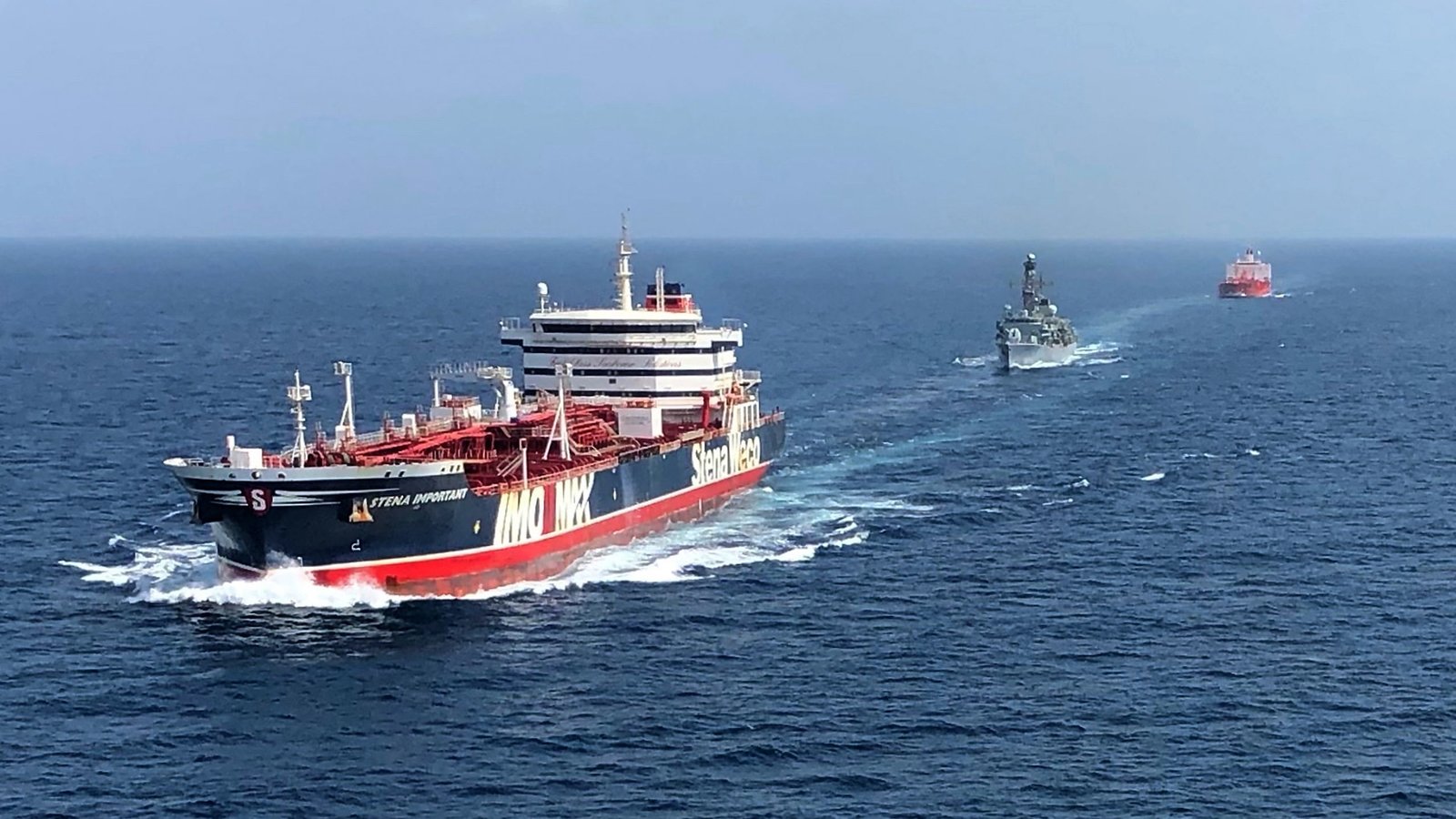
The United Arab Emirates, supported by several other countries, has issued a joint statement expressing concern over recent developments in the Hormuz Strait, emphasizing the importance of securing maritime navigation in this vital region. The statement comes at a time when the area is experiencing increasing tensions, necessitating urgent international action to maintain security and stability.
The Hormuz Strait is a crucial transit point for approximately 20% of the world's oil, making any threat to navigation security directly impactful on the global economy. The signatory countries have stressed the need to enhance security cooperation and information sharing to address any potential threats.
Details of the Incident
The joint statement was issued following a series of maritime incidents in the region, which raised significant concerns regarding the safety of commercial vessels. The signatory countries include the UAE, Saudi Arabia, and Bahrain, along with other nations in the region. The statement highlighted the importance of dialogue and cooperation among nations to ensure safe navigation.
It was also emphasized that international laws and maritime agreements must be respected, as any violation of these laws could escalate tensions in the region. The statement reflects the commitment of the concerned countries to maintain security and stability in the Hormuz Strait, which is a vital artery for the global economy.
Background & Context
The Hormuz Strait is a narrow waterway separating Iran and Oman and is considered one of the busiest maritime passages in the world. For decades, the region has witnessed political and military tensions, particularly between Iran and Western countries. In recent years, these tensions have escalated with increased military activities in the area, affecting maritime traffic.
In 2019, the region experienced a series of attacks on oil tankers, prompting countries to bolster their military presence in the area. These events raised concerns within the international community, with many nations calling for the necessity of securing navigation in the Hormuz Strait.
Impact & Consequences
Recent developments in the Hormuz Strait could have significant impacts on global oil markets. Any escalation in tensions may lead to rising oil prices, affecting the global economy. Oil-importing countries may face challenges in securing their supplies, potentially leading to increased transportation costs.
Moreover, the ongoing tensions in the region could result in increased military spending by the concerned countries, which may affect their national budgets. Under these circumstances, it becomes essential to enhance regional and international cooperation to ensure security and stability in the area.
Regional Significance
Tensions in the Hormuz Strait directly affect neighboring Arab countries, as any escalation could lead to economic and political repercussions. Gulf countries, which heavily rely on their oil exports, may face significant challenges if these tensions continue.
Additionally, the situation in the Hormuz Strait could impact relations between Arab countries and Iran, as any escalation may widen the gap between these nations. It is crucial for Arab states to promote dialogue and cooperation to avoid any escalation in the region.
In conclusion, the joint statement issued by the UAE and other countries reflects the importance of securing navigation in the Hormuz Strait and indicates the necessity of enhancing regional and international cooperation to address the increasing security challenges in the area.