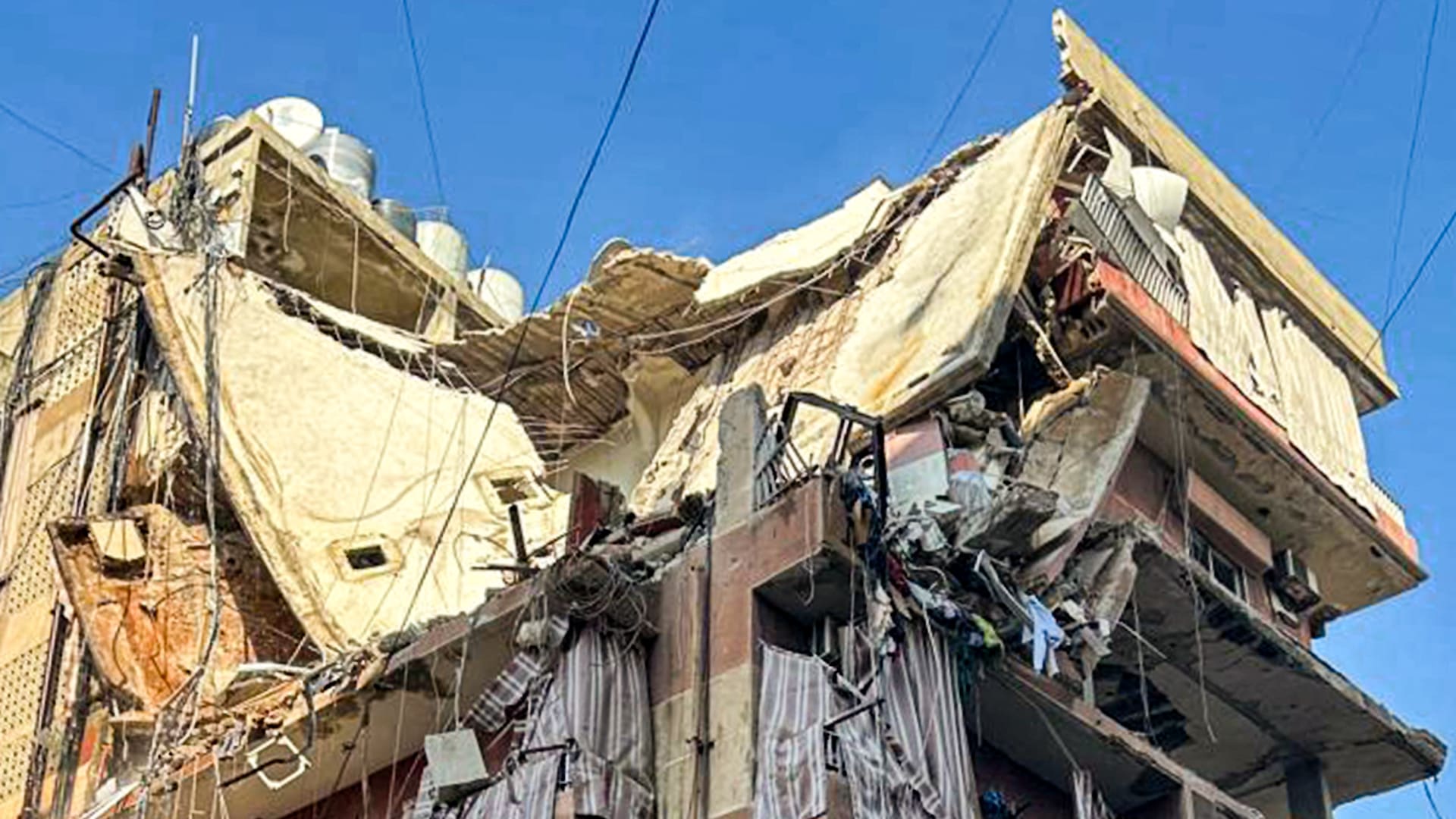
A joint airstrike between the United States and Israel has resulted in the deaths of two individuals and injuries to two others at a cement factory in the Iranian city of Firoozabad. This attack comes at a sensitive time, as the region is experiencing increasing tensions between Iran and its allies on one side, and the United States and Israel on the other.
The Iranian Students' News Agency reported that the strike targeted the cement factory in the city, causing significant damage to the facility. Further details regarding the nature of the attack or the specific targets behind it have yet to be clarified.
Details of the Incident
This airstrike is considered one in a series of attacks targeting Iranian facilities, raising fears of military escalation in the region. The attack on the cement factory reflects the US-Israeli strategy aimed at undermining Iranian capabilities across various sectors, including industry.
In recent years, Iran has witnessed several similar attacks, targeting vital facilities such as refineries and factories. These strikes raise questions about the strategic objectives behind them, and whether they aim to weaken the Iranian economy or undermine its military capabilities.
Background & Context
The roots of the current tensions between Iran and the United States trace back to Washington's withdrawal from the Iranian nuclear deal in 2018, which led to the imposition of severe economic sanctions on Tehran. Since then, military activities in the region have intensified, as Iran seeks to bolster its influence in the Middle East.
Israel is one of the most prominent opponents of the Iranian nuclear program and has carried out several military operations against Iranian targets in Syria and Lebanon. These operations reflect Israeli concerns over the possibility of Iran acquiring nuclear weapons and are part of its strategy to defend itself.
Impact & Consequences
The attack on Firoozabad could escalate tensions between Iran, the United States, and Israel, threatening stability in the region. Iran may take retaliatory measures, either by targeting American or Israeli interests in the area or by enhancing its military capabilities.
This attack may also affect relations between Iran and European countries, which are striving to maintain the nuclear deal. These countries may find themselves in a difficult position, having to balance support for Iran with a rejection of military escalation.
Regional Significance
The Arab region is experiencing direct impacts from these tensions, as many Arab nations view Iran as a threat to their national security. Military escalation could lead to increased divisions among Arab countries, as positions toward Iran vary between supporters and opponents.
Moreover, any military escalation could affect oil prices and financial markets, negatively impacting Arab economies that heavily rely on oil exports. Therefore, Arab nations are closely monitoring developments in Iran and their implications for regional stability.