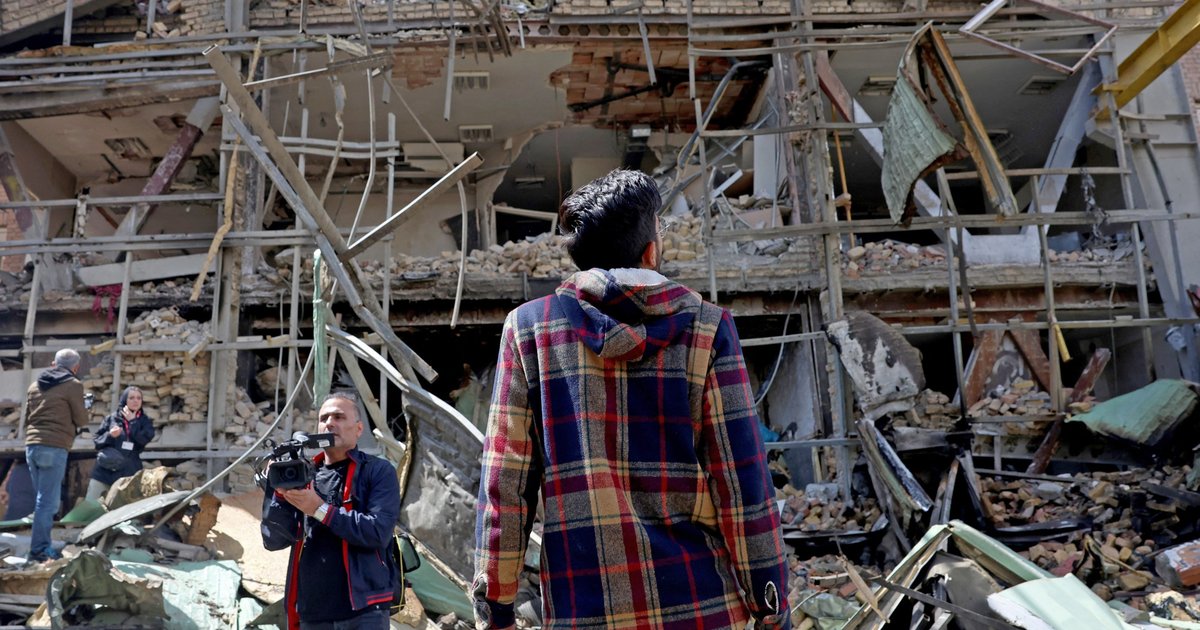
A joint airstrike by the United States and Israel on a petrochemical plant in the city of Mahshahr, located in southwestern Iran, resulted in one death and several injuries, as announced by the governor of Khuzestan. The attack, which occurred late yesterday, has sparked widespread concern regarding the rising tensions in the region.
In an official statement, the special economic zone for petrochemicals reported that it managed to control the fire that broke out as a result of the attack, indicating that the damage was relatively limited. However, the incident reflects a serious escalation in the ongoing conflict between Iran and its allies on one side, and the United States and Israel on the other.
Details of the Incident
The attack on the plant came at a sensitive time, as tensions between Iran and the West are increasing due to Tehran's nuclear program. The governor of Khuzestan noted that the victims were transported to the hospital for treatment, while investigations are still ongoing to determine the circumstances of the attack.
The Mahshahr area is considered one of the most important industrial regions in Iran, housing numerous factories that produce petrochemical materials. The attack on such a vital facility raises questions about the strategic objectives behind it and whether it is part of a broader plan to undermine the Iranian economy.
Background & Context
Historically, relations between Iran and the United States have seen increasing tensions, especially after Washington's withdrawal from the Iranian nuclear deal in 2018. Since then, the United States has imposed severe economic sanctions on Iran, significantly impacting its economy. In response, Iran has sought to enhance its military and defense capabilities, further intensifying the conflict in the region.
Attacks on vital facilities in Iran are not new, as the country has faced several similar attacks in recent years, reflecting the ongoing struggle between regional and international powers. These events place the region in a state of instability, raising fears of potential military escalation.
Impact & Consequences
The recent attack may lead to heightened tensions between Iran and its allies on one side, and the United States and Israel on the other. Iran may respond to this attack in various ways, either by increasing its military activities or by targeting American interests in the region.
This attack could also impact global oil markets, as any escalation in the region may lead to rising oil prices. Iran is considered one of the largest oil producers in the world, and any disruptions in its production could affect global supplies.
Regional Significance
Considering the potential impact of this attack on the Arab region, Arab countries may find themselves in a sensitive position. The conflict between Iran and the United States could affect the stability of many countries in the region, especially those with close ties to Washington.
Moreover, the escalation of tensions may lead to increased sectarian divisions in the region, complicating the situations in countries like Iraq, Syria, and Lebanon, where Iran plays a significant role. Ultimately, the question remains about how regional and international powers will handle this escalation and how it will affect the future of the region.