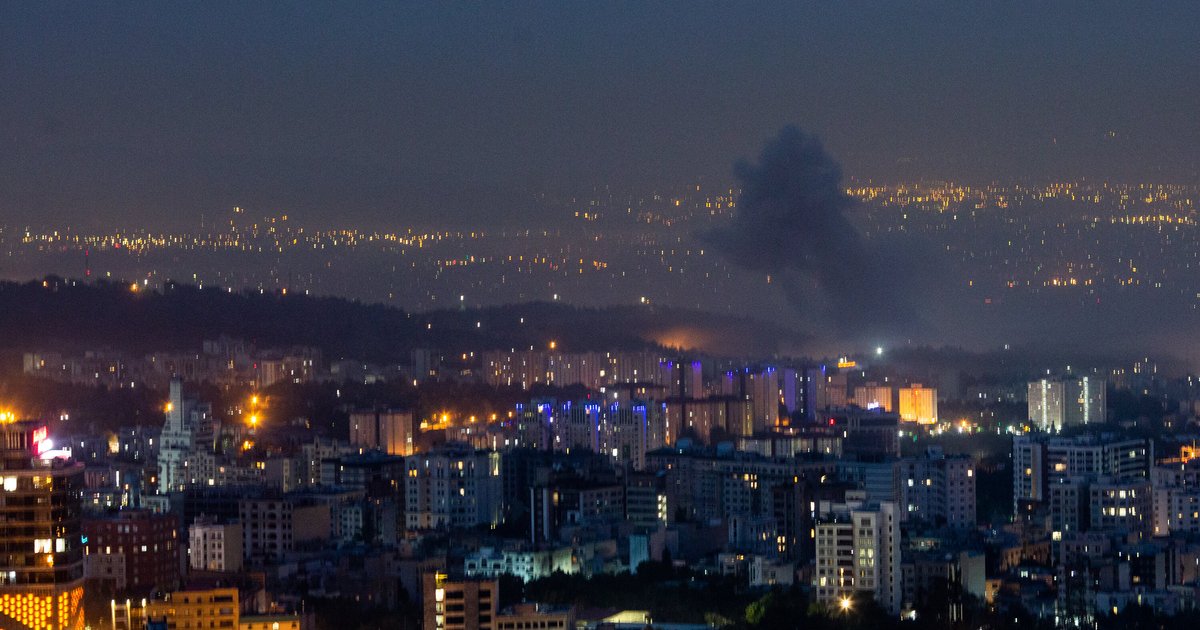
Amid escalating regional tensions, Dr. Khaled Toukan, the head of the Jordanian Atomic Energy Commission, stressed the necessity of clarifying Jordan's stance on potential nuclear threats arising from confrontations between Israel and Iran. This statement was made during a media interview, where he addressed the significance of informational fortification in countering these threats.
Toukan's remarks come at a sensitive time, as growing concerns about the possibility of a nuclear conflict in the region raise numerous questions among citizens regarding Jordan's preparedness to face such scenarios. Questions have focused on the potential damages that Jordan could incur in the event of a nuclear confrontation.
Details of the Event
During his discussion, Dr. Toukan provided technical explanations regarding nuclear capabilities, but he did not directly answer citizens' inquiries about the looming risks. He pointed out the importance of enhancing public awareness of nuclear dangers and the necessity for clear strategies to deal with any emergencies that may arise.
Additionally, Toukan highlighted the importance of regional and international cooperation in the field of nuclear energy, emphasizing that Jordan continuously seeks to bolster its national security through transparency and accurate information.
Background & Context
Historically, the region has witnessed increasing tensions between Iran and Israel, with Israel viewing the Iranian nuclear program as a threat to its national security. Conversely, Iran aims to enhance its nuclear capabilities, further intensifying regional tensions.
Jordan, located in a sensitive geographical position, strives to maintain the stability of its national security and considers that any escalation in nuclear conflict could directly affect its safety and security. Therefore, Toukan's statements are part of Jordan's efforts to understand and effectively address these risks.
Impact & Consequences
Any nuclear confrontation between Israel and Iran could lead to catastrophic consequences at the regional level, with neighboring countries potentially being directly affected. The economic and social impacts would also be significant, prompting Jordan to take proactive steps to protect its citizens.
These circumstances require Jordan to enhance its defensive strategies and improve its readiness to face any potential threats. Coordination with other countries in the region is also essential to ensure collective security.
Regional Significance
Nuclear risks are considered sensitive issues that affect all Arab countries. Regional security is closely linked to the stability of both Iran and Israel, and any escalation could destabilize neighboring nations.
Therefore, regional and international dialogue on nuclear security issues is crucial, as Arab countries must work together to confront common threats and enhance collective security.
In conclusion, the greatest challenge facing Jordan and Arab countries remains how to address the increasing nuclear risks and ensure the safety of their citizens amid rising regional tensions.