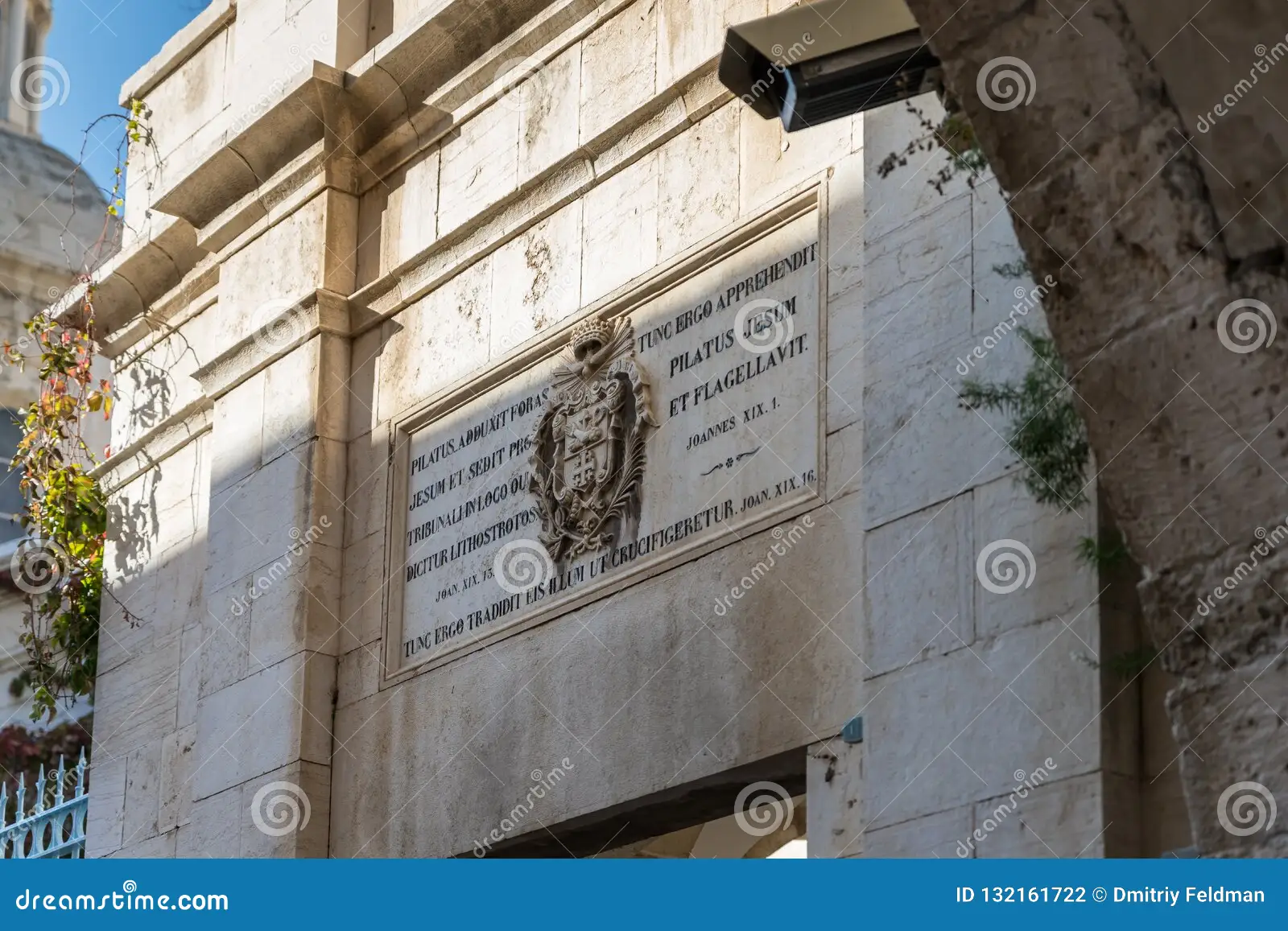
Jordan has strongly condemned the Israeli occupation's restrictions on the freedom of worship for Christians and Muslims in Jerusalem. The Jordanian Foreign Ministry stated that these measures represent a blatant violation of human rights and religious freedom, calling on the international community to intervene to protect the holy sites in the sacred city.
These statements come at a time when tensions in Jerusalem are escalating, with recent assaults on worshippers at Al-Aqsa Mosque and the Church of the Holy Sepulchre. This situation has raised deep concerns in Arab and international circles, as both Al-Aqsa Mosque and the Church of the Holy Sepulchre are significant religious symbols for both faiths.
Details of the Incident
Reports indicate that the Israeli occupation has imposed strict restrictions on the entry of worshippers to Al-Aqsa Mosque, especially during religious holidays and occasions. There have also been recorded cases of arrests of worshippers attempting to reach their places of worship. These measures come at a sensitive time, coinciding with increased calls from extremist groups to storm Al-Aqsa Mosque.
In this context, the Jordanian Foreign Ministry emphasized that any infringement on the historical and legal status quo in Jerusalem would exacerbate the situation and heighten tensions in the region. It stressed the necessity of respecting the freedom of worship for all religions.
Background & Context
Jerusalem is considered one of the most sensitive cities in the world, as it encompasses the three Abrahamic religions: Islam, Christianity, and Judaism. Throughout history, the city has witnessed numerous conflicts due to its religious and political significance. Since the Israeli occupation of East Jerusalem in 1967, violations against Islamic and Christian holy sites have increased, leading to a deterioration of the situation between Palestinians and Israelis.
In recent years, assaults on holy sites have escalated, provoking angry reactions from Palestinians and Arab countries. Al-Aqsa Mosque is seen as a symbol of Palestinian identity, and any attempt to harm it is considered a red line.
Impact & Consequences
The Jordanian statements underscore the importance of maintaining the status quo in Jerusalem, as any changes could lead to an escalation of violence in the region. Many observers have warned that the continuation of these violations could spark a new uprising.
These events also affect the relations between Jordan and Israel, as Jordan is considered the custodian of Islamic holy sites in Jerusalem. Any deterioration in these relations could negatively impact stability across the entire region.
Regional Significance
The issue of Jerusalem is central to the Arab-Israeli conflict, and any violation of worship freedom there provokes widespread reactions in the Arab world. In recent days, protests have erupted in several Arab countries in response to these violations.
These events highlight the necessity of uniting Arab and international efforts to protect the holy sites in Jerusalem, as any regression in this regard could exacerbate security and political conditions in the region.
In conclusion, Jerusalem remains a symbol of peace and coexistence among religions, and the international community must work to protect the rights of worship for all faiths in the sacred city.