The Hashemite Kingdom of Jordan is confronting increasing challenges due to regional and international changes. The pressing question is whether Jordan can afford to delay its strategic decisions. As events accelerate around it, the available options for Jordan seem to be diminishing, forcing it to take decisive stances that align with the changing dynamics.
Historically, Jordan has been known for its pivotal role in the region, acting as a mediator in numerous political and security issues. However, the current circumstances, including economic crises and political pressures, place the kingdom at a crossroads that requires a reevaluation of its strategies.
Details of the Current Situation
Recently, the region has witnessed significant transformations, from conflicts in Syria and Iraq to tensions in relationships among major powers. These events put Jordan in a sensitive position, as it heavily relies on its internal stability and its ability to manage external crises.
The pressures on the Jordanian government are mounting to provide effective solutions to economic and social crises. In this context, decision-makers in Amman must seriously consider how to address these challenges, especially in light of declining external support and increasing self-reliance.
Background & Context
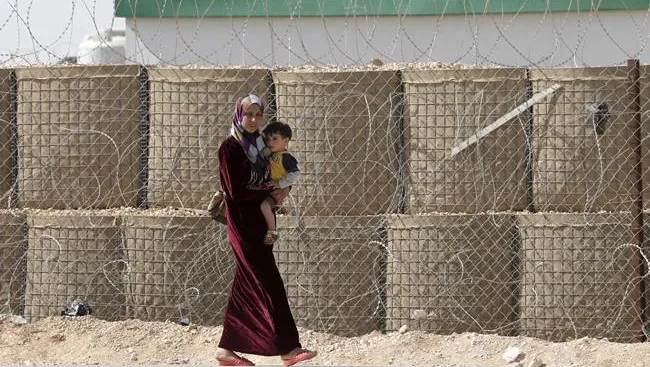
Over the decades, Jordan has faced numerous crises, starting with the Palestinian refugee influx in the 1960s and continuing with the recent flow of Syrian refugees. These crises have left deep impacts on the Jordanian economy, which suffers from high unemployment rates and slow economic growth.
Moreover, the volatile regional situation complicates matters further. Jordan, which borders countries experiencing ongoing conflicts, finds itself compelled to adapt to changing conditions, necessitating quick decisions that could affect its future.
Impact & Consequences
Delays in Jordan's strategic decision-making could exacerbate internal crises, negatively impacting its stability. If the current situation persists, Jordan may face greater challenges related to social and political security.
Additionally, a lack of rapid response to regional changes may weaken Jordan's position in international forums, reducing its chances of obtaining the external support it needs to tackle these crises.
Regional Significance
Jordan's experience serves as a model for how to handle crises, but delays in decision-making could affect neighboring countries. Jordan plays a crucial role in regional stability, and any deterioration in its situation could lead to adverse repercussions for its neighbors.
In conclusion, Jordan must take bold and swift steps to confront the challenges it faces. Delaying decision-making could have dire consequences, not only at the domestic level but also regionally.