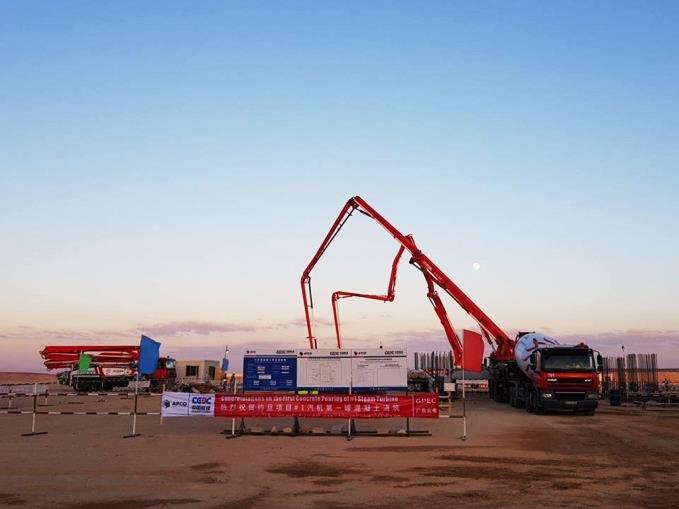
The Jordanian government is poised to take official steps to establish a new oil shale plant, a move aimed at enhancing local energy sources and reducing reliance on imports. This initiative aligns with the government's efforts to achieve energy self-sufficiency and strengthen its energy security.
The new oil shale plant is part of the government's strategy to develop the energy sector, as it seeks to exploit the natural resources available in the country. This plant is expected to create new job opportunities and stimulate economic growth in the region.
Details of the Initiative
The Jordanian government aims to establish a new oil shale plant in a resource-rich area, where suitable sites for the plant have been identified. The first phase of the project is expected to include feasibility studies and environmental assessments to ensure the desired objectives are met.
The government will also collaborate with local and international companies specializing in this field, enhancing investment opportunities in the energy sector and attracting more foreign investments. This project is part of Jordan's Vision 2025, which aims to achieve sustainable development.
Background & Context
Historically, Jordan has faced a severe shortage of energy sources, prompting the government to seek local alternatives. Oil shale represents one of the promising options, as Jordan possesses significant reserves of this resource. The government has already begun exploring these reserves for several years, but the new project marks an advanced step towards actual exploitation.
In recent years, the region has seen increased interest in renewable energy sources, prompting Jordan to consider new strategies to meet its energy needs. Establishing a new oil shale plant is part of this transition, as it could help reduce reliance on imported natural gas.
Impact & Consequences
The establishment of the oil shale plant is expected to have positive effects on the Jordanian economy, as it will provide new job opportunities and contribute to the development of local communities. Additionally, the project may help reduce energy costs in the long term, enhancing the country's competitiveness in the regional market.
Moreover, this project could improve economic relations with neighboring countries, as Jordan may become a regional hub for energy export in the future. This direction also reflects the government's desire to achieve energy independence and enhance the country's energy security.
Regional Significance
The establishment of a new oil shale plant in Jordan represents an important step in the context of Arab efforts to achieve energy self-sufficiency. Amid the economic and political challenges facing many Arab countries, such projects can serve as a model for utilizing local resources.
This project may also open avenues for regional cooperation in energy sectors, enhancing opportunities for experience and technology exchange among Arab nations. Ultimately, these efforts could contribute to strengthening economic and political stability in the region.