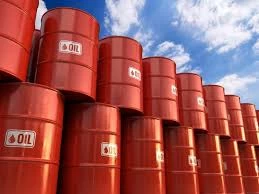
A Jordanian official announced that the Kingdom imported two million barrels of oil from Saudi Aramco via the Yanbu port, reflecting the ongoing cooperation between the two countries in the energy sector. The official stated in remarks to Al Arabiya that liquefied natural gas shipments are arriving in Jordan regularly and without any problems, indicating supply stability.
Saudi Aramco is pumping crude oil through the East-West pipeline to the Yanbu port to maintain supply flow and compensate for the near-total halt of the Strait of Hormuz due to the ongoing regional conflict. This pipeline is considered one of the most important strategic projects in the Kingdom, contributing to securing oil supplies.
Details of the Event
On March 10, Aramco reported that it is capable of pumping up to 7 million barrels per day through the pipeline, of which about 5 million barrels can be allocated for export, while the remaining is supplied to local refineries. This production capacity reflects the strength of the Saudi oil sector and its ability to meet local and international market demands.
This move comes at a time when Saudi crude oil exports via the Yanbu port are nearing the port's maximum capacity. The current war has once again highlighted the strategic importance of the East-West pipeline, which extends 1200 kilometers and is a vital artery for transporting oil to global markets.
Background & Context
The East-West pipeline was established in the 1980s following concerns about the closure of the Strait of Hormuz during the tanker war between Iran and Iraq. Since then, this pipeline has become an essential part of Saudi Arabia's oil infrastructure, allowing oil to be transported directly to the Yanbu port on the Red Sea, completely bypassing the Strait of Hormuz.
This step is part of Saudi Arabia's strategy to enhance its oil export capacity, especially amid geopolitical tensions that may affect navigation in the strait. This approach also reflects the Kingdom's commitment to securing energy supplies for global markets.
Impact & Consequences
These developments underscore the importance of cooperation between Jordan and Saudi Arabia in the energy sector, as this collaboration enhances the energy security of both countries. Additionally, importing oil from Saudi Arabia strengthens Jordan's ability to meet its energy needs, especially given the economic challenges it faces.
Moreover, the stability of oil and liquefied natural gas supplies from Saudi Arabia reflects the strength of economic relations between the two countries, potentially opening new avenues for cooperation in other areas such as investment and trade.
Regional Significance
This cooperation between Jordan and Saudi Arabia serves as a model in a region suffering from political and economic tensions. Strengthening economic relations among Arab countries can contribute to achieving stability and sustainable development in the region.
Furthermore, this collaboration may encourage other countries in the region to enhance their economic partnerships, contributing to Arab integration in the fields of energy and economy.
In conclusion, Jordan's import of two million barrels of oil from Saudi Arabia via the Yanbu port reflects the importance of economic relations between the two countries and enhances Jordan's ability to meet its energy needs amid current challenges.