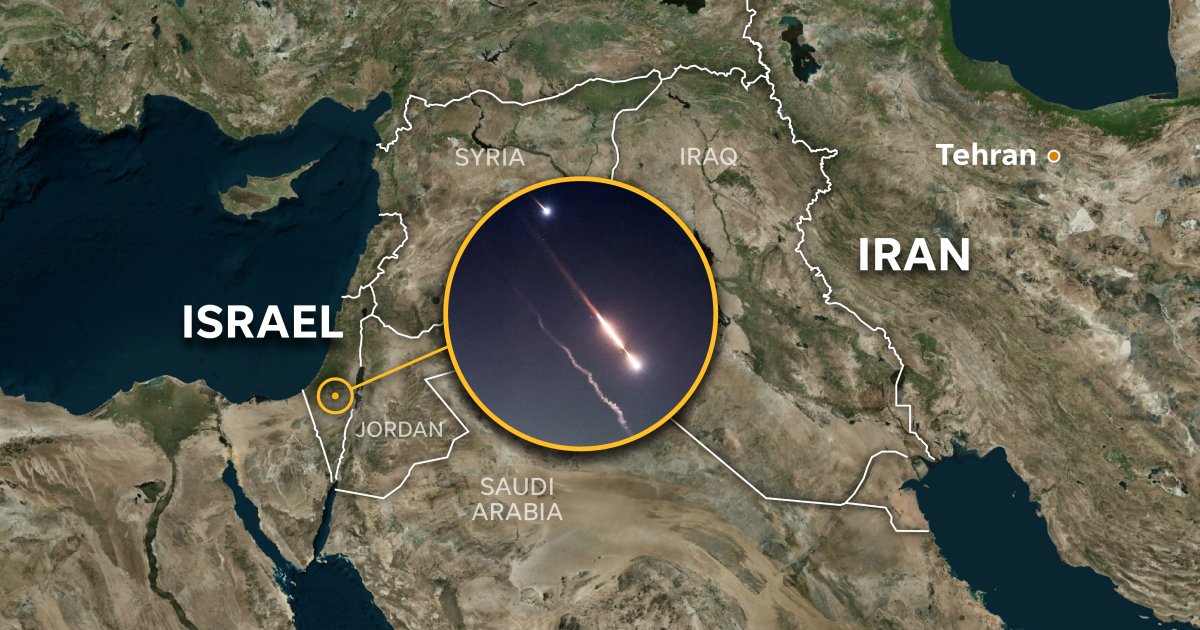
The Jordanian Armed Forces – the Arab Army, announced that the Kingdom has successfully intercepted 242 ballistic missiles and drones since the beginning of the ongoing war in the region. In the fourth week of the conflict, Jordanian forces detected 22 missiles launched from Iranian territory towards the Kingdom.
These developments come at a time when the region is experiencing significant military escalation, with rising tensions among several countries, increasing fears of the conflict escalating to unprecedented levels. This escalation reflects the security challenges faced by Jordan, especially amid the tense situation in the neighborhood.
Details of the Interception Operations
In detail, the Jordanian Armed Forces confirmed that the interception operations were successfully carried out, reflecting the readiness of the armed forces and their ability to deal with potential threats. These operations are part of a national defense strategy aimed at protecting Jordanian borders and ensuring the safety of citizens.
The official spokesperson for the armed forces indicated that these operations are part of regional and international cooperation to address security threats, as Jordan seeks to enhance its defensive capabilities through partnerships with other countries.
Background & Context
The Arab region has been witnessing military escalation for some time, with crises and conflicts overlapping in many countries. Tensions between Iran and other countries in the region have intensified, leading to fears of military escalation that could affect additional nations.
Jordan, which is considered a strategic transit point, faces significant challenges as a result of these conditions. The Jordanian borders have seen numerous security incidents, prompting the armed forces to bolster their presence along the borders and develop new strategies to confront threats.
Impact & Consequences
The potential repercussions of this military escalation are manifold, as it could affect regional stability and heighten tensions between countries. The continued launch of missiles and drones may provoke military responses from affected nations, complicating the situation further.
Moreover, these events could impact diplomatic relations between Jordan and Iran, as matters may trend towards increased tension if these attacks persist.
Regional Significance
Jordan is not the only country facing these challenges; many other Arab nations are suffering from the repercussions of regional conflicts. The escalation of tensions in the area could affect security and stability in countries such as Iraq, Syria, and Lebanon.
Additionally, the situation in the region may lead to an increase in the number of refugees and displaced persons, placing additional pressure on neighboring countries, including Jordan, which hosts large numbers of refugees.
In conclusion, the situation in the region remains tense, and the international community needs to take urgent steps to mitigate escalation and ensure security and stability in the area.