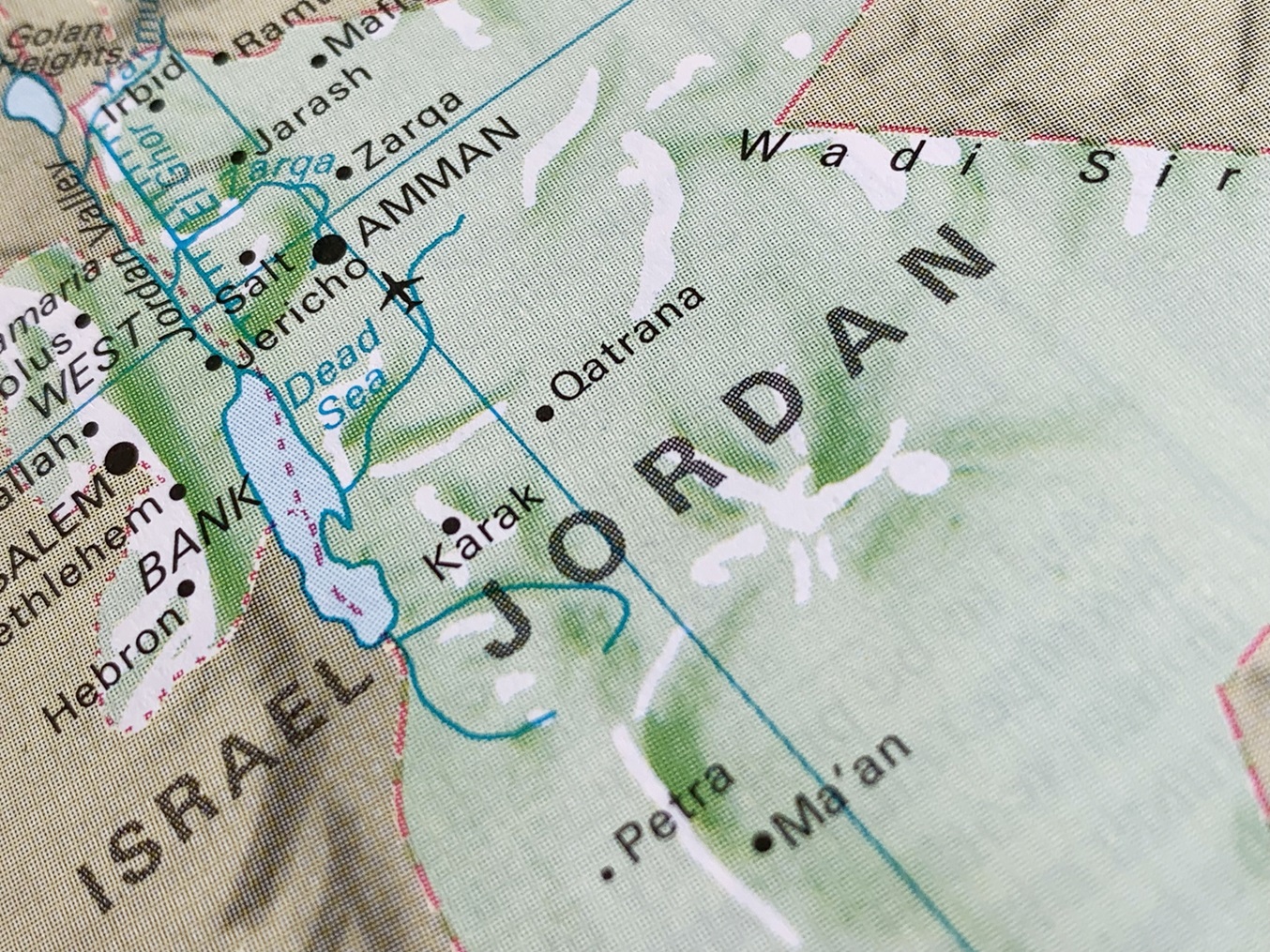
Jordan has announced its accession to the Helsinki Agreement, which aims to enhance cooperation among countries in the management of water resources. This decision comes at a time when the region is facing significant water challenges, increasing the need for effective strategies to address water scarcity.
The Helsinki Agreement, signed in 1992, provides a legal framework intended to regulate the use of transboundary water resources. Jordan's accession to this agreement reflects its commitment to cooperate with neighboring countries in water management, which is vital given the water challenges facing the kingdom.
Event Details
The Helsinki Agreement includes a set of principles aimed at ensuring the sustainable use of water resources. Among these principles are the importance of cooperation among riparian states, information exchange, and conducting joint studies on water resources. Jordanian officials have confirmed that joining this agreement will enable them to benefit from technical and financial support from member states.
However, the benefits of this accession are conditional on effective cooperation with other countries in the region. Achieving the desired goals of this agreement requires ongoing coordination among the concerned states, especially in light of political tensions that may affect water cooperation.
Background & Context
Jordan faces significant water challenges, as most of its population relies on limited water sources. Rivers and groundwater resources are the main sources of water in the kingdom, but increasing water demand due to population growth and climate change has intensified pressure on these resources. In this context, Jordan's accession to the Helsinki Agreement is a strategic step aimed at improving water management and enhancing regional cooperation.
Historically, there have been multiple attempts at water cooperation among Arab countries, but these efforts have often stumbled due to political disputes and differing interests. Nevertheless, Jordan's accession to the Helsinki Agreement may open new horizons for regional cooperation in water management.
Impact & Consequences
Jordan's accession to the Helsinki Agreement is expected to contribute to improving water resource management in the kingdom, potentially leading to better water quality and increased efficiency in its use. This accession could also enhance Jordan's ability to obtain technical and financial support from member states of the agreement, contributing to the development of new water projects.
However, the biggest challenge remains achieving effective cooperation with neighboring countries. Without genuine collaboration, the benefits of joining the agreement may remain limited. Therefore, Jordan must work on building strong relationships with its neighbors in this field.
Regional Significance
Jordan's accession to the Helsinki Agreement is an important step not only for the kingdom but for the entire Arab region. Water resources are a vital issue affecting food security and sustainable development in many Arab countries. If Jordan succeeds in achieving effective cooperation with neighboring countries, it could serve as a model for the region.
In conclusion, Jordan's accession to the Helsinki Agreement represents an opportunity to enhance regional cooperation in water management, but it requires a genuine commitment from all parties involved to ensure the desired benefits are realized.