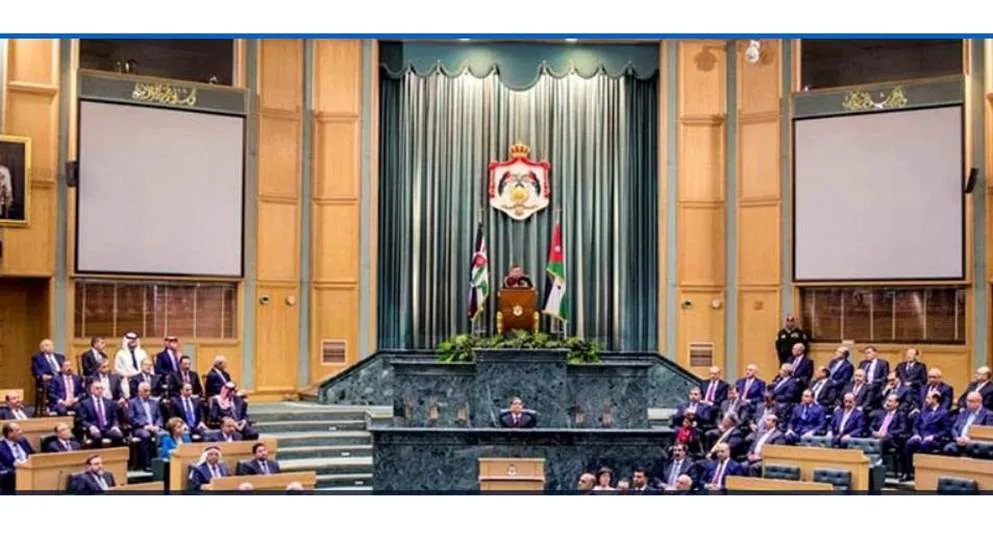
The Jordanian government intends to convene an extraordinary parliamentary session, with its agenda limited to legislating two laws concerning local governance and property rights. This step raises questions about the political message the government aims to convey, particularly in light of the shift towards a brief parliamentary term.
This decision comes at a time when the country is facing escalating economic and social challenges, making it essential to understand the political dimensions behind these legislations. The proposed amendments could directly affect the management of local affairs and property rights, prompting citizens and observers to analyze their implications.
Details of the Extraordinary Session
According to government sources, the extraordinary session will primarily address the Local Governance Law, which aims to improve local governance mechanisms and enhance citizen participation in decision-making. Additionally, the Property Rights Law will be discussed, aiming to regulate the real estate market and facilitate property-related procedures.
These laws are part of the Jordanian government's efforts to improve the business environment and boost investments; however, they come at a sensitive time when citizens are grappling with rising living costs and other economic challenges.
Background & Context
Historically, Jordan has experienced several extraordinary parliamentary sessions, often concerning more complex issues. However, the current focus on specific laws may reflect the government's desire to avoid the broader political controversies that could arise from other matters.
This move is part of the government's efforts to enhance political stability, especially given the volatile regional conditions and internal challenges. This decision has elicited mixed reactions among citizens, with some viewing it as a positive step towards improving local governance, while others see it as an attempt to sidestep more pressing issues.
Impact & Consequences
The enactment of these laws could have far-reaching effects on citizens' daily lives. Amendments to the Local Governance Law may empower local councils to make more effective decisions, potentially leading to improved public services.
On the other hand, the Property Rights Law could contribute to organizing the real estate market, which may result in increased investments in this sector. However, this must be approached cautiously to ensure that citizens' property rights are not compromised.
Regional Significance
Jordan's experience in this context serves as a model that many Arab countries facing similar challenges in local governance and property rights can benefit from. Effective legislation in this area could contribute to enhancing economic and social stability in the region.
Amid the economic and political crises faced by some Arab countries, Jordan's experience in improving local governance could be a step towards building trust between the government and citizens, which may positively reflect on regional stability.
The extraordinary parliamentary session that the Jordanian government intends to hold represents an opportunity to legislate laws that could significantly impact citizens' lives. However, the question remains about the extent to which these laws can achieve the desired change amid existing challenges.