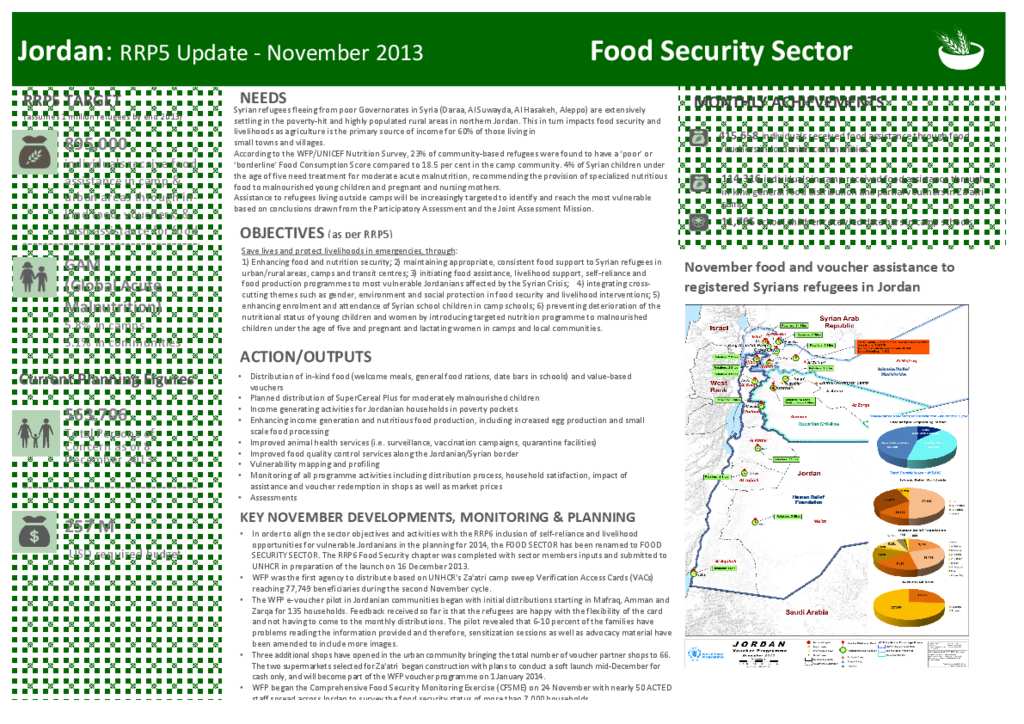
The Jordanian government has confirmed that food security is among its top priorities, stressing the importance of enhancing local production to meet citizens' needs. This statement comes amid the economic challenges facing the country, as the government seeks to achieve food stability and ensure the availability of essential goods at reasonable prices.
In light of the current global economic conditions, which have been affected by the repercussions of the COVID-19 pandemic and geopolitical crises, it has become essential for governments to adopt effective strategies to ensure food security. Jordanian officials have pointed out that boosting local production is a fundamental step in this direction, as they aim to support local farmers and provide them with the necessary facilities.
Details of the Initiative
During a press conference, the Jordanian Minister of Agriculture explained that the government is working on implementing a series of programs and initiatives aimed at increasing agricultural production and improving the quality of local products. He confirmed that there are plans to expand cultivated areas and enhance the use of modern agricultural technologies, which will contribute to increasing productivity.
The minister also highlighted the importance of collaboration with the private sector and farmers to achieve the desired goals, as workshops and training courses will be organized to equip farmers with the knowledge and skills needed to face challenges.
Background & Context
This focus on food security comes at a time when Jordan is facing multiple economic challenges, including rising unemployment rates and increasing pressure on the public budget. These challenges have led to a greater reliance on food imports, making the country vulnerable to fluctuations in global prices.
Historically, food security has played a pivotal role in the stability of societies, as food crises in many countries have been linked to social and political unrest. Therefore, enhancing food security is considered an investment in social and economic stability.
Impact & Consequences
If the Jordanian government succeeds in achieving its food security objectives, it will lead to an improvement in the standard of living for citizens and an increase in trust in the government. Additionally, boosting local production will help reduce reliance on imports, thereby enhancing the country’s economic independence.
However, challenges remain, as significant investments in agricultural infrastructure and the development of supportive policies for farmers are required. There must also be a swift response to climate changes affecting agricultural production.
Regional Significance
Food security is a vital issue in the Arab region, where many countries suffer from a shortage of food resources. Jordan's success in enhancing its food security could serve as a model for other Arab countries facing similar challenges.
In this context, Jordanian experiences could contribute to strengthening regional cooperation in agriculture and food security, enhancing the ability of Arab countries to face common challenges.
In conclusion, focusing on food security represents a strategic step towards achieving stability and sustainable development in Jordan, which requires concerted efforts between the government, the private sector, and farmers.