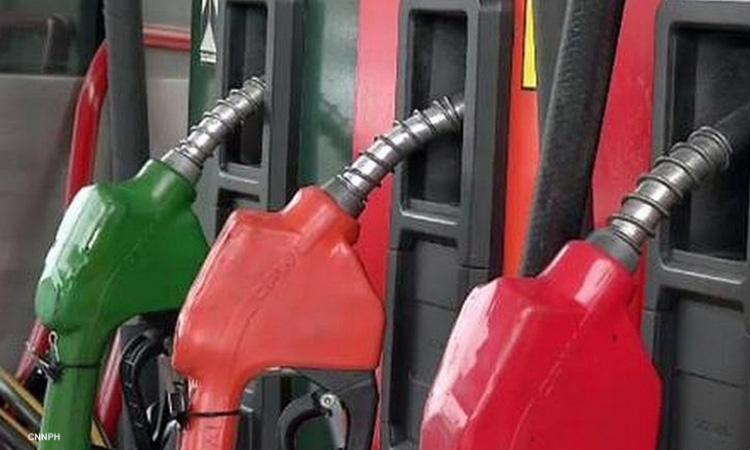
The Jordanian government has announced a decision to raise gasoline and diesel prices, setting the price of 90-octane gasoline at 1.18 dinars per liter, while 95-octane gasoline is priced at 1.30 dinars per liter. The price of diesel has been raised to 0.85 dinars per liter, while the price of kerosene remains fixed at 0.70 dinars per liter. This decision comes at a time when the country is facing increasing economic challenges.
The government aims to address the financial challenges it faces through this decision, especially in light of rising global oil prices. This decision has sparked mixed reactions among citizens, with some believing that this increase will negatively affect their purchasing power.
Details of the Price Increase
This price increase follows a series of hikes in global oil prices, which have seen significant increases in recent months. The Minister of Energy and Mineral Resources indicated that this increase is necessary to ensure the continuity of fuel supply in the local market.
The minister explained that the government is working to provide support to citizens through various programs, but the current economic conditions necessitate taking these difficult steps. This increase is expected to affect the prices of other goods and services, further increasing pressure on Jordanian families.
Background & Context
Historically, Jordan has experienced several fuel price increases, with the government adopting a policy of adjusting prices based on global oil prices. These policies have significantly impacted the daily lives of citizens, as transportation and energy costs have risen sharply.
This latest increase is part of the government's efforts to address the financial deficit, which has seen a notable rise in recent years. Additionally, the economic conditions resulting from the COVID-19 pandemic and regional conflicts have complicated the situation.
Impact & Consequences
This increase in fuel prices is expected to lead to a rise in the cost of living, which could negatively impact the local economy. Economists have warned that this increase may lead to a decline in local consumption, affecting economic growth.
Furthermore, this increase could lead to higher inflation rates, as it will affect the prices of food and services. Under these circumstances, citizens need greater government support to face these challenges.
Regional Significance
Jordan is one of the countries suffering from the repercussions of rising oil prices, as it heavily relies on energy imports. Other Arab countries, such as Lebanon and Egypt, have also experienced similar increases in fuel prices, leading to public protests in some cases.
These conditions require Arab governments to consider new strategies to ensure price stability and alleviate the burdens on citizens. At the same time, governments must enhance social support programs to assist the most affected groups.
In conclusion, the Jordanian government's decision to raise gasoline and diesel prices reflects the economic challenges facing the country and requires an effective government response to ensure that economic and social conditions do not worsen.