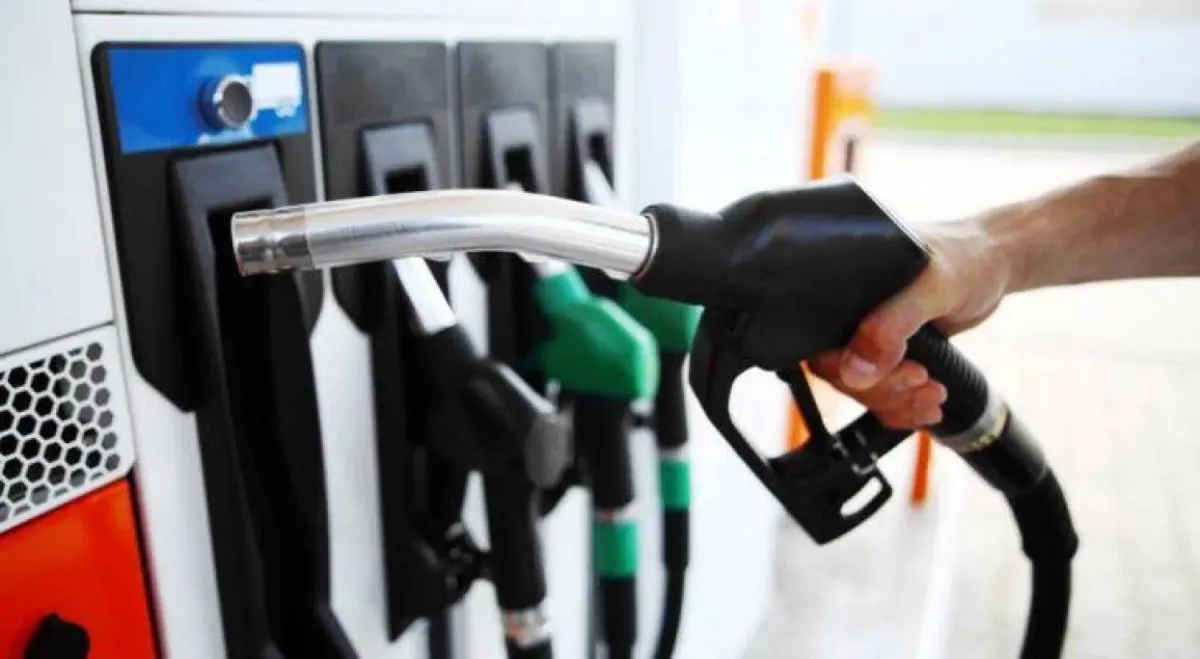
The Jordanian Oil Derivatives Pricing Committee announced on Tuesday its decision to raise fuel prices starting April 1, with the increase reaching up to 15%. This decision comes in light of changing global economic conditions.
According to the statement issued by the committee, the prices of oil derivatives after the increase will be as follows: Octane 90 gasoline will be priced at 910 fils per liter, up from 820 fils, while Octane 95 gasoline will cost 1200 fils per liter instead of 1050 fils. Diesel will be priced at 720 fils per liter, up from 655 fils per liter.
Details of the Announcement
The committee also confirmed that the price of the household gas cylinder (12.5 kilograms) will remain at 7 dinars, unchanged from the previous price, and the price of kerosene will stay at 550 fils per liter without any increase. The committee indicated that this increase does not reflect the actual costs of global prices, and the government will gradually compensate for the cost differences resulting from this decision until global prices stabilize.
The committee noted that the government has borne direct energy and electricity costs during the first month of the regional crisis due to regional events, amounting to approximately 150 million dinars so far.
Context and Background
This increase in fuel prices comes at a time when the world is experiencing significant fluctuations in oil prices due to geopolitical crises, which directly affect the Jordanian economy. The Jordanian government has tried in recent times to contain the impact of these increases on citizens; however, global economic pressures have forced the committee to make this decision.
It is worth noting that the government did not reflect the full increases in local prices, as it reflected about 37% of the actual increase on Octane 90 gasoline, about 55% on Octane 95 gasoline, and about 14% on diesel, while the increase on kerosene was fully contained.
Impact and Consequences
This increase in fuel prices is expected to affect the cost of living in Jordan, as citizens will face additional pressures due to rising transportation and essential goods prices. This decision may also lead to an increase in inflation rates, negatively impacting citizens' purchasing power.
This increase may also affect the transportation sector, as transport owners are expected to raise their service prices, adding financial burdens on citizens. Given the current economic conditions, the government may consider taking further measures to support the most affected groups by this increase.
Regional Significance
This increase in fuel prices in Jordan coincides with a similar rise in energy prices in many Arab countries, where governments face significant challenges in managing oil derivative prices amid global fluctuations. This situation reflects the urgent need for Arab countries to diversify energy sources and enhance economic sustainability.
At the same time, these increases may exacerbate economic crises in some countries, necessitating greater coordination among Arab nations to collectively address these challenges.
In conclusion, the Jordanian government must monitor the impact of this increase on citizens and take necessary measures to mitigate its negative effects.