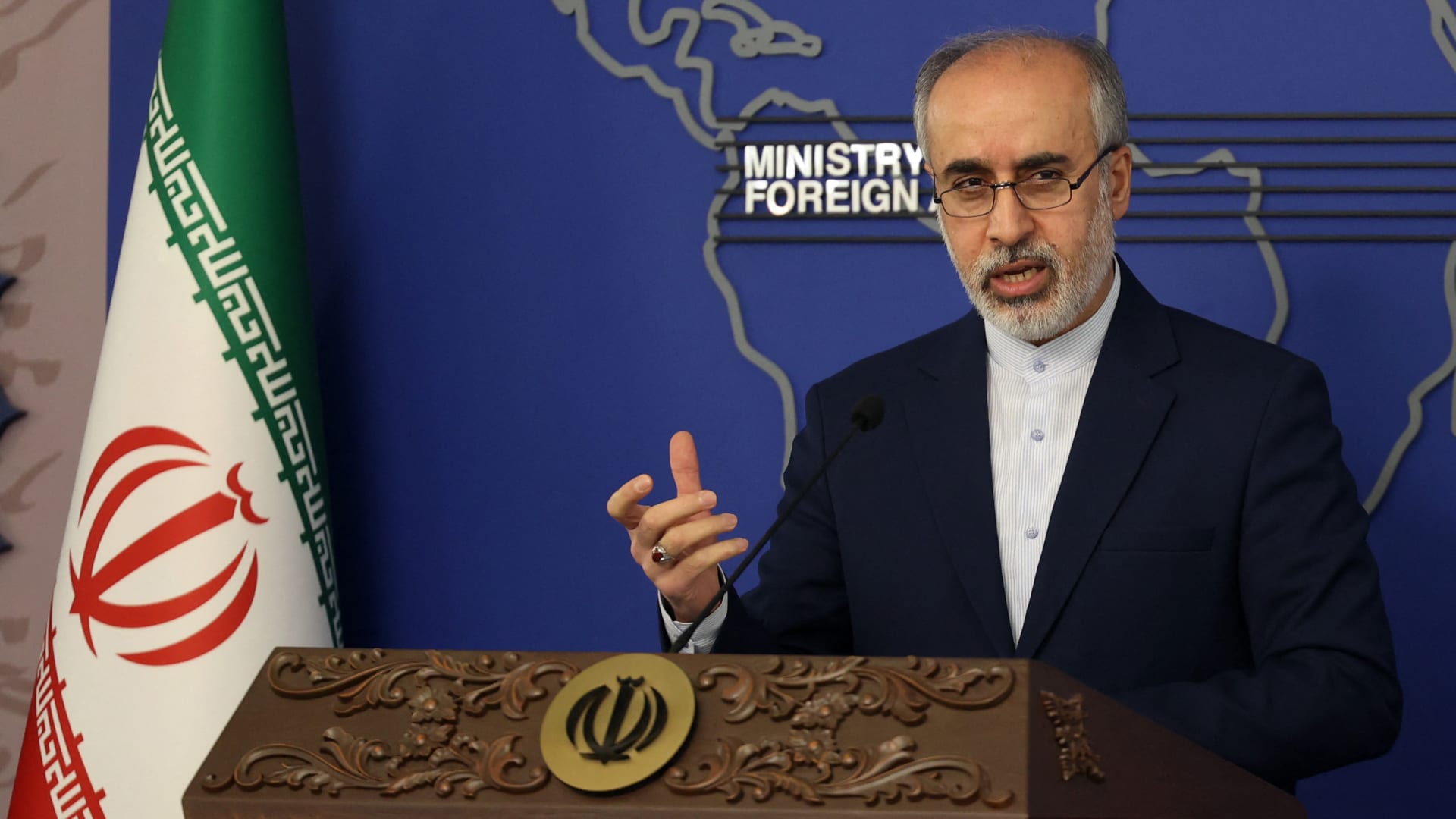
Jordan's Foreign Minister Ayman Safadi recently declared that the Jordanian government has made a decision to refuse the extension of residency for an Iranian diplomat in Amman, as well as to deny accreditation for another Iranian diplomat. This decision comes at a time when the region is witnessing escalating tensions, with Iran continuing to carry out military strikes targeting Jordan and Gulf countries in response to Israeli and American attacks on its territory.
In an interview with the official channel "Al-Mamlaka", Safadi confirmed that this decision reflects Jordan's steadfast policy in dealing with regional challenges, noting that the country seeks to maintain its stability and security amid changing circumstances.
Details of the Decision
This step coincides with rising tensions between Iran and the United States, as Iran faces increasing pressure from the Western alliance. Recent weeks have seen an escalation in Iranian military operations, raising concerns among neighboring countries, including Jordan. Safadi pointed out that Jordan is closely monitoring the situation and is taking necessary measures to protect its national security.
Safadi also added that Jordan is committed to its firm stance in supporting regional security and will not hesitate to make decisions that ensure the safety of its territory and citizens. This decision is seen as part of Jordan's strategy to address potential threats from the Iranian neighborhood.
Background & Context
Historically, Jordanian-Iranian relations have been tense, with Jordan viewing Iran as a potential threat to its national security. In recent years, there has been an increase in Iranian activities in the region, including support for militias in Iraq and Syria, which has heightened concerns among neighboring Arab countries.
This Jordanian decision is part of a broader policy aimed at enhancing security cooperation with Gulf and other Arab countries in the face of common challenges. It also reflects Jordan's desire to maintain good relations with major powers in the region, including the United States.
Impact & Consequences
This move could lead to increased tensions between Jordan and Iran, as Tehran may respond to this decision by ramping up pressure on Amman. Additionally, this decision may affect Jordan's relations with other countries in the region, especially those seeking to improve ties with Iran.
On the other hand, this decision may strengthen Jordan's position in international forums, showcasing its commitment to regional security and its readiness to face challenges. It could also open avenues for enhanced cooperation with other countries that share Jordan's concerns regarding Iranian activities.
Regional Significance
This Jordanian decision represents a turning point in regional relations, reflecting the increasing divide between Arab countries and Iran. While some countries seek to improve relations with Tehran, Jordan remains cautious, which may affect the dynamics of relationships in the region.
Moreover, this decision could contribute to strengthening Arab alliances against Iranian threats, potentially leading to the formation of new fronts in the regional conflict. Under these circumstances, the future of Jordanian-Iranian relations remains unclear amid rising tensions in the region.