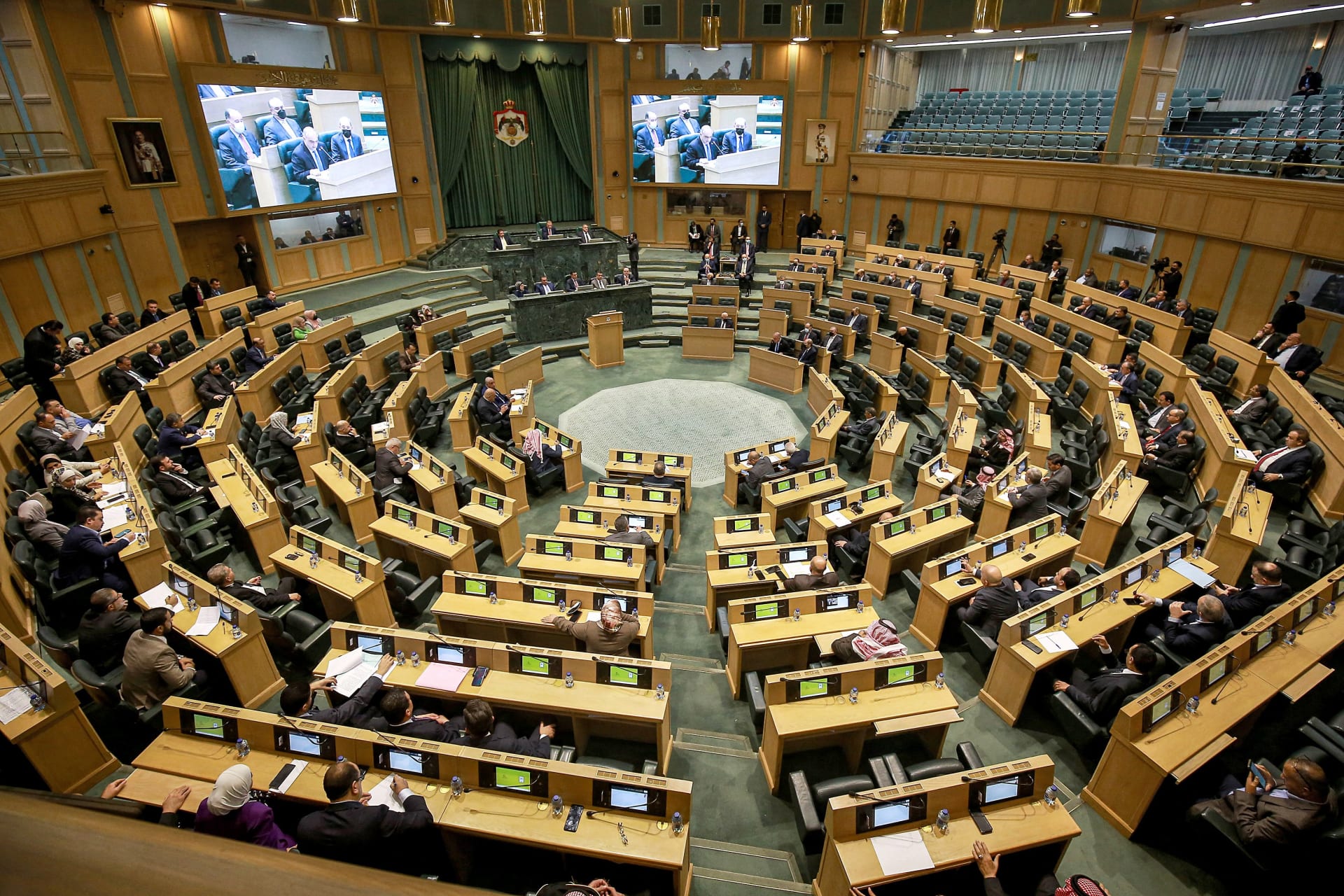
In a strategic shift, the Jordanian government has altered its political and mobilization discourse towards the public in light of military crises over the past few days. There has been a noticeable withdrawal from detailed discussions about the literature of war, replaced by a procedural and bureaucratic tone that focuses on addressing logistical challenges and supply chains.
This new approach reflects the government's desire to reduce anxiety and confusion among citizens, instead focusing on how to capitalize on the economic crises that may arise from military tensions in the region. Reports have indicated that the government is seeking to bolster the local economy by leveraging available opportunities amid difficult circumstances.
Details of the Shift
As military tensions escalate in the region, it appears that the Jordanian government has made a strategic decision to minimize discussions about war and its implications. Instead, it is concentrating on logistical and economic aspects, reflecting a shift in how it manages crises. This approach may have far-reaching effects on how the government interacts with the public during times of crisis.
The government's new strategies include focusing on improving supply chains, which is vital to ensuring the continuity of essential services and goods in the country. There are also efforts to increase investments in sectors that can benefit from the crises, reflecting the government's desire to turn challenges into opportunities.
Background & Context
Historically, Jordan has faced numerous military and political crises that have impacted the country's stability. With the increase in regional crises, it has become essential for the Jordanian government to take proactive steps to address these challenges. In recent years, Jordan has witnessed an influx of refugees from neighboring countries, which has added pressure on the local economy.
In this context, the change in government discourse comes as part of a comprehensive strategy aimed at enhancing internal stability. The government hopes that this approach will help build greater trust among citizens and strengthen cooperation among various economic sectors.
Impact & Consequences
This shift in government discourse may have significant implications for how citizens respond to crises. Instead of fear and anxiety, citizens may feel that there is a clear plan to address challenges, which could contribute to enhancing social stability.
Additionally, the focus on economic aspects may open new avenues for investment, helping to improve the economic situation in the country. However, the greatest challenge remains how to balance security and economic stability under the current conditions.
Regional Significance
Jordan's experience in crisis management is a model that many Arab countries facing similar challenges can benefit from. As military and economic crises increase in the region, it becomes essential for governments to adopt flexible and effective strategies to address these challenges.
The success of Jordan in turning crises into opportunities may encourage other countries to adopt a similar approach, contributing to regional stability and sustainable development.
In conclusion, the change in Jordanian government discourse represents an important step towards enhancing stability in the country. As challenges continue, hope remains pinned on the government's ability to transform crises into opportunities for growth and development.