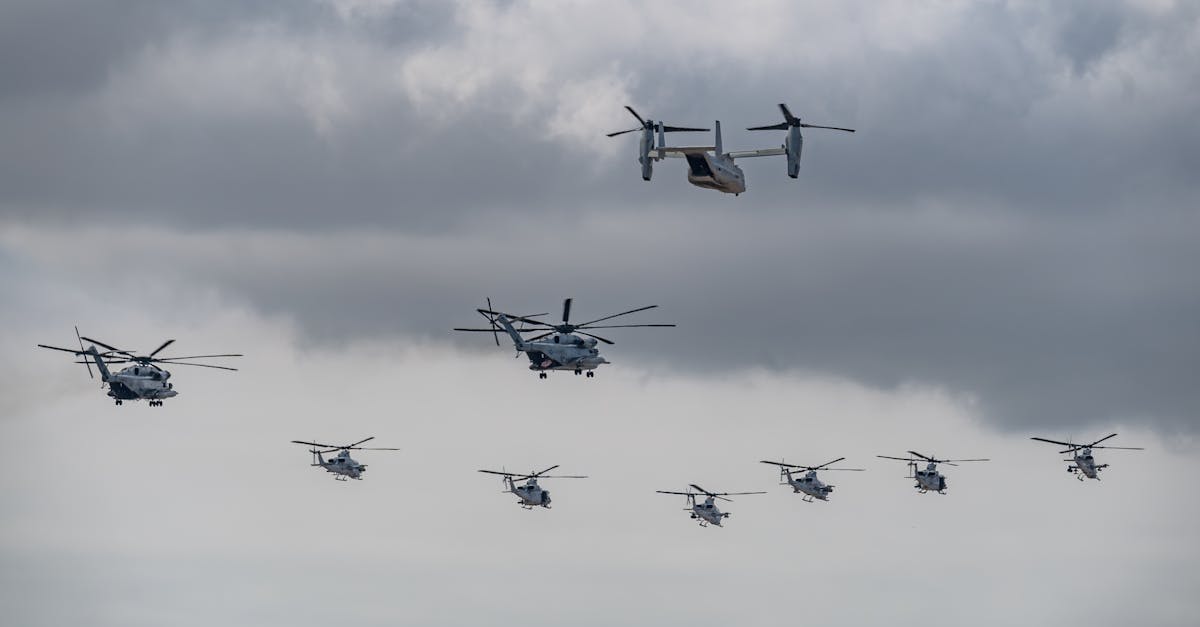
In a significant military development, the Jordanian Army has announced its interception of two Iranian drones within the last twenty-four hours. The army confirmed that it was unable to down a third drone, raising questions about the capabilities of Jordan's air defenses in the face of increasing threats.
This announcement comes at a sensitive time as the region experiences heightened tensions, with Iranian military activities on the rise in the regional airspace. Jordanian forces detected these drones at various times, reflecting the security challenges facing the kingdom.
Details of the Incident
According to official data, the two drones were intercepted in areas close to the Jordanian border, utilizing advanced technologies for drone detection. Despite the efforts made, Jordanian forces could not intercept the third drone, highlighting the urgent need to enhance defensive capabilities.
This incident is part of a series of events that have unfolded in the region, where Iranian military activities have increased, including the use of drones for reconnaissance and attacks. This situation underscores the pressing need for greater regional cooperation to confront shared threats.
Background & Context
Historically, Jordanian-Iranian relations have been marked by increasing tensions, particularly amid ongoing regional conflicts. Jordan is a key ally of the United States in the region and relies on its support to bolster its defense capabilities. In recent years, Iran has expanded its military presence in Iraq and Syria, raising Jordanian concerns about the implications for its national security.
Recent events in the region, including attacks on oil facilities in Saudi Arabia, have further intensified tensions. Jordan is working to strengthen its alliances with neighboring countries to address these challenges, viewing regional security as a fundamental part of its defense strategies.
Impact & Consequences
This incident serves as an indicator of escalating tensions in the region and may lead to increased military preparedness in Jordan. The Jordanian government may need to take additional steps to enhance air defenses, including collaboration with international allies.
Moreover, these events could affect Jordanian-Iranian relations, potentially escalating tensions between the two sides. Iran may seek to ramp up its military activities in the region in response to these incidents, complicating the security situation further.
Regional Significance
These events hold significant importance for the Arab region as a whole, reflecting the shared security challenges faced by Arab nations. Increasing tensions may lead to enhanced cooperation among Arab states to confront Iranian threats.
This incident could also prompt Arab countries to bolster their defense capabilities, potentially leading to an arms race in the region. It is crucial for Arab nations to collaborate in sharing information and technologies to enhance regional security.
In conclusion, developments in the region remain under scrutiny, as Arab countries must take proactive steps to ensure their security and stability amid escalating challenges.