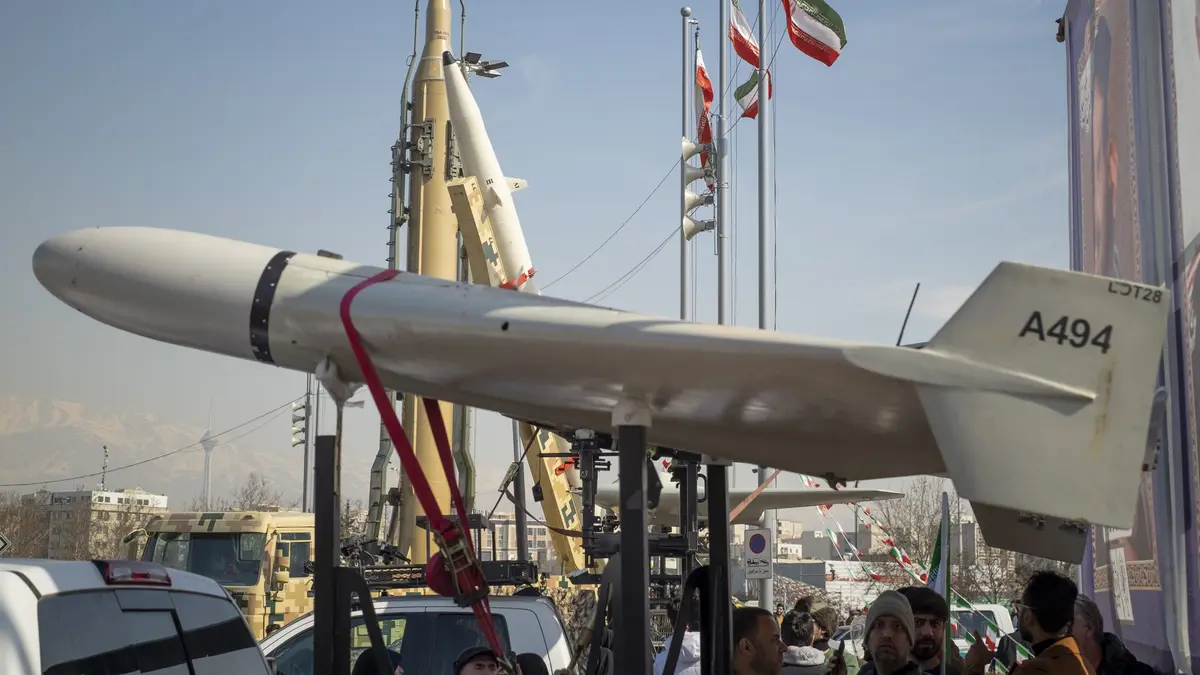
The Jordanian Army announced its success in neutralizing 22 Iranian missiles during the past week, a move that reflects the escalating tensions in the region. The army also reported that two missiles fell in the eastern part of the kingdom, raising questions about the security and political implications of these incidents.
These developments come at a sensitive time for the region, where fears are growing regarding the impact of Iranian military activities on regional security. The Jordanian Army indicated that these operations are part of its ongoing efforts to protect national borders and ensure the safety of citizens.
Details of the Incident
According to official data, the Iranian missiles were neutralized thanks to effective coordination between Jordanian Army units and intelligence agencies. Advanced technologies were employed to detect these missiles before they were launched, contributing to reducing potential risks to Jordanian territory.
The army also reported that the missiles that fell in the eastern part of the kingdom did not cause any human or material damage, reflecting the effectiveness of the measures taken to deal with these threats. This success is considered part of a comprehensive strategy to enhance Jordan's national security.
Background & Context
Historically, the region has witnessed increasing tensions due to Iranian military activities, which many countries view as a threat to regional security. These activities have intensified in recent years, prompting neighboring countries, including Jordan, to bolster their defensive capabilities.
In recent years, there have been several similar incidents where Iranian missiles were detected targeting areas close to the Jordanian border. These events reflect the security challenges facing the kingdom, especially amid the tense situations in Iraq and Syria.
Impact & Consequences
These incidents serve as a warning to neighboring countries about the necessity of enhancing security cooperation to confront common threats. The neutralization of these missiles reflects the Jordanian Army's ability to effectively address security challenges.
These developments are likely to increase tensions between Iran and Arab countries, necessitating a diplomatic response from the concerned governments. Additionally, these events may affect relations between Jordan and Iran, especially given the current political climate.
Regional Significance
The repercussions of these incidents extend beyond Jordan's borders, representing a part of a larger picture concerning regional security. The escalation of Iranian military activities could lead to increased divisions among Arab countries, highlighting the urgent need to unify efforts to confront common threats.
Under these circumstances, Arab countries must enhance security cooperation and share intelligence to ensure the safety of their territories and peoples. Regional security requires a collective response to address the growing challenges.
In conclusion, these events underscore the importance of strengthening the defensive capabilities of Jordan and neighboring countries in light of the increasing threats from Iranian military activities. Regional cooperation is the only way to ensure security and stability in the area.