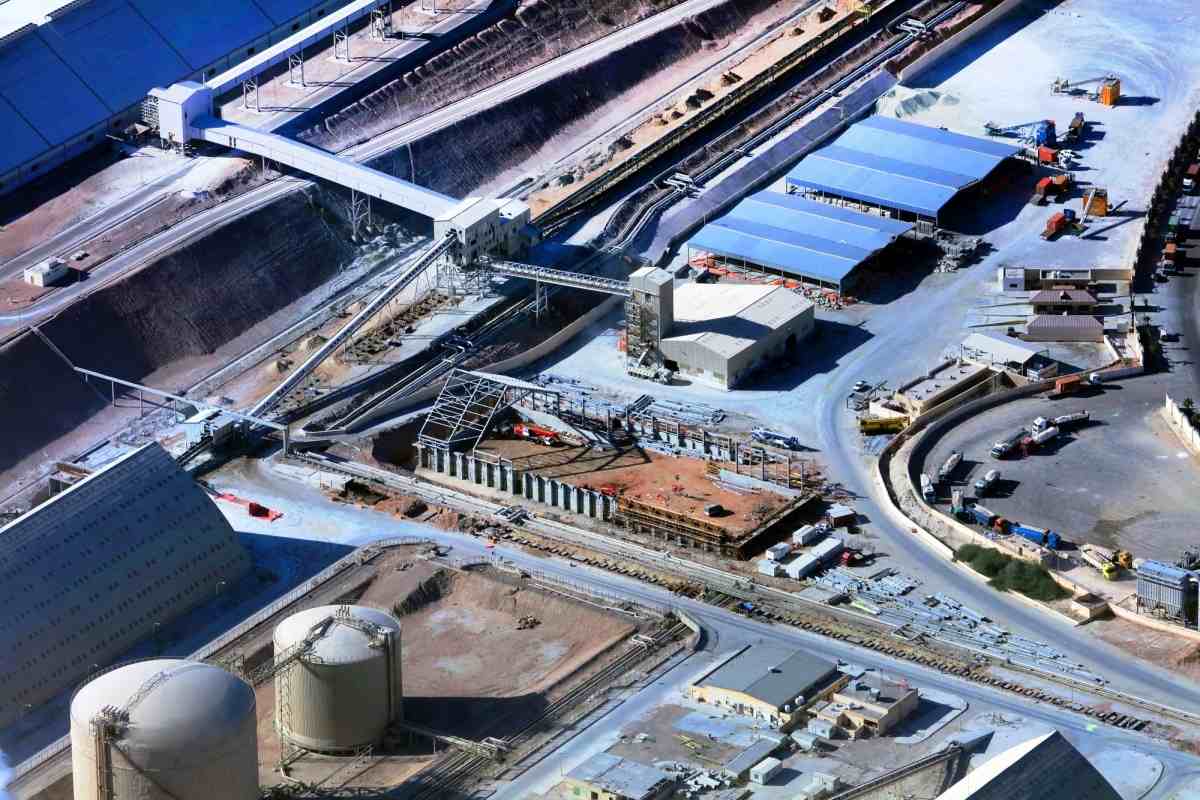
Jordanian authorities announced today their success in controlling cases of breathing difficulties reported in the city of Aqaba, confirming that there was no chemical leak in the area. This announcement came after a rapid response from emergency medical and security teams, who worked to treat the cases that emerged in the city.
Earlier, the operations room of the Jordanian public security received multiple reports about breathing difficulties among citizens, raising widespread concern in the city. Medical teams were immediately dispatched to the relevant locations to provide necessary first aid, with several affected individuals being transferred to nearby hospitals for treatment.
Details of the Incident
The Jordanian public security clarified that initial examinations conducted on the affected individuals showed no signs of exposure to toxic or chemical substances. Medical reports confirmed that the breathing difficulties were due to natural causes, such as high temperatures or air pollution, and not due to a chemical leak as circulated in some media outlets.
The public security also indicated that all necessary measures were taken to ensure the safety of citizens, including intensifying monitoring operations in the area. The spokesperson confirmed that the situation is under control and that medical teams are prepared to handle any emergency cases that may arise in the future.
Background & Context
The city of Aqaba is considered a vital area in Jordan, located on the Red Sea coast and serving as an important tourist and commercial hub. With the increasing number of visitors and residents, the need for monitoring air quality and public safety has grown. The city has witnessed several similar cases related to air pollution in recent years, necessitating ongoing preventive measures.
Historically, many coastal cities in the region have faced issues related to air pollution, impacting the health of residents. Therefore, any reports of chemical leaks can cause panic among citizens, prompting authorities to handle the situation with caution and transparency.
Impact & Consequences
This incident underscores the importance of a quick and effective response from security and medical agencies in Jordan. Swift handling of emergencies can mitigate the spread of panic and enhance trust between citizens and authorities. Additionally, transparency in dealing with information strengthens the government's ability to manage crises more effectively.
On the other hand, this incident could impact tourism in Aqaba, as any reports of abnormal health cases may lead to a decline in visitor numbers. Therefore, it is crucial for authorities to reassure both the local and international public regarding the safety of the area.
Regional Significance
Health and natural incidents are issues that affect many countries in the Arab region. Air pollution and rising temperatures have become major challenges facing large cities. Thus, Jordan's rapid response could serve as a model for other countries in the region.
In conclusion, this incident highlights the importance of cooperation between government entities and the local community in promoting health awareness and ensuring citizen safety. Effective responses and accurate information can play a crucial role in managing health crises in the future.