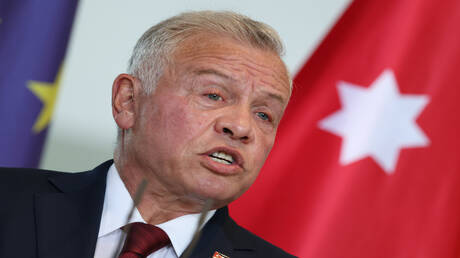
Jordan's King Abdullah II has declined Israeli Prime Minister Benjamin Netanyahu's request for a meeting between them, amid the tense situation surrounding Al-Aqsa Mosque. Israeli broadcasting authority reported that Netanyahu attempted several times to arrange this meeting, but these efforts were met with continuous rejection from the Jordanian side.
These developments come at a time when Palestinian territories are witnessing heightened tensions, especially following the closure of Al-Aqsa Mosque to worshippers. This closure has sparked angry reactions across the Arab world, where many consider it an assault on Islamic sanctities.
Details of the Event
In recent days, Netanyahu has increased his attempts to hold a meeting with King Abdullah II, as the Israeli Prime Minister seeks to strengthen relations with Jordan in light of the security and political challenges facing the region. However, the Jordanian monarch continues to reject these invitations in light of recent events concerning Al-Aqsa Mosque.
Al-Aqsa Mosque is considered one of the most important Islamic sanctities, and any actions related to its closure or restrictions on access raise widespread concern in the Islamic world. King Abdullah II has expressed his commitment to protecting Islamic sanctities in Jerusalem on several occasions, further complicating Jordanian-Israeli relations.
Background & Context
Historically, Jordanian-Israeli relations have been tense, particularly regarding the Palestinian issue. Jordan, which hosts a large number of Palestinian refugees, considers itself a custodian of Islamic sanctities in Jerusalem. While relations between the two countries have improved at times, recent events concerning Jerusalem and Islamic sanctities have resurfaced old tensions.
In recent years, tensions in the region have intensified, especially following the United States' recognition of Jerusalem as the capital of Israel. This decision sparked widespread anger in the Arab world and led to an escalation of protests against Israeli policies in Jerusalem.
Impact & Consequences
The rejection by King Abdullah II to meet with Netanyahu could have significant implications for Jordanian-Israeli relations. This refusal may exacerbate tensions between the two countries and increase distrust between the governments. Additionally, this stance could affect peace efforts in the region, as Jordan is a key player in any future negotiations concerning the Palestinian issue.
Moreover, the continued closure of Al-Aqsa Mosque may lead to an escalation of protests in Palestinian territories, which could negatively impact security and stability in the region. Many observers believe that any escalation in Jerusalem could lead to new confrontations between Palestinians and Israeli forces.
Regional Significance
The Palestinian issue and Islamic sanctities in Jerusalem are sensitive matters that affect relations between Arab countries and Israel. Any escalation in the situation surrounding Al-Aqsa Mosque could provoke strong reactions from Arab states and may bring the Palestinian issue back to the forefront of Arab and international attention.
In light of current events, Arab nations must adopt clear positions regarding what is happening in Jerusalem and work to support Palestinian rights against Israeli policies. There is also an urgent need to enhance Arab coordination in facing common challenges.
In conclusion, King Abdullah II's position remains an important pillar in supporting the Palestinian cause and reflects Jordan's commitment to protecting Islamic sanctities. The continuation of such stances may contribute to strengthening Arab and Islamic identity in the face of current challenges.