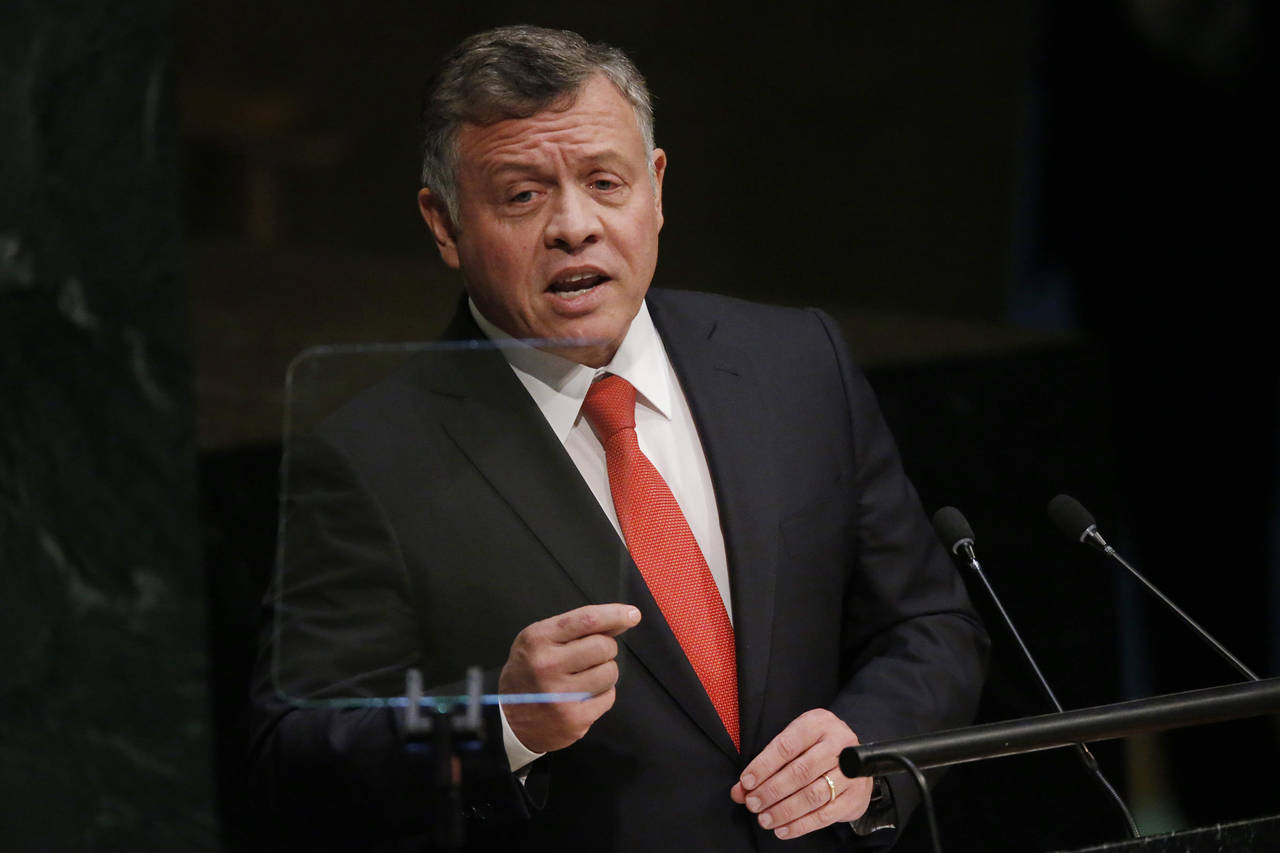
The Jordanian Parliament has announced its strong support for King Abdullah II's positions against Israeli occupation policies, highlighting the importance of these stances in promoting Palestinian rights. The members of parliament also emphasized their absolute rejection of the execution of Palestinian prisoners, considering these policies a blatant violation of human rights.
This declaration was made during a special parliamentary session, where the current situation in the Palestinian territories was discussed, particularly in light of the ongoing escalation by Israeli forces. The members affirmed that King Abdullah II's positions reflect Jordan's steadfast commitment to the Palestinian cause and its support for the legitimate rights of the Palestinian people.
Details of the Event
During the session, various issues related to the occupation were reviewed, with parliamentarians pointing out that the execution of Palestinian prisoners constitutes a crime against humanity. They also stressed the necessity for the international community to take effective steps to pressure the occupation to halt these violations.
The Jordanian Parliament, which represents the voice of the people, expressed its readiness to cooperate with all international and local entities to support the Palestinian cause. The members called for enhancing diplomatic efforts to achieve a just and comprehensive peace in the region.
Background & Context
Historically, Jordan has played a prominent role in supporting the Palestinian cause, hosting many Palestinian refugees and considering the Palestinian issue part of its national security. King Abdullah II has consistently emphasized the importance of a just and comprehensive solution to the Palestinian issue as a fundamental condition for achieving stability in the region.
In recent years, tensions between Palestinians and Israelis have escalated, especially with the continued Israeli settlement activity in the occupied territories. These conditions have prompted the Jordanian Parliament to adopt more stringent positions against the occupation, reflecting its concerns about the implications of these policies on regional security.
Impact & Consequences
The Jordanian Parliament's stance against the execution of prisoners is seen as an important step in promoting human rights in the region. These statements may lead to increased international pressure on the Israeli occupation, potentially contributing to some positive changes in Israeli policies.
Moreover, these positions reflect Arab unity in confronting the occupation, thereby strengthening Jordan's position on the international stage. The members emphasized the importance of coordination with other Arab countries to support the Palestinian cause.
Regional Significance
The Palestinian issue is one of the central issues in the Arab world, and any developments in it directly affect relations between Arab states. The Jordanian Parliament's positions may encourage other countries to adopt similar stances, thereby enhancing pressure on the Israeli occupation.
In light of these circumstances, hope remains pinned on the international community to play an effective role in ending the occupation and achieving just peace. Additionally, Jordan's support for the Palestinian cause serves as a model to be emulated in the region.