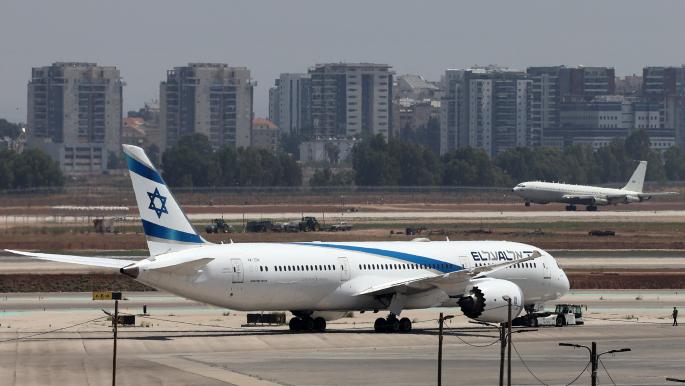
A change in Jordanian policies has isolated hundreds of Israelis in the coastal city of Aqaba, where they are stranded due to new restrictions that have impacted the operations of European charter flights operated by Israeli airline Arkia. This development comes at a sensitive time, as regional tensions are increasing and relations between Israel and its Arab neighbors are becoming more complicated.
Aqaba is considered one of the important tourist destinations for Israelis, with many traveling there to enjoy the beaches of the Red Sea. However, recent changes in Jordanian policies have complicated air travel, leaving many Israeli tourists in a precarious situation.
Details of the Incident
According to reports, the Israeli airline Arkia, which relied on European aircraft to transport tourists to Aqaba, has faced significant difficulties in obtaining the necessary permits to operate its flights. This has led to the cancellation of numerous flights, leaving hundreds of Israelis stranded in the city.
Sources indicate that Jordanian authorities have taken these steps as part of their efforts to enhance control over their airspace amid concerns about security threats. These measures are part of a broader policy aimed at reducing reliance on Israeli aviation and strengthening Jordanian sovereignty in the airspace.
Background & Context
Historically, relations between Jordan and Israel have been tense at times, despite the peace treaty signed between the two countries in 1994. In recent years, tensions have escalated due to Palestinian issues, affecting cooperation between the two sides in various fields, including tourism.
In recent years, Jordan has been working to enhance its foreign policy, seeking to improve its relations with other Arab countries and strengthen its position in the region. This trend may have long-term implications for Jordanian-Israeli relations, especially under the current circumstances.
Impact & Consequences
These developments represent a significant blow to Israeli tourism, as many Israelis rely on traveling to Aqaba as a preferred destination. The continuation of these restrictions could lead to a substantial decline in the number of Israeli tourists to Jordan, negatively impacting the Jordanian economy, which heavily relies on tourism.
Moreover, these events may escalate tensions between Jordan and Israel, potentially adversely affecting diplomatic relations between the two countries. Given the current circumstances, it may be challenging for both sides to overcome these obstacles, further complicating the regional situation.
Regional Significance
The repercussions of this event extend beyond Jordan's borders, potentially affecting relations between Arab countries and Israel in general. While some Arab nations are seeking to normalize relations with Israel, these events may reopen discussions about Arab-Israeli relations and raise questions about the feasibility of cooperation with a state facing increasing isolation.
Ultimately, the situation in the region remains complex, with political and economic interests intertwined with historical tensions. It may be necessary for Arab countries to adopt new strategies to address current challenges, including enhancing regional cooperation and improving relations with neighbors.