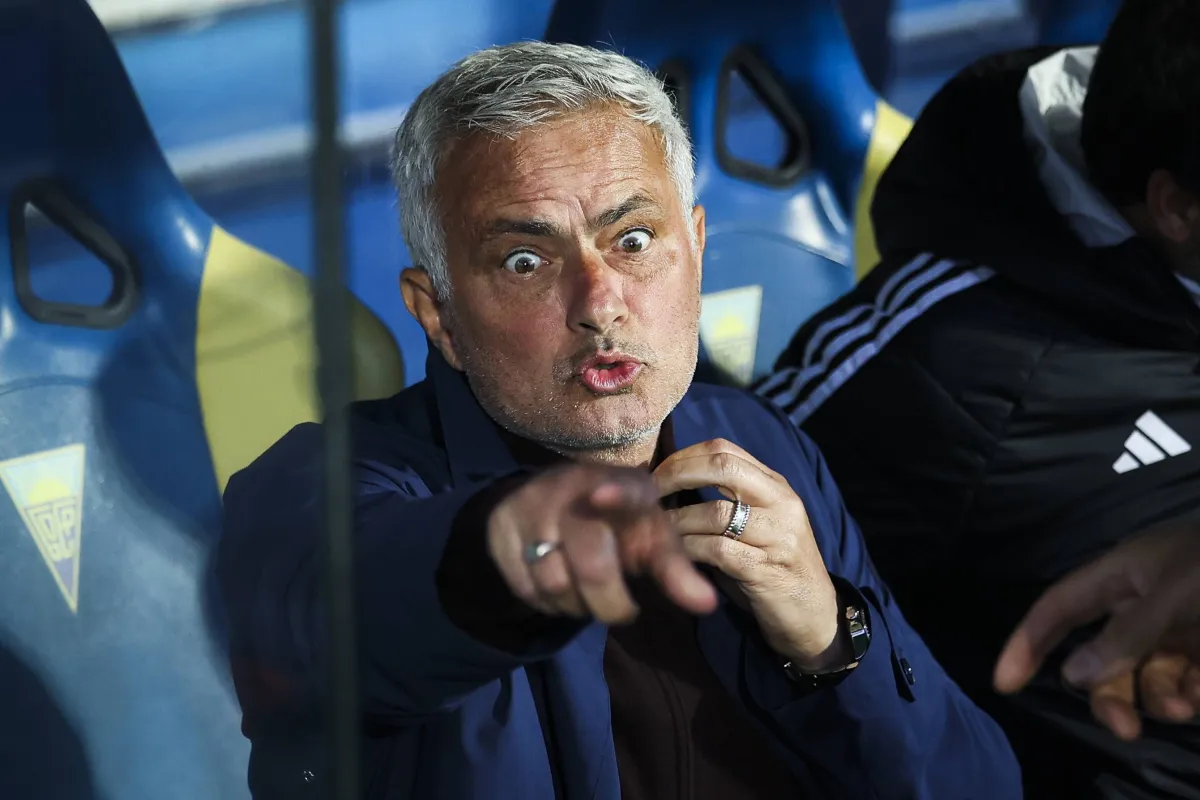
Reports have emerged that Portuguese coach Jose Mourinho, who is currently the head coach of Benfica, has agreed to return to manage his former club Real Madrid after a 13-year hiatus. This return comes at a critical time for the royal club, which is striving to regain its former glory in both domestic and European competitions.
The British news agency PA Media revealed that the 63-year-old Mourinho will succeed Spanish coach Alvaro Arbeloa, who took over after Xabi Alonso left for Chelsea. Arbeloa led the team to finish the season in second place in the Spanish League, 11 points behind champions Barcelona.
Details of the Event
Mourinho managed Real Madrid from 2010 to 2013, achieving numerous accolades, including winning the Spanish League title with a record-breaking 100 points and the Copa del Rey. His decision to return follows weeks of speculation about the possibility of him taking the helm again, amid club president Florentino Perez's desire to strengthen the team to compete against Barcelona, which has dominated the league in recent years.
Under pressure from fans demanding change, Perez's decision to hire Mourinho is seen as a strategic move aimed at returning the team to the podium, especially after their exit from the Champions League at the hands of Bayern Munich in the quarter-finals. Recently, the team's performance has declined, increasing pressure on the management.
Background & Context
Mourinho is one of the most prominent coaches in football history, leaving a significant mark on every club he has managed. After leaving Real Madrid, he moved to several clubs such as Chelsea and Manchester United, before taking the reins at Benfica. Meanwhile, Spanish football has seen intense competition between Real Madrid and Barcelona, with the latter winning the league title in 3 of the last 4 seasons.
It is worth noting that Real Madrid is experiencing a period of instability, having failed to secure any titles in the past two seasons, making Mourinho's return seem like an ideal solution to get the team back on track.
Impact & Consequences
Mourinho's return to Real Madrid could significantly influence the team's trajectory in the upcoming season. If he succeeds in rebuilding the team and improving its performance, the club may regain its status as one of the best in the world. Additionally, this return could attract new players, enhancing the team's strength in upcoming competitions.
On the other hand, the club's management may face new challenges if the desired results are not achieved, which could increase pressure on Mourinho and affect the team's stability. Therefore, the success of this return largely depends on the coach's ability to handle current challenges.
Regional Significance
Football is one of the most popular sports in the Arab world, and Mourinho's return to Real Madrid could spark interest among Arab fans who passionately follow the Spanish league. This return may lead to increased viewership and engagement with matches, reflecting the impact of football on culture and society in the region.
In conclusion, Mourinho's return to Real Madrid represents a potential turning point in the club's journey and may open new horizons for both fans and players alike.